US-Iran nuclear talks: JD Vance sets 60-day deadline for deal or collapse
Synopsis
Vice President JD Vance has put a 60-day clock on the most consequential US-Iran nuclear diplomacy in years — and made clear that Tehran gets nothing until it performs. With technical talks in Switzerland set for this weekend and billions in frozen assets on the line, the next two months could redefine the Middle East's security architecture or reset the maximum-pressure campaign.
Key Takeaways
Vice President JD Vance declared the 60-day countdown formally began on 18 June to convert a US-Iran memorandum of understanding into a final nuclear agreement.
Technical negotiations involving nuclear experts and diplomats are set to begin in Switzerland as early as this weekend.
Iran has reportedly committed to allowing inspections, eliminating highly enriched uranium stockpiles and accepting monitoring mechanisms.
Vance said no sanctions relief or frozen assets will be released until Iran demonstrates verified compliance.
Discussions will also cover long-term security arrangements in the Strait of Hormuz involving Iran, Oman and Gulf Arab states.
Congress will receive formal briefings shortly; the administration maintains it can temporarily ease sanctions without congressional approval .
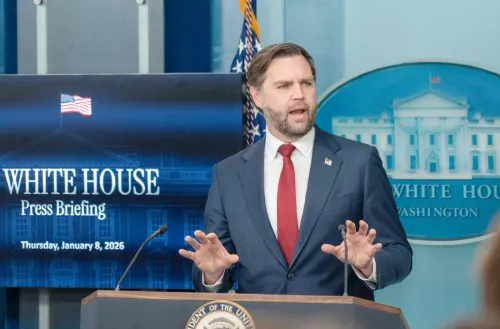
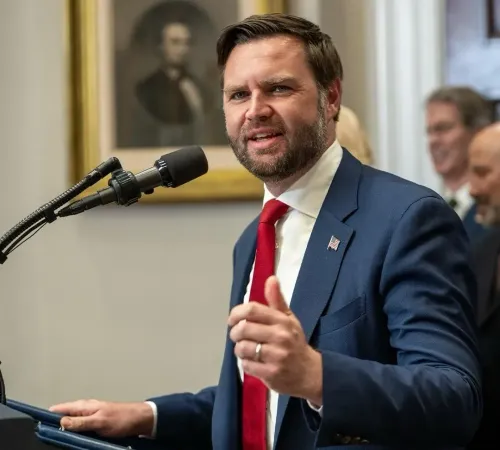
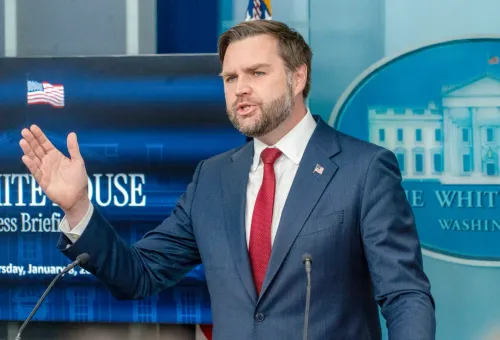
Vice President JD Vance on Thursday, 18 June declared that a 60-day countdown has formally begun to determine whether a newly signed US-Iran memorandum of understanding can be converted into a durable nuclear agreement — or whether it will collapse under the weight of decades of mutual distrust. Speaking at a White House press briefing, Vance offered the most detailed public account yet of how the Trump administration intends to move from a framework accord to a final settlement.
Technical Negotiations Move to Switzerland
The administration is shifting gears from broad political discussions to highly technical talks involving nuclear experts, diplomats and security officials. Vance said these negotiations are expected to begin in Switzerland as early as this weekend, focusing on implementation specifics rather than overarching political principles.
Key issues on the table include the disposal of highly enriched uranium stockpiles, verification mechanisms, inspection procedures and compliance benchmarks. 'How do you destroy this highly enriched uranium, all that stuff that you really just have to get into the nitty gritty on,' Vance said. He added that he personally plans to lead the US negotiating team, subject to coordination with Iranian officials.
Verification Over Trust
A dominant theme at the briefing was the administration's insistence that verified conduct — not written commitments — will determine whether Iran receives any economic relief. 'We don't trust words. We trust action, and we trust conduct,' Vance said.
According to Vance, Iran has committed to allowing inspections, eliminating highly enriched uranium stockpiles and accepting monitoring mechanisms designed to prevent the re-emergence of a nuclear weapons programme. 'They have promised not to enrich,' he said, while stressing that sanctions relief will follow only after measurable compliance. 'Words don't matter… we're about verification,' he added.
The administration's stated objective extends beyond halting current nuclear activities — it aims to ensure Iran cannot rebuild weapons-grade capacity 'many, many years from now.'
Congress Briefings and Legal Questions
Vance disclosed that lawmakers would shortly receive formal briefings on the memorandum, amid growing scrutiny from both Republican and Democratic legislators. He also defended the administration's authority to temporarily ease certain sanctions without congressional approval, saying, 'We feel quite confident that we can temporarily lift those sanctions without going to Congress.'
The legal question carries weight: any agreement that reshapes US policy toward Iran and the broader Middle East could require legislative ratification, and opposition lawmakers have already signalled they intend to assert oversight.
Economic Leverage and Frozen Assets
Vance firmly rejected suggestions that Tehran was receiving economic rewards ahead of demonstrated compliance. 'They don't get anything unless they change their behavior,' he said, adding that the United States retains substantial leverage through sanctions and frozen Iranian assets held abroad.
'We're not releasing a single dollar of that money until the Iranians perform,' he said, directly disputing reports claiming billions had already been freed. He described any future sanctions relief as incremental and reversible: 'As they dial up their good behavior, we can dial up the economic relief. If they dial down their good behavior, we can turn it off.'
Strait of Hormuz and Military Posture
Vance indicated that the broader negotiations will also address long-term security arrangements in the Strait of Hormuz, a critical global energy corridor. The memorandum reportedly envisions discussions among Iran, Oman and Gulf Arab states to establish a framework preventing future disruptions to international shipping. 'We don't ever want this to happen again,' he said, stressing that the US opposes any tolls on commercial traffic through international waterways.
On military posture, Vance said troop reductions would occur only after full Iranian compliance, and would apply to forces deployed during the crisis rather than longstanding US military positions across the Gulf. 'If they don't perform, every sanction will come back on,' he said. 'We've still got all the cards.'
The coming weeks will be closely watched across Europe, the Middle East and Asia, where governments have a direct stake in regional stability and the uninterrupted flow of oil through the Gulf. Whether the 60-day window produces a verifiable deal or a fresh breakdown will shape the geopolitical landscape well beyond Washington and Tehran.
Point of View
Yet the administration has not yet detailed what independent body will certify Iranian compliance, which is precisely where past agreements frayed. The Strait of Hormuz dimension is underreported: folding Gulf Arab states and Oman into a shipping-security framework alongside Iran would be a structural shift in regional architecture, not merely a nuclear side arrangement. If the technical talks in Switzerland stall — as they did repeatedly under previous administrations — the 60-day clock becomes a countdown to renewed maximum pressure, with oil markets and Asian economies caught in the crossfire.
NationPress
19 Sept 2026
Frequently Asked Questions
What is the US-Iran memorandum of understanding signed this week?
It is a framework accord between the United States and Iran, signed in the week of 18 June 2025, that sets out broad political commitments on Iran's nuclear activities and opens a 60-day window for technical negotiations to convert it into a final, verifiable agreement.
Why did JD Vance say the 60-day period started on 18 June?
Vance declared 18 June the formal start of the 60-day countdown at a White House press briefing, signalling that the Trump administration considers the memorandum signed and the clock running on Iran to demonstrate compliance in exchange for any economic relief.
Where will the technical US-Iran nuclear talks be held?
Vance said negotiations are expected to begin in Switzerland as early as the weekend of 21-22 June, shifting from political-level discussions to highly technical talks on uranium disposal, inspection procedures and compliance benchmarks.
Will Iran receive sanctions relief or frozen assets before complying?
No, according to Vance. He stated explicitly that the US will not release frozen Iranian assets or ease sanctions until Iran takes verified actions, including eliminating highly enriched uranium stockpiles and accepting intrusive inspections.
Does Congress need to approve the agreement?
The administration argues it can temporarily ease certain sanctions without congressional approval, though lawmakers from both parties have signalled they intend to assert oversight. Whether a final deal requires Senate ratification remains a live legal and political question.