Vance flies to Switzerland for Iran nuclear and Lebanon ceasefire talks
Synopsis
JD Vance boarded a smaller-than-usual aircraft at Joint Base Andrews on 21 June and flew to Switzerland for what could be the most consequential US-Iran diplomatic encounter in years — with Tehran's nuclear programme and a fragile Lebanon ceasefire both on the table, and the Vice President himself limited to just a day or two on the ground.
Key Takeaways
US Vice President JD Vance departed for Switzerland on 21 June for talks with Iranian negotiators.
The agenda covers Iran's nuclear programme and the fragile Lebanon ceasefire .
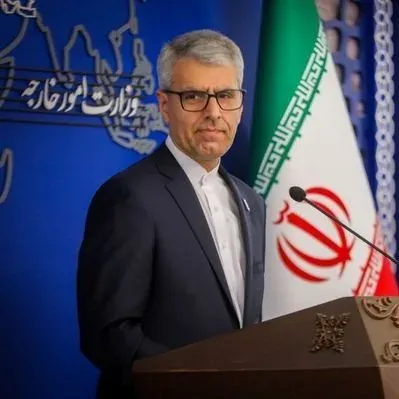
Meetings are expected near Lucerne ; Iranian negotiators were reportedly already on the ground.
Vance said his stay would be limited to 'a day or two' , with the immediate goal being to establish a negotiating framework.
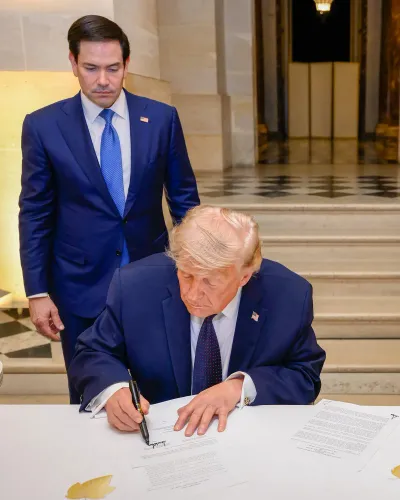
Secretary of State Marco Rubio was credited with managing Lebanon-related tensions ahead of the talks.
Renewed Israel-Hezbollah clashes remain a major concern and a parallel challenge to the diplomatic process.
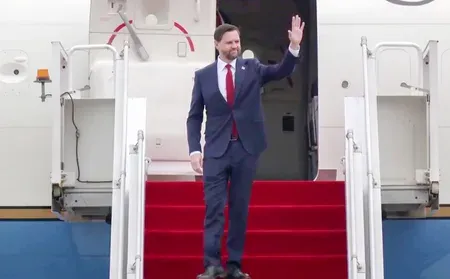
US Vice President JD Vance departed for Switzerland on 21 June to hold talks with Iranian negotiators, with Tehran's nuclear programme and a fragile Lebanon ceasefire topping the agenda. Vance left from Joint Base Andrews at 4:19 pm Eastern Time aboard a Gulfstream C-37, a smaller aircraft pressed into service because it was available more quickly than the Vice President's usual plane.
What Vance Said Before Departure
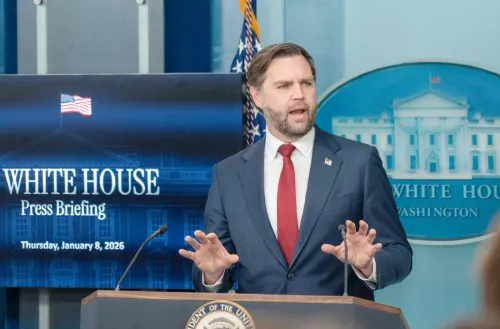
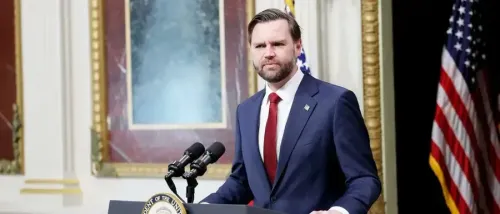
Speaking to reporters on the tarmac, Vance said Iranian negotiators had already arrived in Switzerland and that discussions were expected to run for several days. 'I think we're going to hopefully make progress on the nuclear issue, make progress on the Lebanon ceasefire issue. Those are the two big things that I think we're to be focused on. I'm sure the Iranians are going to have issues they'd like to discuss as well,' he said.
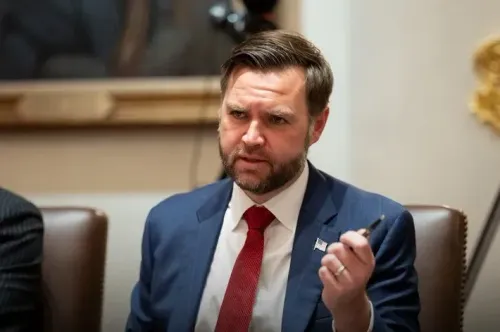
He framed his immediate goal as establishing a workable negotiating structure rather than clinching a final deal. 'I think number one, just getting things set up in the right way, and getting the actual structure and negotiation in place,' Vance said, adding that his own stay would be limited to 'a day or two.'
Lebanon Ceasefire: A Parallel Challenge
Renewed clashes between Israel and Hezbollah have repeatedly threatened to derail diplomatic momentum in recent weeks. Vance sought to project cautious optimism, saying: 'Despite the headlines, things are actually getting better there, and things are slowing down a little bit.'
He credited Secretary of State Marco Rubio and the broader diplomatic team with managing the situation, while acknowledging the difficulty of sustaining a ceasefire. 'The big problem is that you have somebody will shoot and then somebody will respond, and you kind of have a chicken and egg problem where you've just got to stop the shooting for long enough to get the ceasefire to keep hold,' he said.
Talks Near Lucerne: Structure and Stakes
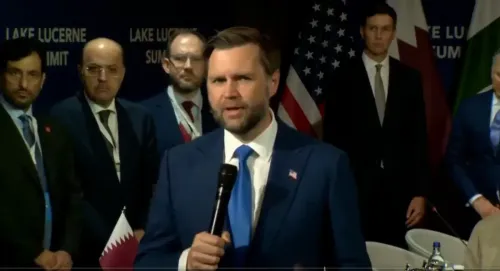
The Switzerland meetings are expected to take place near Lucerne and follow a delayed start to the US-Iran diplomatic track. Technical negotiators from multiple parties were reportedly already on the ground ahead of the Vice President's arrival. 'We'll have a couple days of talks to try to get this thing kicked off the right way. There's a lot to discuss, but we're going to get through it all,' Vance said.
Second Lady Usha Vance accompanied the Vice President on the trip.
What Comes Next
With Vance able to stay only briefly, the immediate objective is laying the groundwork for sustained technical negotiations rather than delivering a breakthrough. Washington's broader goal, as Vance described it, is regional stability — ensuring 'Israel and Lebanon are both safe and secure.' How much ground the two sides can cover on Iran's nuclear dossier in the opening sessions will determine whether the diplomatic track gains traction or stalls again.
Point of View
Low-profile departure — on a smaller aircraft, with a self-imposed two-day limit — signals that Washington is managing expectations carefully. The structural challenge is real: Iran's nuclear dossier and the Lebanon ceasefire are linked in Washington's calculus but are driven by entirely different actors and timelines. Hezbollah's trigger-pull is not controlled from Tehran's negotiating table, which means every flare-up in southern Lebanon can unwind whatever goodwill is built in a Swiss conference room. The fact that technical negotiators were already on the ground before Vance landed is the most substantively encouraging detail — it suggests the two sides have agreed, at minimum, on a process. Whether that process survives contact with the next round of cross-border fire is the real question.
NationPress
19 Sept 2026
Frequently Asked Questions
Why is JD Vance travelling to Switzerland?
Vance flew to Switzerland on 21 June to hold direct talks with Iranian negotiators on two issues: Iran's nuclear programme and the fragile Lebanon ceasefire. The meetings are expected to take place near Lucerne over several days.
What does the US hope to achieve from these Iran talks?
According to Vance, the immediate goal is to establish a workable negotiating structure and framework for future discussions, rather than to reach a final agreement. Progress on Iran's nuclear dossier and stabilising the Lebanon ceasefire are the two stated priorities.
What is the current situation in Lebanon?
Renewed clashes between Israel and Hezbollah have repeatedly threatened diplomatic momentum in recent weeks. Vance expressed cautious optimism, saying 'things are actually getting better there,' but acknowledged the ceasefire requires continuous management.
Who is leading US diplomacy on Lebanon alongside Vance?
Vance credited Secretary of State Marco Rubio and the broader US diplomatic team with managing the Lebanon situation. Vance himself said his stay in Switzerland would be limited to a day or two.
Why did Vance travel on a smaller aircraft?
Vance departed on a Gulfstream C-37, a smaller plane than the one typically used for vice-presidential travel. A spokesperson said it was chosen because it was available more quickly than the Vice President's usual aircraft.