Iran halts Switzerland talks after US threats derail four-party negotiations
Synopsis
Iran walked out of four-party Switzerland negotiations on 22 June after a Trump Truth Social warning threatened military strikes 'harder' than the previous week. The walkout came even as Vice President JD Vance was publicly claiming 'great progress' — exposing a dangerous gap between Washington's diplomatic and military postures at a moment of acute regional fragility.
Key Takeaways
Iran suspended participation in four-party talks in Switzerland on 22 June after a threatening US statement during the meeting.
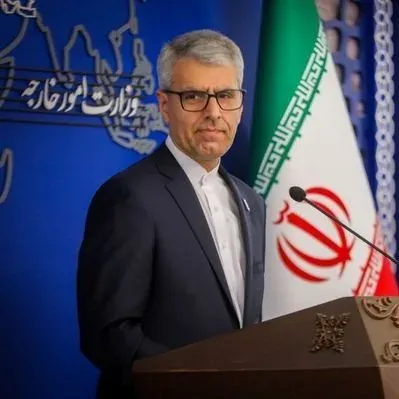
Foreign Ministry spokesperson Esmaeil Baqaei confirmed the walkout, citing trust breaches and Israel's alleged ceasefire violations in Lebanon.
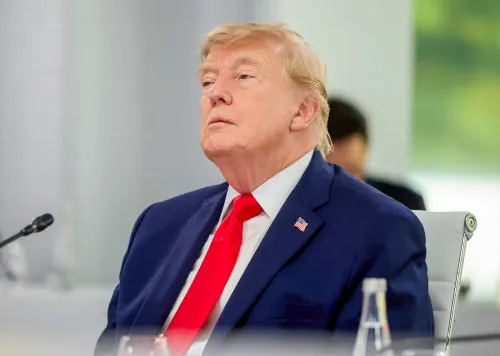
President Donald Trump warned on Truth Social that the US would 'hit Iran very hard again, only harder' if Tehran did not rein in its proxies in Lebanon.
Qatar and Pakistan , serving as mediating parties, attempted but failed to keep the talks alive.
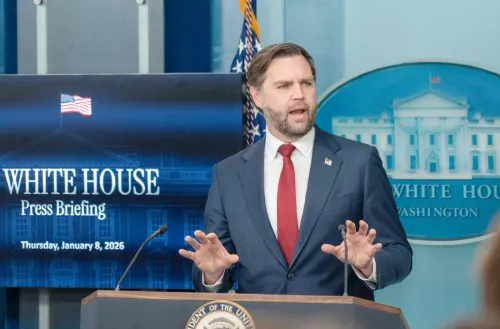
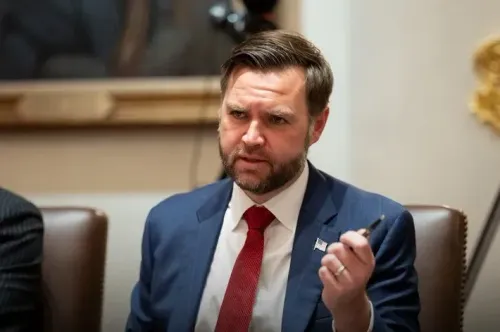
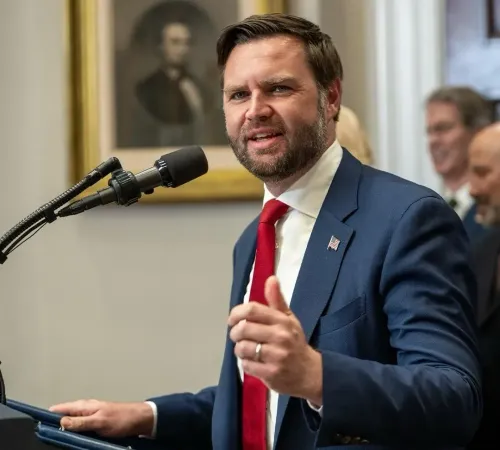
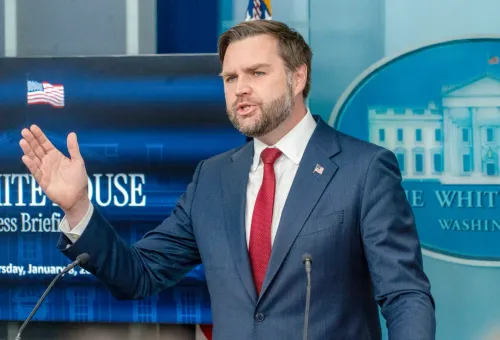
Before the suspension, Vice President JD Vance had described 'significant headway' on Iran's nuclear programme, the Strait of Hormuz , and the Lebanon ceasefire.
Talks had been held at the Burgenstock resort overlooking Lake Lucerne and reportedly extended past 1:14 am local time on Sunday night.
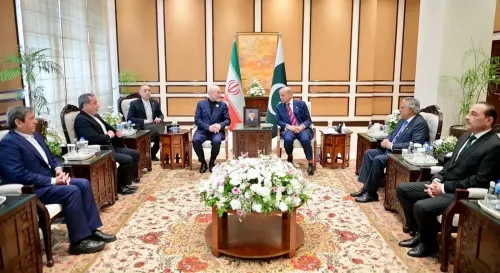
Iran suspended its participation in four-party negotiations involving the United States, Qatar, and Pakistan in Switzerland on 22 June, after a threatening statement from the US side prompted Tehran to declare it would not continue under such conditions, the Iranian Foreign Ministry announced. The walkout marks a sharp escalation in diplomatic tensions even as talks had reportedly been making early headway.
What Triggered the Walkout
Iranian Foreign Ministry spokesperson Esmaeil Baqaei confirmed that a threatening US statement made during the four-party meeting was the direct trigger for Tehran's decision to suspend participation. The Iranian delegation stressed the need to hold the other side accountable for fulfilling its commitments and raised concerns about a breach of trust — specifically citing Israel's ongoing violations of the ceasefire as a compounding factor.
Qatar and Pakistan, the two mediating parties, reportedly attempted to keep the dialogue alive, but Iran held firm in its refusal to continue under the prevailing conditions, according to reports.
Trump's Warning on Truth Social
The flashpoint came hours before the walkout, when US President Donald Trump issued a stark warning to Tehran via his social media platform Truth Social. 'Iran must immediately stop their highly paid PROXIES in Lebanon from causing trouble. If they don't, we'll hit Iran very hard again, just like we did last week, only harder!!!' Trump wrote.
The statement, issued on Sunday, came even as US officials were publicly expressing confidence that the Switzerland talks — initiated under Vice President JD Vance — were producing early progress on Iran's nuclear programme, the Strait of Hormuz, and the fragile ceasefire in Lebanon.
Progress That Was Reported Before the Break
Before the suspension, Vance had told reporters that negotiators had made 'significant headway' during the first day of talks at the Burgenstock resort overlooking Lake Lucerne. 'We've already made great progress over just the last few hours, and I expect that we'll make additional progress in the hours to come,' he said before entering the meeting.
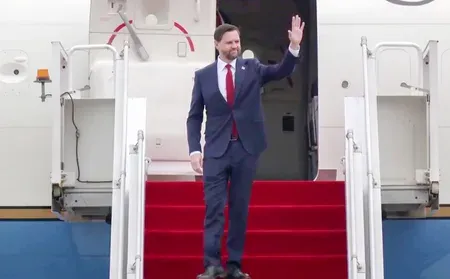
A senior US diplomat engaged in the negotiations later confirmed that the American delegation had been in continuous talks since Vance arrived in Switzerland. Discussions had reportedly extended late into the night on Sunday, with US officials saying talks remained 'active' well past 1:14 am local time.
Lebanon Ceasefire at the Centre of Tensions
A significant portion of the negotiations had focused on the security situation in Lebanon, where renewed fighting between Israel and Hezbollah has threatened to unravel broader regional diplomacy. 'We have also worked through deconfliction mechanisms and enforcing the ceasefire in southern Lebanon,' a senior US diplomat said.
Tehran's insistence on holding Washington accountable for Israel's alleged ceasefire violations signals that the Lebanon file — not just the nuclear question — is now a central sticking point in any path to an agreement.
What Happens Next
Iran's suspension of participation does not constitute a formal breakdown of negotiations, but it introduces significant uncertainty into a diplomatic process that had been described as fragile yet productive. Whether Qatar and Pakistan can bridge the gap between Tehran and Washington — and whether the US side moderates its public posture — will determine if talks can resume. The episode underscores how parallel military signalling and diplomatic engagement remain deeply at odds in the current US-Iran dynamic.
Point of View
Meaning any military escalation in one theatre immediately poisons progress in the other. Qatar and Pakistan's inability to hold the session together also signals the limits of third-party mediation when the principal parties are sending contradictory signals within hours of each other.
NationPress
20 Sept 2026
Frequently Asked Questions
Why did Iran halt the Switzerland talks on 22 June?
Iran suspended its participation after a threatening statement from the US side during the four-party meeting prompted Tehran to declare it would not continue under such conditions. The Iranian delegation also cited Israel's alleged violations of the Lebanon ceasefire as a breach of trust.
What did Donald Trump say that escalated tensions?
President Trump posted on his Truth Social platform warning that Iran must 'immediately stop their highly paid PROXIES in Lebanon from causing trouble,' threatening to 'hit Iran very hard again, just like we did last week, only harder.' The statement was issued even as negotiations were reportedly ongoing in Switzerland.
Who was involved in the four-party talks in Switzerland?
The negotiations involved the United States, Iran, Qatar, and Pakistan, held at the Burgenstock resort overlooking Lake Lucerne. Qatar and Pakistan were acting as mediating parties between Washington and Tehran.
What progress had been made before Iran's walkout?
Vice President JD Vance said negotiators had made 'significant headway' on Iran's nuclear programme, the Strait of Hormuz, and the Lebanon ceasefire during the first day of talks. US officials also said deconfliction mechanisms for southern Lebanon had been discussed before Iran suspended participation.
Does Iran's suspension mean the talks have collapsed entirely?
Not necessarily. Iran's move is a suspension, not a formal withdrawal from the negotiation process. Whether Qatar and Pakistan can bridge the gap and whether the US moderates its public posture will determine if talks resume. The situation remains fluid.