Vance's Iran talks trip to Switzerland delayed over logistics
Synopsis
The US-Iran nuclear deal's implementation phase has officially begun — but the American delegation can't get to the table yet. Vance's Switzerland trip was postponed on 19 June because Iran reportedly couldn't get its team out of the country in time, exposing the fragile logistics underpinning one of the most consequential diplomatic processes of 2025.
Key Takeaways
US Vice President JD Vance's departure for Iran nuclear talks in Switzerland was postponed on Thursday, 19 June .
The White House cited unresolved logistics, saying no new departure schedule had been set.
Vance said the 60-day implementation period under the memorandum of understanding officially began on 19 June .
Technical talks are expected to cover inspection procedures, verification mechanisms, and disposal of Iran's enriched uranium stockpile .
Vance confirmed he plans to lead the US negotiating team in Switzerland.
Both sides say they remain committed to beginning talks 'as soon as possible' .
US Vice President JD Vance's planned departure for technical nuclear negotiations with Iran was postponed on Thursday, 19 June, with the White House citing unresolved logistical hurdles — even as both sides said they remained committed to launching the next phase of talks under a recently signed memorandum of understanding.
What the White House Said
A White House spokesperson confirmed late Thursday that departure plans had not been finalised. 'As the Vice President said at his press conference, the plans for the upcoming technical talks have not been finalised, and the US delegation has been prepared to depart at the first available opportunity,' the spokesperson said. 'But the logistics of these negotiations have never been simple or predictable.'
The spokesperson added that no new departure schedule had been set, but officials remained focused on beginning the talks as soon as possible. 'We will let you know as soon as we have a concrete update about next steps,' the statement read.
Vance's Own Words on the Delay
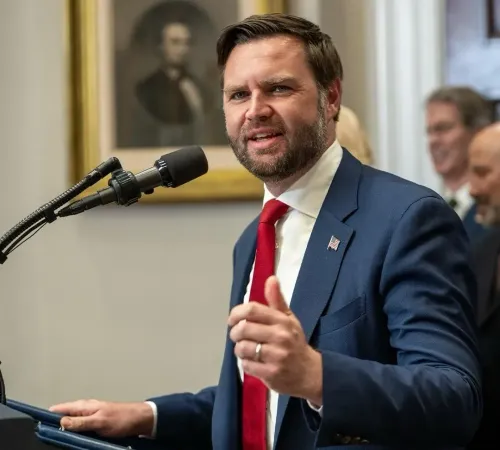
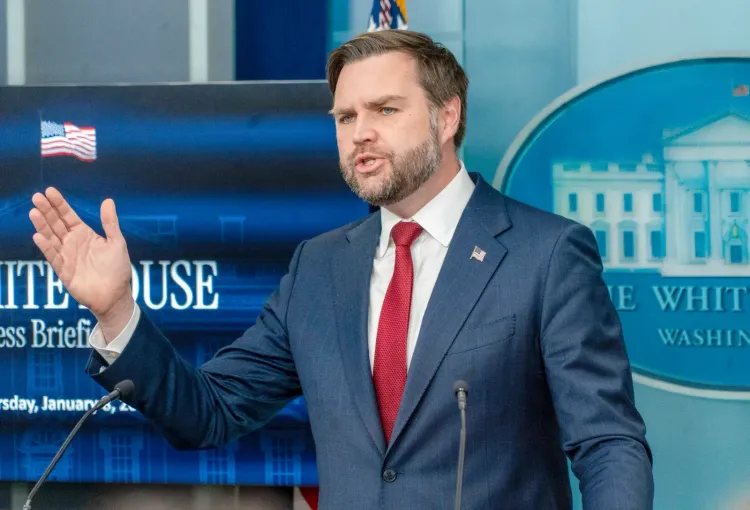
Earlier on Thursday, Vance had told reporters at a White House briefing that technical discussions were expected to begin within days, most likely in Switzerland. 'We think these technical negotiations are going to start sometime this weekend,' he said.
Acknowledging the difficulty of coordinating with the Iranian side, Vance said: 'Our plan is to go to Switzerland, I don't know exactly when. That could change because it's not an easy country, Iran, to get out of and so we're trying to figure out exactly when that's going to happen.'
When asked whether he would travel immediately, the vice president said: 'I may, it just depends on exactly when the Iranians can get there. We're trying to figure that out as we speak.' He confirmed he expects to lead the American delegation: 'I'm certainly planning to lead the US negotiating team.'
What the Talks Are Expected to Cover
The negotiations are focused on translating the political framework agreement into a workable implementation plan. Key agenda items reportedly include inspection procedures, verification mechanisms, and the disposal of Iran's enriched uranium stockpile.
Vance described the complexity of the task: 'How do you destroy this highly-enriched uranium — all that stuff that you really just have to get into the nitty gritty on.' The administration has signalled a trust-but-verify posture. 'We don't trust words. We trust action and we trust conduct,' Vance said.
The 60-Day Clock Begins
Vance indicated that the implementation window outlined in the agreement formally began on Thursday, 19 June. 'I would say the 60-day period officially started today,' he said — meaning both sides are now operating under a defined timeline to complete technical negotiations and demonstrate compliance.
This comes amid broader uncertainty over whether a durable agreement can be reached, with implementation details — particularly on uranium enrichment and international inspections — historically proving to be the most contentious elements in US-Iran nuclear diplomacy. Administration officials insist the negotiations remain on course despite the delay in Vance's departure.
Point of View
Not words' posture toward Tehran. Logistical snags at the outset of nuclear implementation talks are not unusual — but they do compress the window for the harder negotiations on enrichment caps and inspection access, which historically have derailed similar frameworks. The real question is whether the 60-day timeline is realistic given that the two sides have not yet even convened a technical session.
NationPress
18 Sept 2026
Frequently Asked Questions
Why was JD Vance's trip to Switzerland for Iran talks delayed?
Vance's departure was postponed on 19 June because the logistics of coordinating with the Iranian delegation had not been finalised. Vance himself noted that Iran is 'not an easy country to get out of,' suggesting the delay stemmed partly from difficulties in the Iranian side's travel arrangements.
When are the US-Iran technical talks expected to begin?
Vance said on Thursday that he expected talks to begin 'sometime this weekend,' most likely in Switzerland. The White House said it would provide a concrete update on next steps as soon as one was available.
What is the 60-day implementation period Vance referred to?
Vance said the 60-day implementation period outlined in the recently signed US-Iran memorandum of understanding officially began on 19 June. This window is intended for technical negotiations on inspection procedures, verification mechanisms, and the handling of Iran's enriched uranium stockpile.
What issues will the technical talks focus on?
The talks are expected to cover inspection procedures, verification mechanisms, and the disposal of Iran's highly-enriched uranium stockpile. Vance described these as the granular details — 'the nitty gritty' — that will determine whether the broader political framework agreement can be successfully implemented.
Who will lead the US delegation in the Iran talks?
Vance confirmed he plans to personally lead the American negotiating team. 'I'm certainly planning to lead the US negotiating team,' he told reporters at a White House briefing on Thursday.