US-Iran Switzerland talks postponed, says Swiss Foreign Ministry
Synopsis
Multilateral talks between the US, Iran, Qatar, and Pakistan — meant to move from a framework agreement to binding implementation details — have been postponed, with Switzerland confirming the delay and VP JD Vance's departure held back over unresolved logistics. No new date has been set, and both Washington and Bern say engagement continues.
Key Takeaways
Switzerland's Federal Department of Foreign Affairs confirmed on 19 June that planned talks between the US, Iran, Qatar, and Pakistan have been postponed.
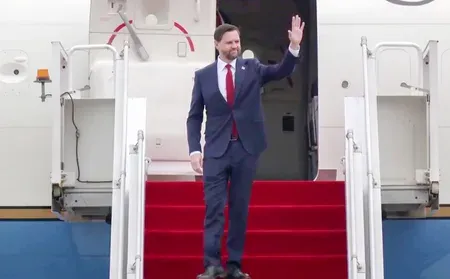
VP JD Vance's planned departure for technical negotiations was delayed late Thursday, with no revised schedule announced.
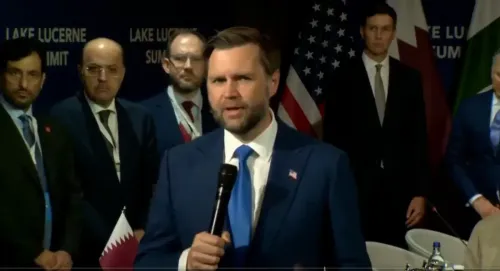
Preparatory work at Burgenstock, Switzerland is continuing, according to the Swiss statement.
The talks were designed to move from a political framework to detailed implementation, verification, and compliance negotiations.
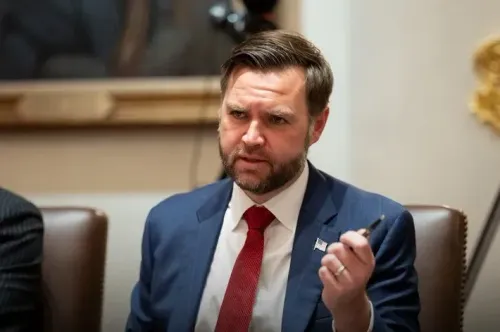
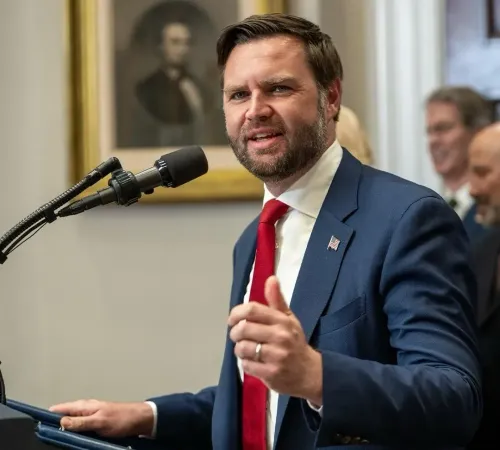
Vance confirmed he expects to lead the US delegation and said he 'trusts action, not words' in describing Washington's approach to Iran.
Planned multilateral talks between the United States, Iran, Qatar, and Pakistan have been postponed, Switzerland's Federal Department of Foreign Affairs confirmed on Friday, 19 June. The announcement came after the White House disclosed late Thursday that US Vice President JD Vance's planned departure for technical negotiations with Iran had been delayed, though both sides said preparations were continuing.
What Switzerland Said
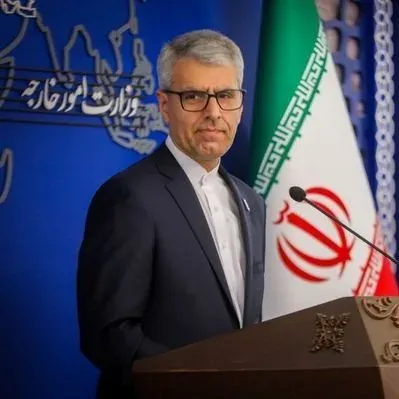
In an official statement, Switzerland's Federal Department of Foreign Affairs said: 'The planned talks between the US, Iran, Qatar and Pakistan have been postponed. Switzerland remains ready to facilitate these talks. The relevant preparatory work at Burgenstock is continuing. No further information can be provided at present.'
The Swiss statement underscored Bern's continued role as a neutral facilitator, even as the timeline for the next round of diplomacy remains unresolved.
What the White House Said
A White House spokesperson confirmed late Thursday that Vice President Vance would not be departing that night, citing unresolved logistics. 'As the Vice President said at his press conference, the plans for the upcoming technical talks have not been finalised, and the US delegation has been prepared to depart at the first available opportunity,' the spokesperson said.
'But the logistics of these negotiations have never been simple or predictable,' the spokesperson added. The White House did not announce a revised departure schedule, but said officials remained committed to beginning negotiations 'as soon as possible.'
What Vance Said Earlier
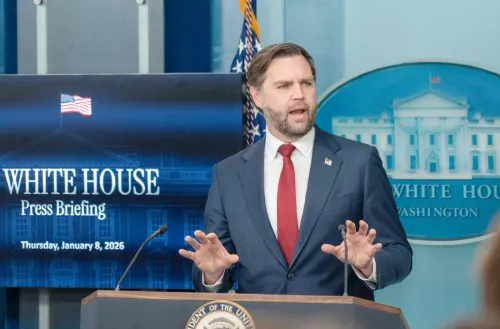
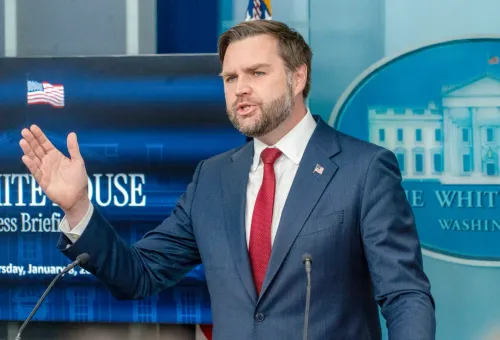
Earlier on Thursday, Vance had told reporters at a White House briefing that technical discussions were still expected to begin within days and would likely be held in Switzerland. 'We think these technical negotiations are going to start sometime this weekend,' he said.
Vance acknowledged the difficulty of coordinating with Tehran. 'Our plan is to go to Switzerland, I don't know exactly when,' he said. 'That could change because it's not an easy country, Iran, to get out of and so we're trying to figure out exactly when that's going to happen.' He confirmed he expects to lead the American delegation: 'I'm certainly planning to lead the US negotiating team.'
What the Talks Were Meant to Cover
The proposed discussions were intended to move beyond the political framework agreement already reportedly in place, shifting to detailed negotiations on implementation, verification, and compliance. The Trump administration has consistently framed implementation as the true test of any deal with Iran. 'We don't trust words. We trust action and we trust conduct,' Vance said, describing Washington's posture heading into the next phase.
This comes amid broader diplomatic efforts to bring Iran's nuclear programme under verifiable constraints, with Qatar and Pakistan playing supporting roles as interlocutors. No new date for the talks has been announced; both sides say they remain engaged.
Point of View
While framed as a logistical hiccup, exposes the structural difficulty of converting a political memorandum of understanding into binding implementation language — historically the hardest part of any Iran nuclear negotiation. The inclusion of Qatar and Pakistan as parties is itself notable and underreported: it signals a regional architecture around any eventual deal, not just a bilateral US-Iran arrangement. Vance's 'we trust action, not words' framing is a deliberate echo of the Trump administration's maximum-pressure posture, and it sets a high bar for what Tehran will need to demonstrate before Washington considers the next phase successful. The real question is whether the delay reflects Iranian hesitation on verification terms — something the White House has conspicuously not addressed.
NationPress
19 Sept 2026
Frequently Asked Questions
Why were the US-Iran talks in Switzerland postponed?
Switzerland's Federal Department of Foreign Affairs confirmed on 19 June that the talks between the US, Iran, Qatar, and Pakistan have been postponed, citing no specific reason and saying no further information could be provided. The White House separately said logistics had not been finalised and that VP JD Vance would not depart as originally planned.
What were the Switzerland talks supposed to cover?
The talks were intended to move beyond the existing political framework agreement between the US and Iran, shifting to detailed negotiations on implementation, verification, and compliance. They represented the next phase of diplomacy aimed at constraining Iran's nuclear programme.
Will the talks still happen?
Both the White House and Switzerland's Foreign Ministry have said preparations are continuing and both sides remain committed to beginning technical talks as soon as possible. No new date has been announced.
What role does Switzerland play in US-Iran diplomacy?
Switzerland acts as a neutral facilitator for US-Iran talks, a role rooted in its longstanding position as a protecting power for US interests in Iran. Preparatory work for the latest round was being conducted at Burgenstock, Switzerland.
Who is leading the US delegation?
Vice President JD Vance confirmed he is planning to lead the US negotiating team. He said the delegation was 'prepared to depart at the first available opportunity' once logistics with the Iranian side are resolved.