Vance reports 'great progress' in Iran nuclear talks at Burgenstock
Synopsis
With Iranian Foreign Minister Araghchi and Parliament Speaker Ghalibaf in the room and Qatar and Pakistan acting as facilitators, the Burgenstock summit represents one of the most structured US-Iran diplomatic engagements in years — and Vance's public optimism before the session even formally began is a signal worth watching.
Key Takeaways
US Vice President JD Vance declared 'great progress' in Iran nuclear talks at Burgenstock, Switzerland on 21 June .
Closed-door talks between US and Iranian delegations began at 3:09 p.m. local time .
Qatar and Pakistan participated as facilitators.
Iranian Foreign Minister Abbas Araghchi and Parliament Speaker Mohammad Bagher Ghalibaf led the Iranian side.
Talks are expected to cover Iran's nuclear programme and efforts to preserve a Lebanon ceasefire .
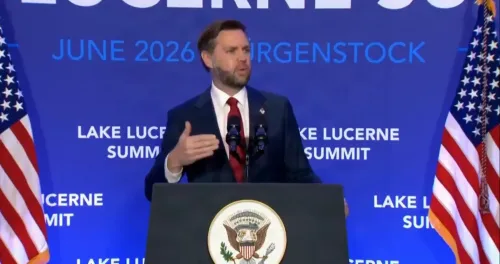
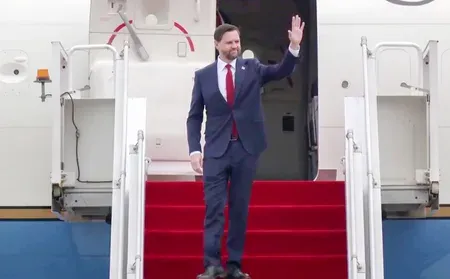
US Vice President JD Vance on Sunday, 21 June declared that negotiators had made 'great progress' in high-stakes talks with Iran at the Burgenstock resort in Switzerland, overlooking Lake Lucerne, expressing confidence that further advances were imminent as senior delegations convened to discuss Tehran's nuclear programme and broader regional security concerns.
Talks Begin at Burgenstock
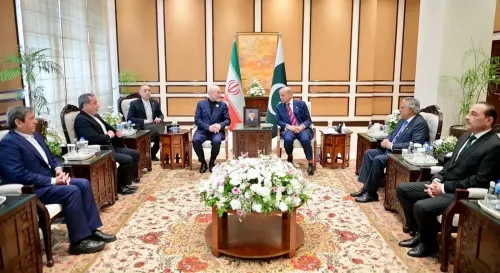
Delegations from the United States and Iran entered closed-door discussions at the resort at 3:09 p.m. local time, according to a spokesperson for the Vice President. Representatives from Qatar and Pakistan also participated as facilitators — a notable configuration that signals the diplomatic weight being placed on this round of engagement.
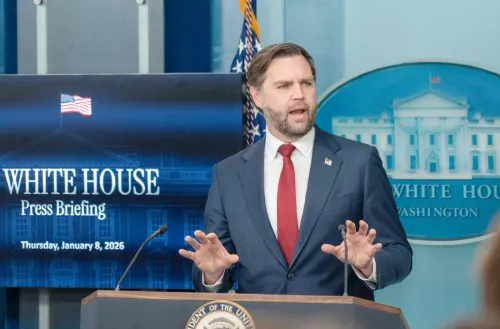
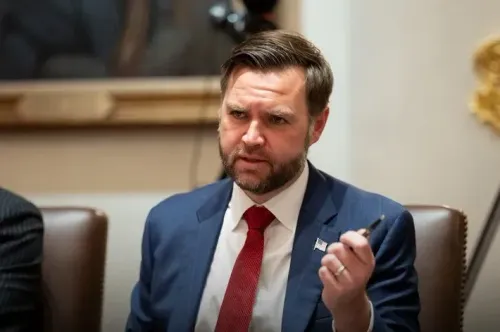
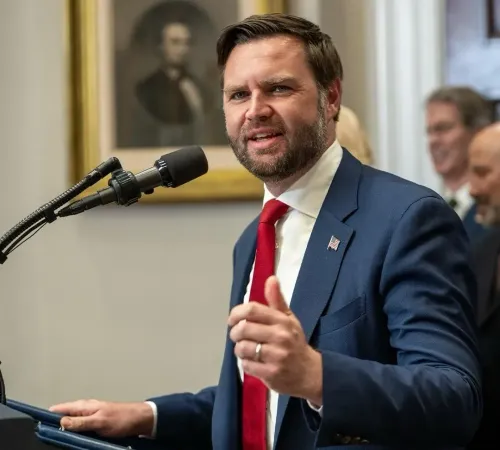
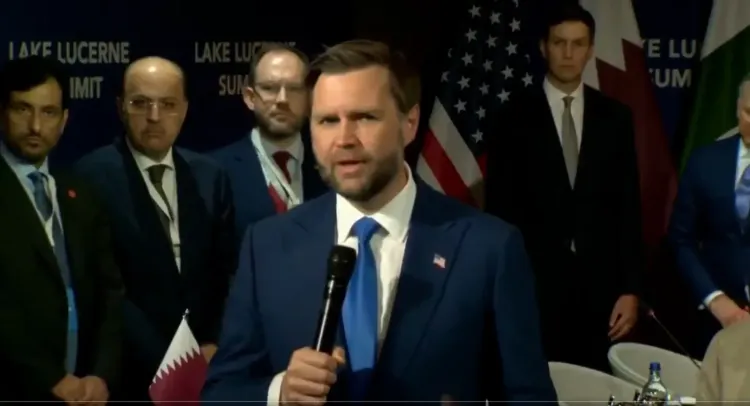
Before the formal session began, Vance addressed reporters in an optimistic register. 'We've already made great progress over just the last few hours, and I expect that we'll make additional progress in the hours to come,' he said.
Lebanon Ceasefire Also on the Agenda
Vance also addressed renewed fighting in Lebanon, which has complicated broader diplomatic efforts in the region. Asked whether he had a message for Israeli Prime Minister Benjamin Netanyahu regarding Israel's military operations there, Vance said the situation was moving in a positive direction, while acknowledging residual difficulties.
'There, of course, are going to be sometimes disagreements about precisely how to get there, but I actually feel great about where we are in Lebanon. There's still some additional wood to chop, but we're going to keep on working,' he said.
Responding to questions about allegations of genocide in Lebanon, Vance defended Washington's role. 'I think that the President of the United States and the United States of America have done more to stop the conflict in Lebanon than any government anywhere in the world over the last few months, and we're gonna keep on working towards it. As I think a lot of you appreciate, peace is never easy,' he said.
Iranian Delegation Arrives
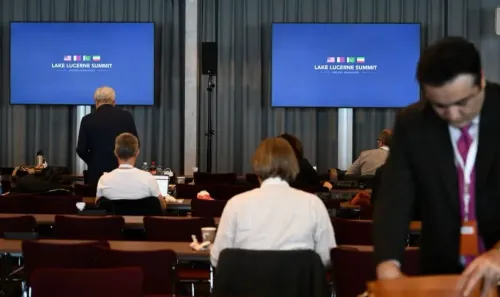
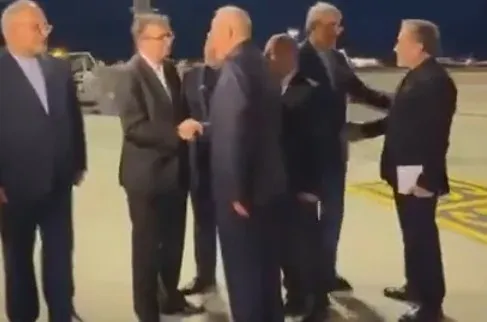
Reporters were ushered out before the Iranian delegation formally entered the room. Iranian Foreign Minister Abbas Araghchi and Iranian Parliament Speaker Mohammad Bagher Ghalibaf were subsequently seen walking towards the meeting venue, which carried repeated 'Lake Lucerne Summit' branding on backdrop panels surrounding the delegations.
What the Talks Could Decide
The discussions are expected to centre primarily on Iran's nuclear programme, while also covering regional security matters — including efforts to preserve a fragile ceasefire in Lebanon. The outcome is being closely monitored across the Middle East and by international partners seeking to prevent a wider regional conflict. This comes amid a period of acute diplomatic pressure, with multiple flashpoints — from the Iran nuclear file to the Lebanon front — converging simultaneously. The involvement of Qatar and Pakistan as facilitators underscores how critical back-channel diplomacy has become to any prospective agreement.
Point of View
Suggesting Washington may be managing domestic expectations as much as Iranian ones. The presence of both Qatar and Pakistan as facilitators reflects how fractured the direct US-Iran channel remains; neither side is yet willing to be seen as the other's direct interlocutor. Lebanon's insertion into the agenda adds a layer of complexity: linking the nuclear file to a live military conflict risks either broadening the deal's scope or collapsing it under the weight of unresolved grievances. The real test will be whether the 'great progress' Vance cited translates into verifiable commitments — or remains a holding statement for a process that has repeatedly stalled.
NationPress
20 Sept 2026
Frequently Asked Questions
What are the Burgenstock Iran nuclear talks about?
The talks at the Burgenstock resort in Switzerland on 21 June involve US and Iranian delegations discussing Tehran's nuclear programme and regional security issues, including efforts to maintain a ceasefire in Lebanon. Qatar and Pakistan are participating as facilitators.
What did JD Vance say about progress in the Iran talks?
Vance told reporters that negotiators had already made 'great progress over just the last few hours' and expressed confidence that further advances would be achieved in the hours ahead. He made the remarks before the formal session began.
Who represented Iran at the Burgenstock summit?
Iranian Foreign Minister Abbas Araghchi and Iranian Parliament Speaker Mohammad Bagher Ghalibaf led the Iranian delegation, and were seen walking towards the meeting room after reporters were ushered out.
Why are Qatar and Pakistan involved in US-Iran talks?
Qatar and Pakistan participated as facilitators, reflecting the absence of direct diplomatic channels between Washington and Tehran and the need for trusted intermediaries to bridge communication between the two sides.
What is the significance of the Lebanon issue in these talks?
Renewed fighting in Lebanon has threatened broader diplomatic efforts in the region. Vance addressed the situation directly, saying the US had done more than any other government to stop the conflict, while acknowledging that some difficulties remained.