Iran delegation arrives in Switzerland for US nuclear talks at Burgenstock
Synopsis
An Iranian delegation codenamed 'Minab 168' has landed in Switzerland for face-to-face talks with the US at the Burgenstock resort — the same venue that hosted Ukraine peace negotiations in 2024. With JD Vance personally flying in and two explosive issues on the table — Iran's nuclear programme and Lebanon's fragile ceasefire — the next few days could define the trajectory of Middle East diplomacy.
Key Takeaways
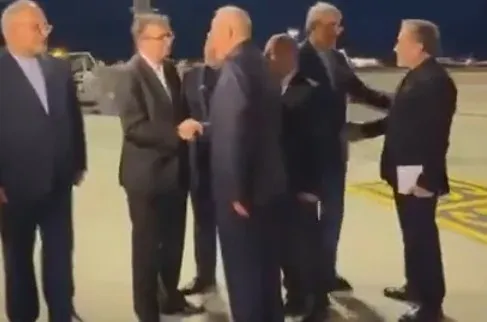
An Iranian delegation arrived in Switzerland on 21 June for talks with the United States at the Burgenstock resort near Lucerne.
The talks are part of implementing a Memorandum of Understanding (MoU) already signed between Washington and Tehran.
Iran's state-run IRIB TV identified the negotiating team by the codename 'Minab 168' .
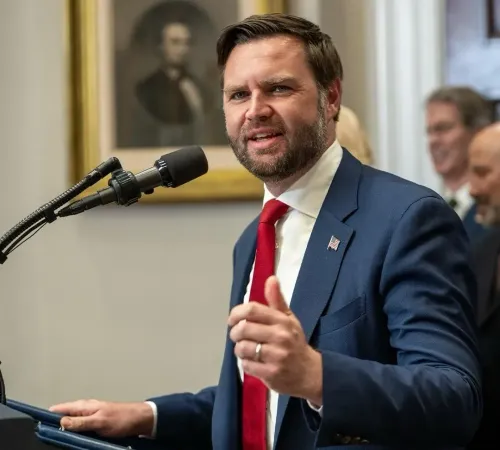
US Vice President JD Vance departed Joint Base Andrews at 4:19 pm Eastern Time to join the talks.
The two primary agenda items are Iran's nuclear programme and the Lebanon ceasefire .
The initial talks had been postponed from Friday ; discussions are expected to last several days.
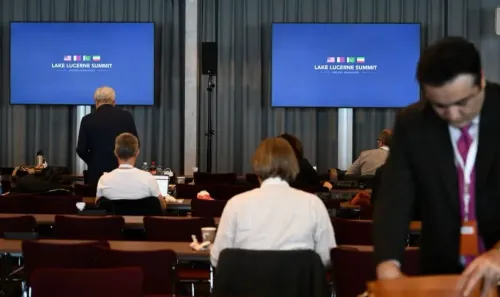
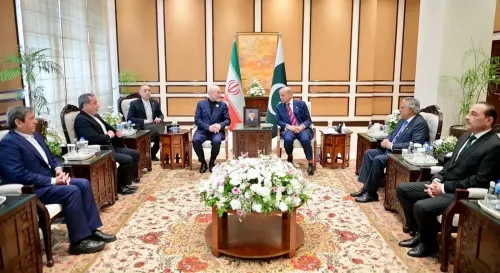
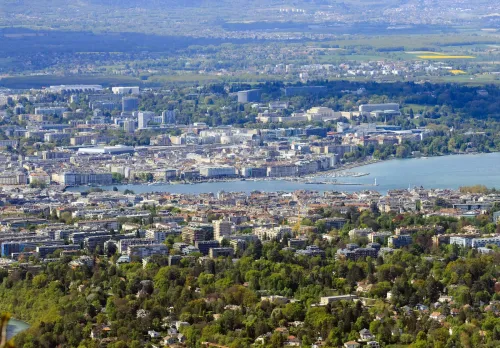
An Iranian delegation landed in Switzerland late on Saturday, 21 June, heading to the Burgenstock resort near Lucerne for high-stakes talks with the United States aimed at halting the Middle East conflict and advancing negotiations on Tehran's nuclear programme. The Swiss foreign ministry confirmed the arrival, calling the discussions part of the implementation of a Memorandum of Understanding (MoU) already signed between Washington and Tehran.
Swiss Confirmation and Delegation Details
'We welcome the arrival of the Iranian delegation in Switzerland,' the Swiss foreign ministry said in a post on X, adding that the delegation was en route to the Burgenstock resort. Iran's state-run IRIB TV identified the negotiating team by the codename 'Minab 168'. Switzerland reiterated its role as a facilitator, describing itself as providing a 'discreet and reliable setting' for the diplomatic process.
JD Vance Departs for Switzerland
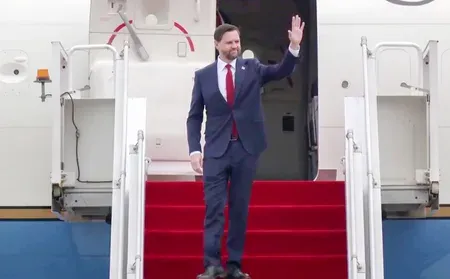
US Vice President JD Vance departed for Switzerland aboard a Gulfstream C-37 — a smaller aircraft than the one typically used for vice-presidential travel — at 4:19 pm Eastern Time from Joint Base Andrews. A spokesman said the aircraft was chosen because it was available more quickly than the Vice President's usual plane. Second Lady Usha Vance accompanied him on the trip.
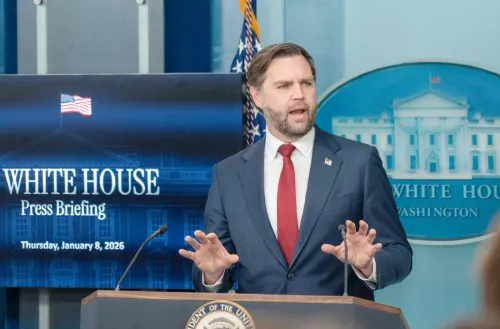
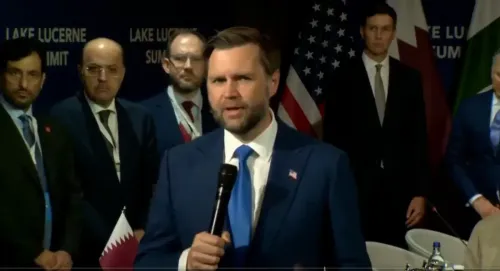
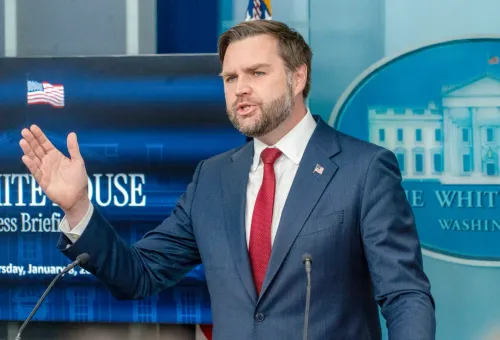
Speaking to reporters before boarding, Vance outlined the two primary objectives: 'I think we're going to hopefully make progress on the nuclear issue, make progress on the Lebanon ceasefire issue. Those are the two big things that I think we're to be focused on. I'm sure the Iranians are going to have issues they'd like to discuss as well,' he said. Vance also noted that technical negotiators from multiple parties were already on the ground ahead of the formal meetings.
Delayed Start and Diplomatic Background
The initial round of implementation talks had been scheduled for Friday but was postponed, adding to the fragility of the diplomatic process. The Burgenstock meetings represent an early, critical test of whether the US-Iran MoU — described as an interim peace framework — can be translated into durable agreements. This comes amid renewed violence in the region that, according to Vance, threatens to complicate broader diplomatic efforts.
What Is at Stake
Two issues dominate the agenda: Iran's nuclear programme and a fragile ceasefire in Lebanon. Vance expressed cautious optimism, though he acknowledged discussions could extend over several days. Notably, Switzerland has historically served as a neutral back-channel between Washington and Tehran, given the absence of formal diplomatic ties between the two countries. The choice of Burgenstock — the same resort that hosted Ukraine peace talks in 2024 — underscores the diplomatic weight attached to these negotiations.
What Comes Next
Talks are expected to continue over multiple days, with technical working groups already engaged. The outcome will be closely watched by regional actors including Israel, Saudi Arabia, and Lebanon, all of whom have direct stakes in both the nuclear question and the Lebanon ceasefire. Any progress — or breakdown — is likely to reverberate swiftly across Middle East diplomacy.
Point of View
Giving both Washington and Tehran political cover at home while leaving the hardest questions — uranium enrichment caps, inspection regimes, sanctions relief sequencing — for later rounds. Vance's personal presence raises the stakes but also the risk: if talks stall, the political cost falls on the White House directly. The Lebanon ceasefire thread is the more volatile variable; renewed ground violence could collapse the diplomatic architecture before the nuclear track even gets traction.
NationPress
19 Sept 2026
Frequently Asked Questions
What are the US-Iran talks in Switzerland about?
The talks at the Burgenstock resort focus on implementing a Memorandum of Understanding already signed between the United States and Iran, with the two primary agenda items being Iran's nuclear programme and a fragile ceasefire in Lebanon. Discussions are expected to last several days.
Why is Switzerland hosting the US-Iran negotiations?
Switzerland has historically served as a neutral diplomatic back-channel between Washington and Tehran, given the absence of formal diplomatic relations between the two countries. The Swiss foreign ministry described its role as providing a 'discreet and reliable setting' for the talks.
Who is representing the US at the Burgenstock talks?
US Vice President JD Vance travelled to Switzerland personally to participate in the negotiations, departing Joint Base Andrews at 4:19 pm Eastern Time on 21 June. He noted that technical negotiators from multiple parties were already on the ground ahead of the formal meetings.
What is the Iranian delegation's codename and who confirmed its arrival?
Iran's state-run IRIB TV identified the negotiating team by the codename 'Minab 168'. The Swiss foreign ministry separately confirmed the delegation's arrival in a post on X, welcoming them to Switzerland.
Why were the talks delayed from their original schedule?
The initial round of talks had been scheduled for Friday but was postponed, adding uncertainty to the diplomatic process. No official reason for the delay was publicly stated; the talks eventually began after the Iranian delegation arrived late Saturday.