Iran-US talks yield nuclear, maritime and ceasefire deals: Vance
Synopsis
The US-Iran talks in Switzerland have yielded more than diplomatic optics — Vance is claiming concrete deliverables: nuclear inspectors back in Iran, a ceasefire enforcement mechanism with Israeli and Gulf Arab buy-in, and a Qatar-supervised framework for frozen funds. Whether Tehran follows through is the only question that matters now.
Key Takeaways
US Vice President JD Vance confirmed agreements on maritime security , regional ceasefire enforcement , and nuclear inspections following talks in Switzerland on 22 June .
Iran has agreed to allow nuclear inspectors into the country ‘for the first time in a long time,’ according to Vance.
Approximately 15 million barrels of oil have moved through reopened shipping lanes, contributing to lower global oil prices.
Qatar will oversee a mechanism governing the release of frozen Iranian funds , contingent on continued negotiating progress.
Both US and Iranian negotiating teams remained in Switzerland to continue technical-level discussions.
The Trump administration has stated it will judge Iran by actions, not promises, with verification central to next steps.
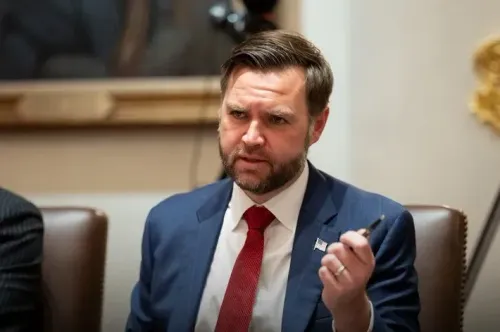
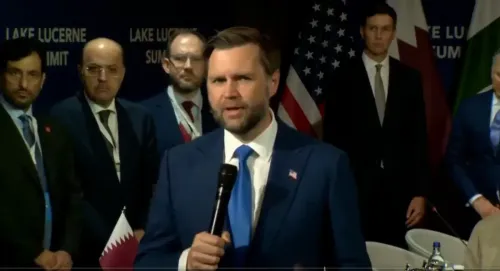
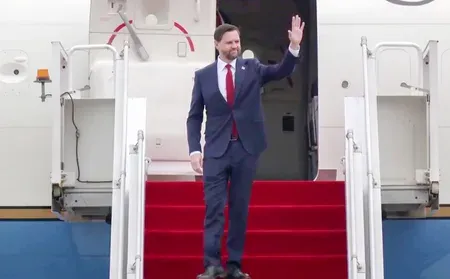
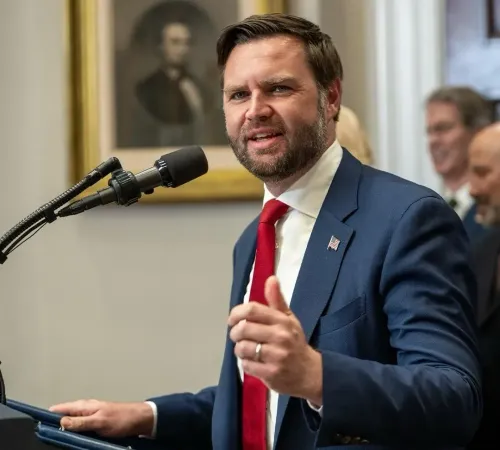
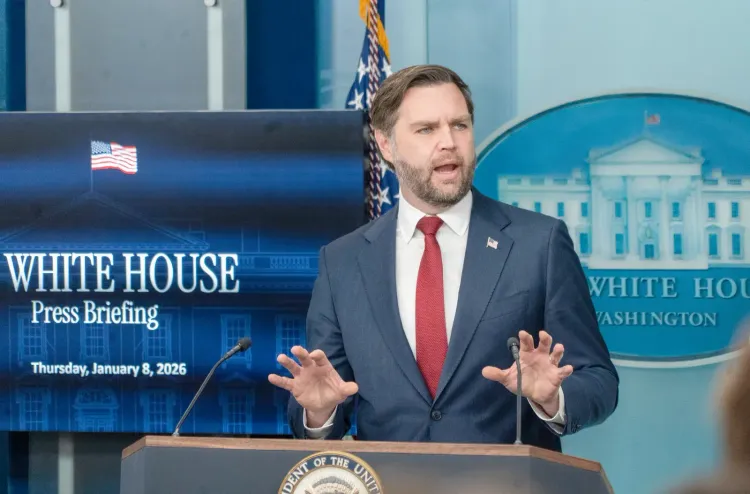
US Vice President JD Vance on Monday, 22 June said that the latest round of negotiations with Iran had produced concrete agreements on maritime security, regional ceasefire enforcement, and nuclear inspections, describing the outcomes as the foundation for what could become a “truly transformed Middle East.” Vance made the remarks to reporters before departing Emmen Air Base in Switzerland, where both sides had been engaged in intensive diplomacy.
Key Agreements Reached
Vance identified three headline outcomes from the Switzerland talks. First, a mechanism was established to keep shipping lanes open and ensure continued energy flows through the region. He said approximately 15 million barrels of oil had moved as a result, which he credited as a factor in current lower global oil prices. “The fundamental thing we got is number one, we set up the mechanism to ensure not only the straight support moves are open, but will stay open,” he said.
Second, a framework was agreed to manage regional ceasefire enforcement, with the Trump administration working alongside Israel and Gulf Arab partners to sustain it. “We actually set up the right mechanism to ensure the regional ceasefire to manage the inevitable conflicts that will come up,” Vance said, adding that the administration felt “very, very good” about where that stood.
Third, and perhaps most significantly, Iran has agreed to allow nuclear inspectors into the country “for the first time in a long time,” according to Vance. He said the inspection regime would be strengthened to ensure Tehran could “never have a nuclear weapon.”
Verification Over Promises
Vance was emphatic that the Trump administration would judge Iran by its actions rather than its stated intentions. “Whether good faith or bad faith, you can’t trust anybody’s worries; you have to trust what they actually do,” he said. He added that President Donald Trump had specifically instructed the team to “verify what they’re doing, focus less on what they’re saying.”
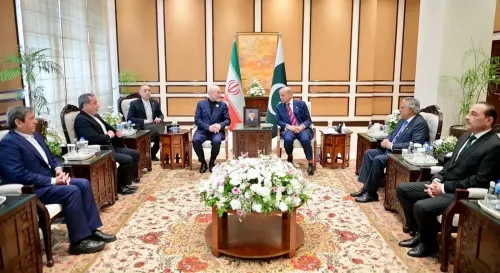
This cautious posture reflects broader scepticism within the administration about Iranian commitments, even as both sides signalled willingness to continue talks. Notably, negotiating teams from both the United States and Iran remained at the resort in Switzerland to work through outstanding technical details.
Frozen Funds and Qatar’s Role
Qatar has agreed to help establish an oversight mechanism governing the potential release of frozen Iranian funds, Vance confirmed. He said the funds would not be unfrozen unless negotiations continued to show progress. “Fundamentally, that money is not going to be unfrozen unless we continue to see progress, and that will obviously be a big part of the negotiation in the days to come,” he said.
The involvement of Doha as a mediating actor is consistent with Qatar’s established role as a backchannel between Washington and Tehran, a pattern that has persisted across multiple administrations.
Diplomatic Atmosphere and What Comes Next
Vance dismissed reports that Iranian Foreign Minister Abbas Araghchi had snubbed him before negotiations began, describing the Iranians as “extremely confusing” but not obstructive negotiators. He also mocked social media speculation that the Iranian delegation was about to walk out. “We proceeded to talk to them for like the next nine hours,” he said.
Both sides are expected to continue technical-level negotiations in the coming days. The administration has framed the Switzerland round as a foundation, not a conclusion — “We haven’t built the house yet, we’re gonna have to keep on building,” Vance said. The durability of the agreements, particularly on nuclear inspections and ceasefire enforcement, will depend heavily on follow-through from Tehran and coordination with regional allies.
Point of View
But Vance’s own framing — ‘we haven’t built the house yet’ — signals that the hard work lies ahead. Nuclear inspections are a headline win, but the inspection regime’s credibility depends on scope and independence, neither of which has been publicly detailed. The ceasefire mechanism is only as strong as Israeli and Gulf Arab commitment to it, two actors with divergent interests on Iran. The frozen funds question, now routed through Qatar, introduces a third-party dependency that could slow or complicate implementation. Progress is real; durability is unproven.
NationPress
21 Sept 2026
Frequently Asked Questions
What agreements came out of the US-Iran talks in Switzerland?
The talks produced three key agreements: a mechanism to keep regional shipping lanes open and energy flows moving, a framework for enforcing a regional ceasefire in coordination with Israel and Gulf Arab partners, and Iran’s consent to allow nuclear inspectors into the country. Both sides’ negotiating teams remained in Switzerland to continue technical discussions.
What did JD Vance say about Iran allowing nuclear inspectors?
Vance said Iran had agreed to allow nuclear inspectors into the country ‘for the first time in a long time.’ He added that the Trump administration would strengthen the inspection regime to ensure Iran could never develop a nuclear weapon, and that verification of actions — not promises — would guide US judgement.
What is Qatar’s role in the Iran negotiations?
Qatar has agreed to help establish an oversight mechanism to govern the potential release of frozen Iranian funds, ensuring the money is used in accordance with conditions set during the negotiations. Vance confirmed the funds will not be unfrozen unless negotiations continue to show progress.
Why did Vance dismiss reports of the Iranian delegation walking out?
Vance said social media reports of an Iranian walkout were unfounded, noting that after the initial meeting the two sides proceeded to talk for approximately nine hours. He described Iranian negotiators as ‘confusing’ but said the US felt it was making progress.
What happens next in the US-Iran negotiations?
Both US and Iranian technical teams have remained in Switzerland to continue working through outstanding details. The release of frozen Iranian funds and further consolidation of the nuclear inspection and ceasefire frameworks are expected to dominate the next phase of talks.