Ebola in DRC tops 4,053 cases, 1,850 deaths as outbreak spreads unchecked
Synopsis
With 4,053 confirmed cases and 1,850 deaths, the DRC's Ebola outbreak is accelerating — and children are dying at twice the adult rate. MSF says the situation is 'more critical than ever' with no sign of slowing, while UNICEF warns the virus is collapsing the broader health system in Ituri Province, threatening lives far beyond the Ebola count itself.
Key Takeaways
The DRC has recorded 4,053 confirmed Ebola cases and 1,850 deaths as of 7 August .
694 patients remain in isolation or hospital care; 793 have recovered.
330 children have died — children account for nearly one in four cases but almost one in three deaths.
Children under five face a case fatality rate more than double that of adults, according to UNICEF .
MSF warns the outbreak in eastern DRC is spreading at an 'alarming and unprecedented pace' with 'no sign of slowing down.' The outbreak has sharply disrupted childhood immunisation, maternal healthcare, and essential services in Ituri Province .
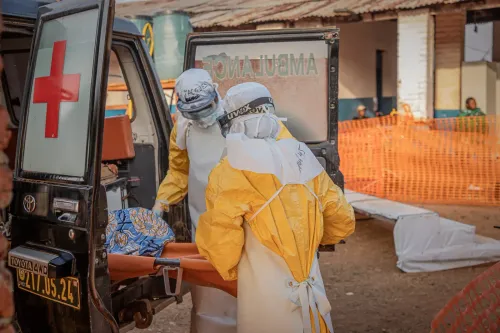
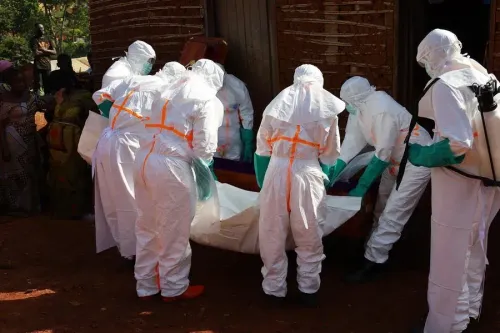
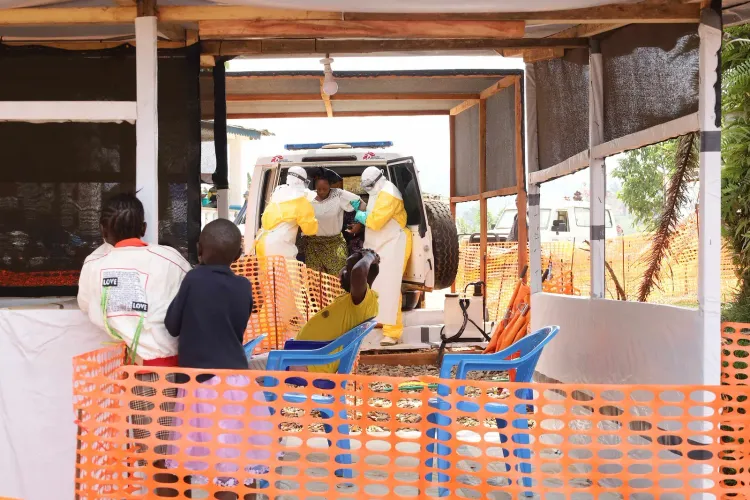
The Democratic Republic of the Congo (DRC) has recorded 4,053 confirmed Ebola cases and 1,850 deaths, according to an update released by the country's health authorities on 7 August. International humanitarian organisations warn the outbreak in eastern DRC is spreading at an alarming and unprecedented pace with no sign of slowing down.
Current Outbreak Status
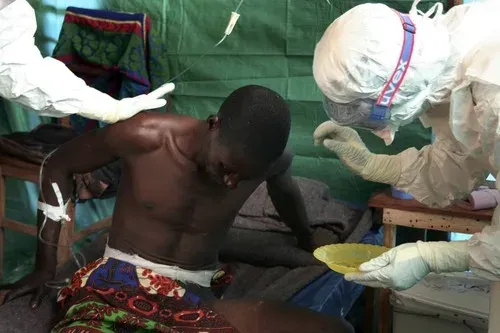
Of the confirmed cases, 694 patients remain in isolation or hospital care, while 793 people have recovered. The figures mark a significant escalation in one of the deadliest Ebola outbreaks the country has faced in recent years.
Global medical charity Médecins Sans Frontières (MSF), also known as Doctors Without Borders, warned on Wednesday that the situation in eastern DRC is 'more critical than ever,' spreading at an alarming and unprecedented pace with 'no sign of slowing down.'
Children Bear Disproportionate Burden
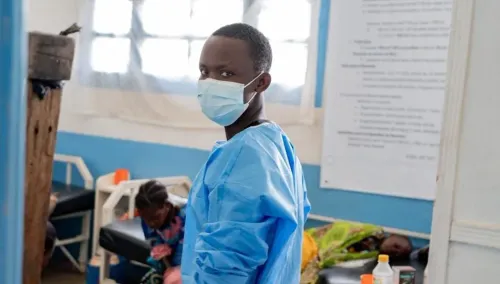
The United Nations Children's Fund (UNICEF) has flagged a particularly grim dimension of the crisis: the outbreak has killed 330 children and is severely disrupting essential health services in the hardest-hit Ituri Province.
'Although children represent nearly one in four confirmed cases, they account for almost one in three deaths. Young children under five are particularly affected, with a case fatality rate more than double that of adults,' UNICEF noted.
John Agbor, UNICEF representative in the DRC, said: 'The Ebola outbreak is severely disrupting the entire health system, with inevitable consequences for cases of malaria, diarrhoea, and other treatable illnesses that are the biggest killers of children.'
Collapse of Essential Health Services
According to UNICEF, the outbreak has caused a sharp decline in childhood immunisation, maternal healthcare, and other essential services. Fear of infection and disruptions to health facilities have kept families away from care — a secondary crisis that could claim additional lives well beyond the direct toll of Ebola.
This is a pattern seen in previous major Ebola outbreaks: the virus's disruption of health infrastructure often kills as many indirectly as it does directly, particularly in communities where malaria, diarrhoea, and preventable childhood diseases are endemic.
What Happens Next
With MSF and UNICEF both raising urgent alarms, pressure is mounting on the international community and the DRC government to scale up containment and treatment capacity in Ituri Province. The trajectory of the outbreak — and whether immunisation and maternal health services can be restored — will be closely watched in the weeks ahead.
Point of View
Not just containment capacity. UNICEF's warning about declining immunisation and maternal care signals a second-order crisis that will outlast the outbreak itself. The international response has repeatedly lagged in eastern DRC, a conflict-affected zone where access is contested. Without a serious escalation in funding and on-the-ground capacity, the 4,000-case threshold may look modest in retrospect.
NationPress
7 Aug 2026
Frequently Asked Questions
How many Ebola cases and deaths have been recorded in the DRC?
As of 7 August, the DRC has recorded 4,053 confirmed Ebola cases and 1,850 deaths, according to the country's health authorities. A further 694 patients remain in isolation or hospital care, while 793 have recovered.
Why are children particularly at risk in the DRC Ebola outbreak?
UNICEF reports that children represent nearly one in four confirmed cases but account for almost one in three deaths. Children under five face a case fatality rate more than double that of adults, making them the most vulnerable group in the current outbreak.
Which areas of the DRC are worst affected?
The outbreak is centred in eastern DRC, with Ituri Province identified as the hardest-hit region. MSF and UNICEF have both flagged Ituri as the epicentre of the most severe disruptions to health services and Ebola transmission.
What warning has MSF issued about the Ebola outbreak?
Médecins Sans Frontières (MSF) warned on Wednesday that the Ebola situation in eastern DRC is 'more critical than ever,' spreading at an alarming and unprecedented pace with 'no sign of slowing down.' The organisation called for urgent international attention and resource mobilisation.
How is the Ebola outbreak affecting other health services in the DRC?
According to UNICEF, the outbreak has caused a sharp decline in childhood immunisation, maternal healthcare, and other essential services as fear of infection keeps families away from health facilities. UNICEF representative John Agbor warned this will have 'inevitable consequences' for deaths from malaria, diarrhoea, and other treatable illnesses.