DR Congo Ebola outbreak: 1,502 confirmed cases, 473 deaths as WHO warns
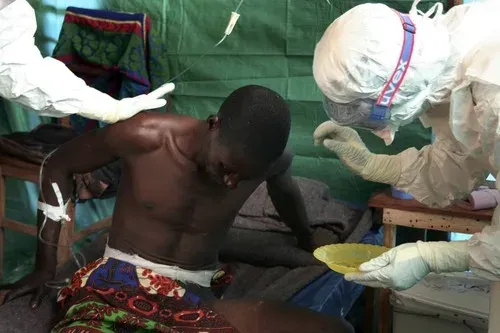
Synopsis
The DRC is battling the largest Bundibugyo Ebola outbreak in recorded history — 1,502 confirmed cases, 473 deaths — with no approved vaccine or treatment for this strain. Transmission is ongoing in conflict-hit mining zones where armed groups make contact tracing nearly impossible, and Uganda has already recorded 20 cases, raising cross-border alarm.
Key Takeaways
The DRC has recorded 1,502 confirmed Ebola cases and 473 deaths , making this the largest Bundibugyo Ebola outbreak ever documented.
628 patients are currently in isolation or hospitalisation; 229 recoveries have been recorded.
Transmission is ongoing in the eastern provinces of Ituri and North Kivu , complicated by armed group activity and population movement in mining zones.
There is currently no approved vaccine or specific treatment for the Bundibugyo strain; a WHO-backed clinical trial has begun enrolling patients.
Uganda has reported 20 confirmed cases , including 15 imported ; no community transmission observed so far.
The DRC and Uganda have signed a memorandum of understanding for joint cross-border surveillance and response.
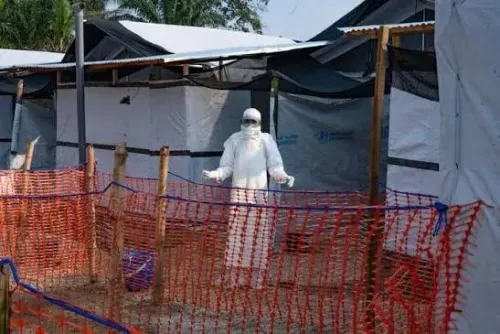
The Democratic Republic of the Congo (DRC) has recorded 1,502 confirmed Ebola cases, including 473 deaths, as the World Health Organization (WHO) warned that the outbreak remains serious, with transmission continuing across two eastern provinces. The figures, released on Friday by DRC public health authorities, mark the largest Bundibugyo Ebola outbreak ever documented.
Current Situation on the Ground
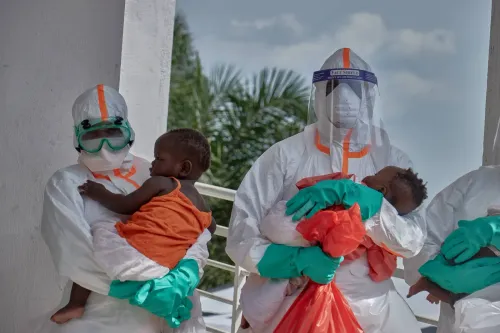
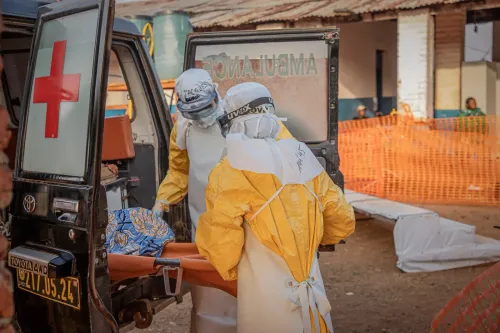
Of the confirmed cases, 628 patients are currently in isolation or hospitalisation, while 229 recoveries have been recorded. Authorities have additionally logged 213 suspected cases, including 63 deaths, as contact-tracing efforts continue in affected zones.
WHO Regional Director for Africa Mohamed Yakub Janabi, speaking at an online media briefing, confirmed that active transmission is ongoing in the eastern provinces of Ituri and North Kivu. He described the current outbreak as 'the largest Bundibugyo Ebola outbreak ever recorded.'
Why Containment Remains Difficult
Pierre Akilimali, a WHO expert deployed in the DRC, said the outbreak is unfolding in areas marked by insecurity and armed group activity, severely hampering case detection and contact tracing. He noted that parts of the affected region in Ituri are active mining zones, where high population mobility — including frequent movement of workers from outside — has elevated the risk of further virus spread.
This combination of conflict, displacement, and economic activity in remote areas is a recurring challenge in DRC Ebola responses. The country has battled multiple Ebola outbreaks over the past decade, but this is the first of the Bundibugyo strain at this scale.
Clinical Trial and Treatment Gaps
The WHO confirmed on Thursday that a clinical trial had begun enrolling patients in the DRC to evaluate potential treatments for Ebola disease caused by the Bundibugyo virus. Critically, there is currently no approved vaccine or specific treatment for this strain — a significant distinction from the better-known Zaire strain, for which approved vaccines exist.
Uganda's Cross-Border Response
Benjamin Sensasi, a WHO expert in Uganda, said the country had reported 20 confirmed cases as of Thursday, of which 15 were imported cases. The remaining five locally infected individuals were all detected while in quarantine, and no community transmission has been observed in Uganda so far.
The DRC and Uganda have established a joint cross-border response mechanism and signed a memorandum of understanding to share surveillance data and reinforce screening and treatment capacity at border areas, according to Sensasi. The bilateral coordination is seen as critical given the porous nature of the DRC-Uganda border and ongoing population movement.
What Comes Next
With no approved vaccine for the Bundibugyo strain and active transmission in conflict-affected zones, health authorities face a complex containment challenge. The outcome of the ongoing clinical trial and the effectiveness of the DRC-Uganda joint mechanism will be closely watched in the weeks ahead.
Point of View
And treatment options are experimental. The DRC is now paying the price for that research gap at the worst possible moment: active transmission in conflict zones where health workers cannot safely operate. The cross-border spread to Uganda is a warning sign that this outbreak has regional dimensions, and the memorandum of understanding, while welcome, is a diplomatic instrument, not a containment tool. The real test is whether the clinical trial can generate usable data fast enough to change outcomes on the ground — and whether international health funding mobilises before the case count doubles again.
NationPress
3 Oct 2026
Frequently Asked Questions
How many Ebola cases has the DRC confirmed in the current outbreak?
The DRC has confirmed 1,502 Ebola cases , including 473 deaths and 229 recoveries , according to figures released on Friday by DRC public health authorities. A further 213 suspected cases, including 63 deaths, have also been reported.
What makes this Ebola outbreak different from previous ones?
This is the largest Bundibugyo Ebola outbreak ever recorded, according to WHO Regional Director Mohamed Yakub Janabi. Unlike the more common Zaire strain, there is currently no approved vaccine or specific treatment for the Bundibugyo virus, making containment more difficult.
Why is the outbreak so hard to contain in eastern DRC?
According to WHO expert Pierre Akilimali, the affected areas in Ituri and North Kivu are marked by insecurity and armed group activity, which severely hampers case detection and contact tracing. Parts of Ituri are active mining zones with high population mobility, increasing transmission risk.
Has Ebola spread beyond the DRC?
Yes. Uganda has reported 20 confirmed cases as of Thursday, of which 15 are imported. However, the five locally infected individuals were all detected in quarantine, and no community transmission has been observed in Uganda so far.
What is being done to treat Ebola patients in the DRC?
A WHO-backed clinical trial began enrolling patients in the DRC on Thursday to evaluate potential treatments for Bundibugyo Ebola. No approved vaccine or specific treatment currently exists for this strain. The DRC and Uganda have also signed a memorandum of understanding for joint cross-border surveillance and response.