DR Congo Ebola cases climb to 635; WHO declares global emergency
Synopsis
The DRC's Ebola toll has reached 635 confirmed cases, but the harder story is what Africa CDC laid bare: health facilities without clean water or protective gear, unpaid health workers, and a community-trust deficit that could unravel the entire response. With a WHO global emergency already declared, the race is now against logistics as much as the virus.
Key Takeaways
635 confirmed Ebola cases recorded in the DRC as of 9 June , with 30 total recoveries .
Eight new recoveries reported on Wednesday — seven in Nyankunde and one in Mongbwalu , both in Ituri province.
Contact tracing coverage improved to 61.1% , up from 56.4% the previous day.
490 tonnes of medicines deployed; response teams active in Ituri , North Kivu , and South Kivu .
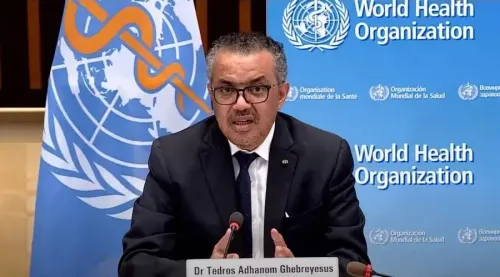
WHO declared the outbreak a public health emergency of international concern on 17 May .
Africa CDC warned of critical gaps: lack of PPE, unpaid health workers, poor roads, and low community trust.
The Democratic Republic of the Congo (DRC) has recorded 635 confirmed Ebola cases as of 9 June, with 30 patients having recovered, according to Health Minister Roger Kamba. The outbreak, caused by the Bundibugyo Ebola virus, was declared a public health emergency of international concern by the World Health Organization (WHO) on 17 May — just two days after the DRC formally announced it on 15 May.
Latest Case and Recovery Data
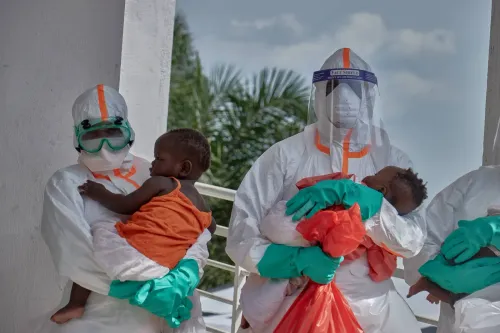
In a post on social media platform X on Wednesday, Minister Kamba reported eight new recoveries — seven in Nyankunde and one in Mongbwalu, both located in the eastern province of Ituri. The contact-tracing rate has improved to 61.1 per cent, up from 56.4 per cent the previous day, signalling incremental progress in containing the spread.
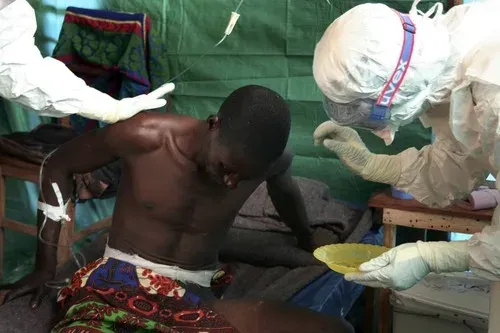
'Each recovery sends a strong message: come for treatment, as early care saves lives,' Kamba said.
What the Government Has Deployed
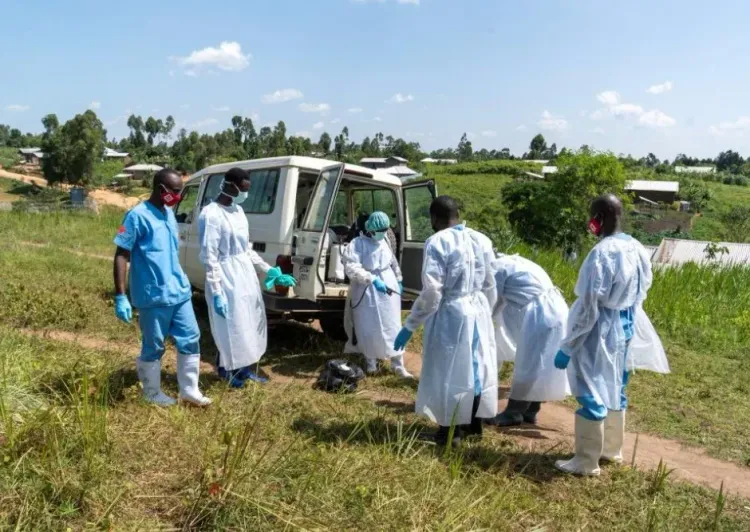
Authorities have dispatched 490 tonnes of medicines to affected zones and bolstered laboratory capacity, with response teams operating around the clock across Ituri, North Kivu, and South Kivu provinces. Kamba said health authorities are monitoring 'every zone, every alert and every signal' as vigilance remains high.
Operational Challenges on the Ground
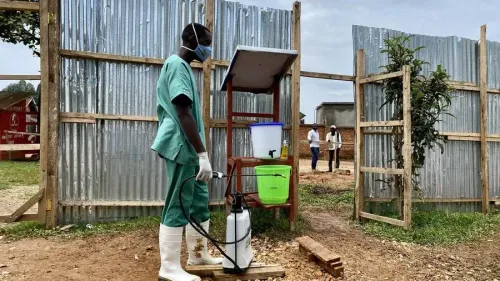
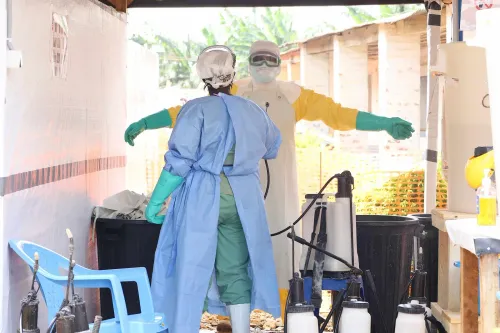
Despite the government's efforts, the Africa Centers for Disease Control and Prevention (Africa CDC) warned on Tuesday that response operations are 'facing significant operational constraints.' Health facilities in several affected areas reportedly lack potable water, incinerators, personal protective equipment, and decontamination supplies.
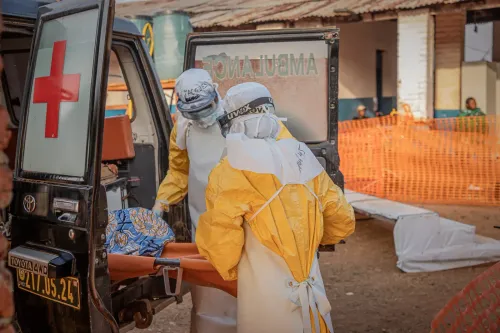
Compounding the crisis are insecurity, a shortage of ambulances, staffing pressures — with some health workers unpaid or without incentives — and poor road infrastructure. The Africa CDC also flagged a lack of community trust as 'a critical challenge' jeopardising the response, while expressing concern over travel restrictions imposed on affected and at-risk African countries, which it said run counter to guidance from the WHO and the agency itself.
Immediate Priorities Outlined by Africa CDC
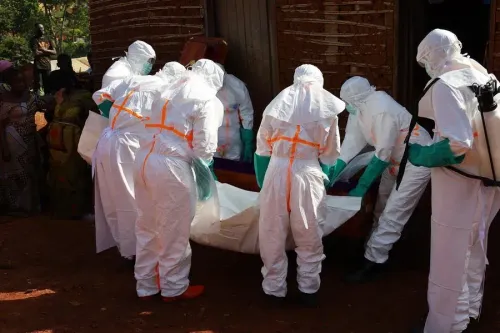
The Africa CDC outlined several urgent action areas: strengthening community engagement and risk communication, fast-tracking multidisciplinary rapid response teams to high-risk zones, closing gaps in infection prevention and safe burial practices, and enhancing surveillance and contact follow-up. This comes amid mounting international scrutiny over whether the global response infrastructure is adequately resourced for an outbreak of this scale in a conflict-affected region.
With recoveries rising but operational barriers persisting, the trajectory of the DRC's Ebola outbreak will depend heavily on whether funding, logistics, and community cooperation can be secured in the weeks ahead.
Point of View
Facilities without clean water, community distrust — points to a response architecture that is structurally under-resourced for a conflict-zone outbreak. The WHO's emergency declaration on 17 May should have unlocked accelerated international support; the fact that these gaps persist three weeks later raises serious questions about the speed of global mobilisation. Travel restrictions on affected countries, criticised by both the WHO and Africa CDC, risk compounding isolation without improving containment.
NationPress
26 Oct 2026
Frequently Asked Questions
How many Ebola cases have been confirmed in the DRC?
As of 9 June, the DRC has confirmed 635 Ebola cases, with 30 patients having recovered. The outbreak is caused by the Bundibugyo Ebola virus and was first declared on 15 May.
Has the WHO declared the DRC Ebola outbreak an international emergency?
Yes. The World Health Organization declared the DRC Ebola outbreak a public health emergency of international concern on 17 May, two days after the DRC government's official declaration on 15 May.
Which provinces in the DRC are most affected by the Ebola outbreak?
The outbreak is primarily active in the eastern provinces of Ituri, North Kivu, and South Kivu. Recent recoveries were reported from Nyankunde and Mongbwalu, both in Ituri.
What challenges is the Ebola response facing?
The Africa CDC has warned of significant operational constraints, including health facilities lacking clean water, incinerators, and protective equipment, alongside unpaid health workers, insecurity, poor roads, and low community trust. Travel restrictions on affected countries are also hampering the response.
What are the immediate priorities for controlling the outbreak?
The Africa CDC has outlined strengthening community engagement, deploying rapid response teams to high-risk areas, improving infection prevention and safe burial practices, and enhancing surveillance and contact tracing as the most urgent steps needed.