Ebola deaths in Congo hit 600 as outbreak spreads to 37 health zones
Synopsis
The DRC's 17th Ebola outbreak has killed 600 people and infected 1,759 — and it involves the Bundibugyo strain, for which no approved vaccine exists. With beds at 94 per cent capacity, armed groups blocking access, and a parallel outbreak confirmed in Uganda, this is shaping up to be one of the most complex Ebola responses in the country's history.
Key Takeaways
The Ebola death toll in the DRC has reached 600 , with 1,759 confirmed cases as of 9 July 2026 .
The outbreak — declared on 15 May 2026 — is the DRC's 17th and has spread to 37 health zones across Ituri , North Kivu , and South Kivu .
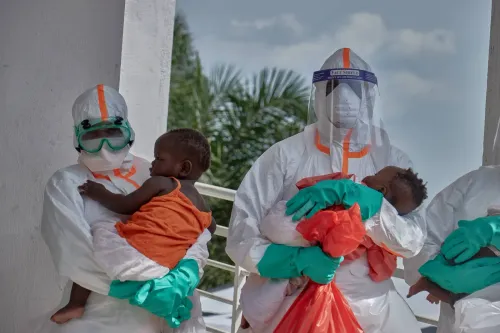
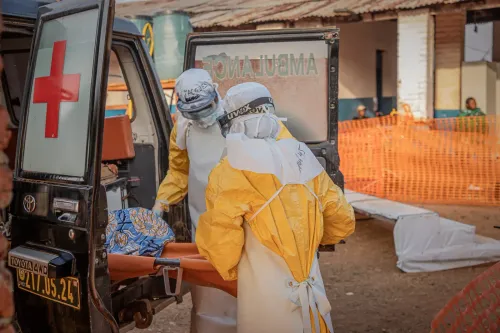
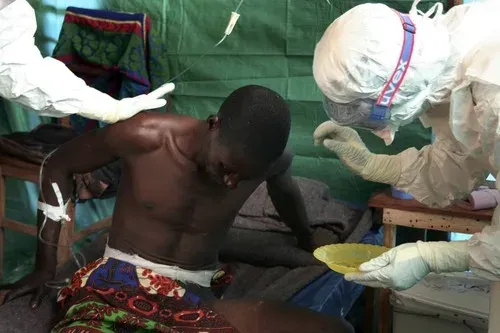
Bed occupancy in treatment facilities stands at 94 per cent , with 750 patients currently in isolation or hospitalisation.
The Bundibugyo Ebola strain has no approved vaccine or specific treatment, complicating the response.
The WHO has declared the outbreak a Public Health Emergency of International Concern .
A parallel outbreak of the same strain was confirmed in Uganda in May 2026 , raising cross-border transmission fears.
The death toll from the Ebola outbreak in the Democratic Republic of the Congo (DRC) has climbed to 600, with 1,759 confirmed cases recorded as of 9 July 2026, according to the country's health authorities. The outbreak, caused by the Bundibugyo Ebola virus, has now spread across 37 health zones in three eastern provinces — Ituri, North Kivu, and South Kivu.
Scale of the Outbreak
Declared on 15 May 2026, this is the DRC's 17th Ebola outbreak — and one of the most geographically dispersed. A total of 750 patients are currently in isolation or hospitalisation, with an overall bed occupancy rate of 94 per cent, according to health authorities. The World Health Organization (WHO) has declared the outbreak a Public Health Emergency of International Concern, reflecting the severity of its spread.
Why This Outbreak Is Especially Difficult to Contain
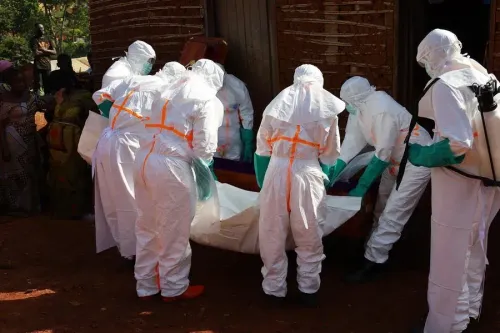
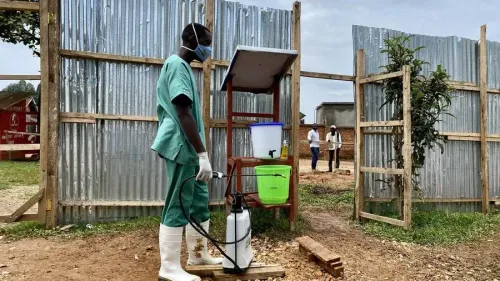
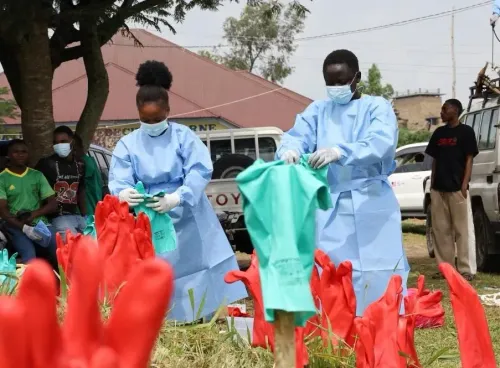
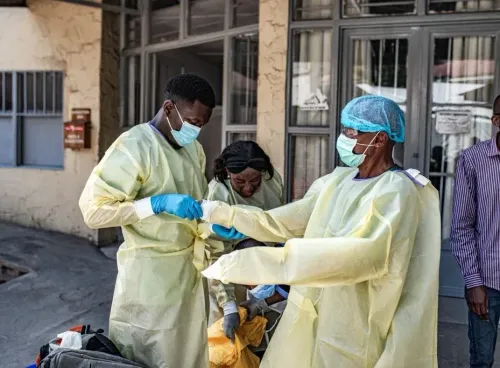
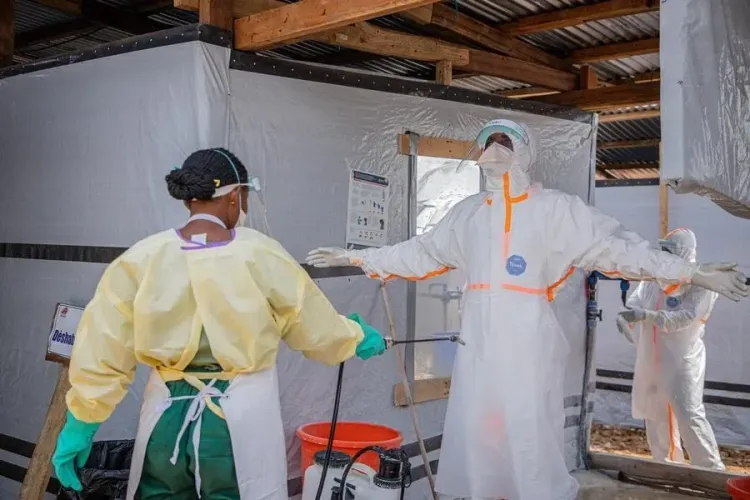
Response efforts are being hampered by a convergence of crises. Health authorities have cited community resistance to post-mortem sampling, insufficient treatment capacity, gaps in contact tracing, and limited medical supplies as key constraints. Critically, insecurity caused by armed groups has restricted access to several affected areas, making surveillance and care delivery extremely difficult.
Notably, the Bundibugyo species of the Ebola virus — responsible for this outbreak — has no approved vaccine or specific treatment, though clinical trials of promising candidates are reportedly ongoing. This distinguishes the current crisis from previous DRC outbreaks, where ring vaccination with approved vaccines helped curb transmission.
The Virus and Its Symptoms
Ebola is a rare, severe, and often fatal haemorrhagic fever transmitted to humans from wild animals, including fruit bats, and spreads through direct contact with infected bodily fluids. Symptoms typically emerge between 2 and 21 days after exposure and include sudden fever, fatigue, muscle pain, severe headache, vomiting, diarrhoea, and — in severe cases — unexplained bleeding or bruising. Without treatment, the disease can lead to organ failure and death.
Regional Spillover Concern
The outbreak is not confined to the DRC. An Ebola outbreak linked to the same Bundibugyo species was also confirmed in Uganda in May 2026, raising fears of cross-border transmission driven by high population and trade movements in the region. International partners have repeatedly warned that incomplete contact tracing and pressure on health facilities continue to complicate containment on both sides of the border.
What Comes Next
With bed occupancy at near-full capacity and no approved treatment for the Bundibugyo strain, health authorities and international partners face a race against time. Sustained international funding, improved access in conflict-affected zones, and community engagement will be critical to reversing the trajectory of this outbreak.
Point of View
But the structural conditions driving it are what demand scrutiny. The Bundibugyo strain's lack of an approved vaccine removes the single most effective tool used to end previous DRC outbreaks. Combine that with near-full treatment capacity, armed-group-controlled territory blocking responders, and a simultaneous spillover into Uganda, and this outbreak has the architecture of a prolonged regional crisis — not a contained episode. The international community's response speed and funding commitment in the next 30 days will likely determine whether this is brought under control or escalates further.
NationPress
8 Oct 2026
Frequently Asked Questions
How many people have died in the DRC Ebola outbreak so far?
The death toll from the ongoing Ebola outbreak in the Democratic Republic of the Congo has reached 600, with 1,759 confirmed cases reported as of 9 July 2026, according to the country's health authorities.
What makes the 2026 DRC Ebola outbreak different from previous ones?
This outbreak is caused by the Bundibugyo species of the Ebola virus, for which there is no approved vaccine or specific treatment — unlike previous DRC outbreaks where ring vaccination helped curb spread. It is also the country's 17th outbreak and has spread across 37 health zones in three provinces.
Has the WHO declared an emergency over the DRC Ebola outbreak?
Yes. The World Health Organization has declared the outbreak a Public Health Emergency of International Concern, its highest level of global health alert, reflecting the severity and cross-border risk of the situation.
Why is the Ebola response in the DRC so difficult?
Responders face a combination of challenges: community resistance to post-mortem sampling, gaps in contact tracing, insufficient treatment capacity with beds at 94 per cent occupancy, limited supplies, and insecurity caused by armed groups that restrict access to affected areas.
Has Ebola spread beyond the DRC?
Yes. An Ebola outbreak involving the same Bundibugyo strain was confirmed in Uganda in May 2026, raising concerns about cross-border transmission driven by high population movement and trade activity in the region.