Ebola cases in DRC climb to 689 with 139 deaths, Ituri worst hit
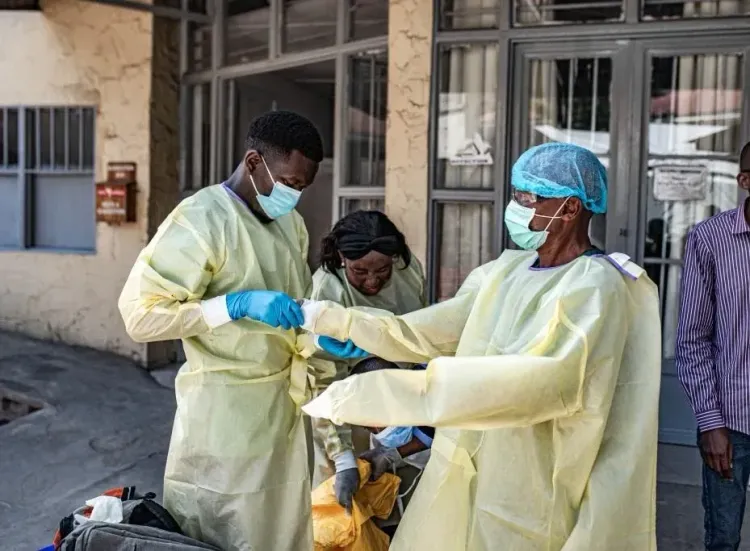
Synopsis
The DRC's 17th Ebola outbreak has reached 689 confirmed cases and 139 deaths, with all 17 new cases on Thursday concentrated in Ituri — including two deaths inside a displaced-persons camp. A $21.5 million funding gap and the absence of any approved vaccine or treatment for the Bundibugyo strain make this one of the most operationally fraught outbreaks in the country's history.
Key Takeaways
The DRC has recorded 689 confirmed Ebola cases and 139 deaths as of 13 June 2026 .
17 new confirmed cases , including 5 deaths , were reported on Thursday, all in Ituri province.
The outbreak spans 29 health zones across Ituri , North Kivu , and South Kivu .
The Bundibugyo strain involved has no approved vaccine or specific treatment.
A $21.5 million funding gap is hampering the containment response.
This is the DRC's 17th Ebola outbreak since the virus was identified in 1976 ; it was officially declared on 15 May 2026 .
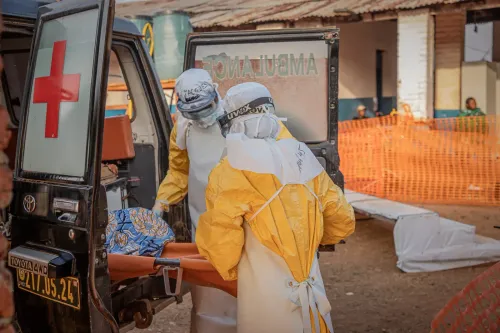
The Democratic Republic of the Congo (DRC) has recorded 689 confirmed Ebola cases and 139 deaths as of 13 June, according to the latest situation report released by the country's health authorities. The outbreak, caused by the Bundibugyo strain of the Ebola virus — a species for which no approved vaccine or specific treatment currently exists — has spread across 29 health zones in three eastern provinces.
Latest Case Count and Active Zones
Health authorities reported 17 new confirmed cases, including five deaths, on Thursday alone — all concentrated in the eastern province of Ituri. The outbreak has also affected the neighbouring provinces of North Kivu and South Kivu. In addition to confirmed cases, 168 suspected cases — including 64 deaths — had been logged as of the same date.
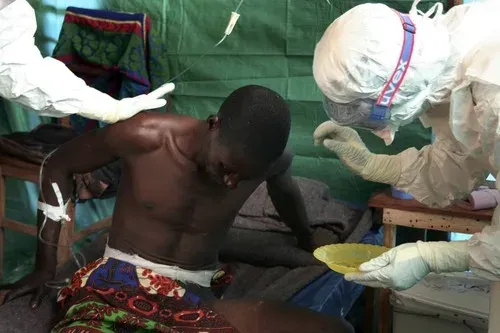
Notably, the United Nations High Commissioner for Refugees (UNHCR) reported two Ebola-related deaths inside a camp for internally displaced people in Ituri, raising concerns about the virus reaching vulnerable, densely housed populations with limited access to healthcare.
Operational Challenges on the Ground
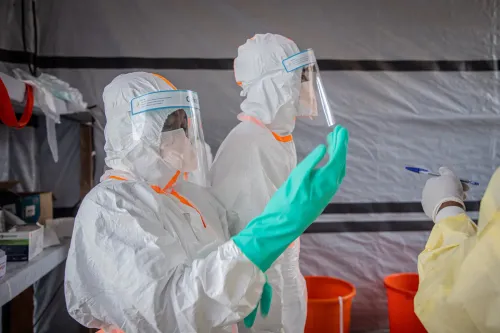
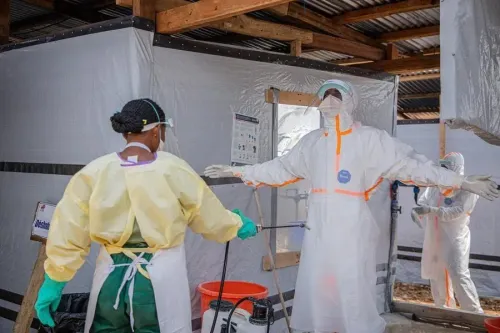
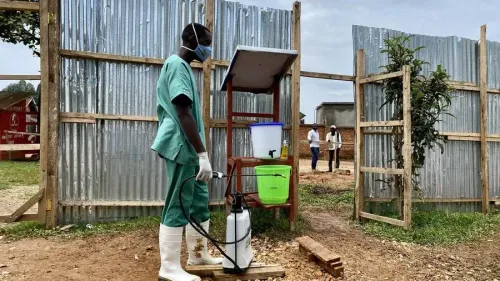
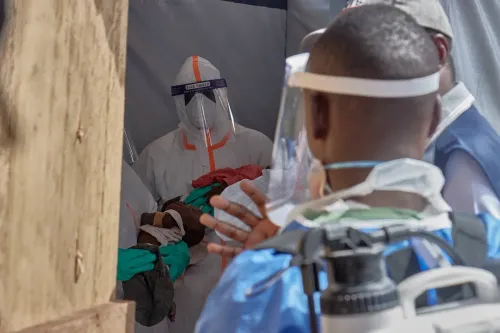
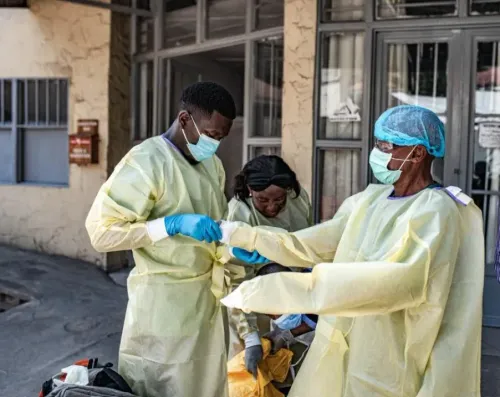
The situation report flagged several critical obstacles hampering the response. Authorities cited community reluctance to undergo post-mortem swabbing, insufficient capacity at Ebola treatment centres, and acute shortages of infection prevention and control materials in North Kivu. Weak alert-reporting systems across all three provinces are compounding surveillance gaps.
Perhaps most pressing is a confirmed funding gap of $21.5 million, which threatens to stall containment operations at a critical juncture. Humanitarian crisis conditions, remote terrain, dense population movement, and ongoing insecurity in eastern DRC are collectively making the response one of the most complex since the country's 2018–2020 outbreak.
Background: DRC's 17th Ebola Outbreak
The current outbreak was officially declared on 15 May 2026 by the DRC's health ministry, making it the country's 17th Ebola outbreak since the virus was first identified in 1976. A simultaneous Ebola confirmation was also reported in Uganda in May 2026, according to reports, raising cross-border transmission concerns.
Ebola was first documented in two simultaneous outbreaks in 1976: one of Sudan virus disease in Nzara, in present-day South Sudan, and another in Yambuku in what is now the DRC — in a village near the Ebola River, from which the disease takes its name. The Bundibugyo strain involved in the current outbreak is distinct from the Zaire strain that drove the catastrophic 2014–2016 West Africa epidemic.
What Comes Next
Work on vaccine and treatment candidates for the Bundibugyo strain is ongoing, though no approved options are currently available for deployment at scale. International health agencies and humanitarian organisations are expected to intensify resource mobilisation efforts to address the $21.5 million funding shortfall. The trajectory of the outbreak in the coming weeks will depend heavily on whether alert-reporting improves and whether treatment centre capacity can be expanded in Ituri and North Kivu.
Point of View
Mass displacement, and a pathogen strain for which no approved vaccine exists. The $21.5 million funding gap is not a bureaucratic footnote — it is the difference between containment and a wider regional spill. The confirmation of deaths inside an IDP camp in Ituri is the most alarming data point in this report; displaced populations are among the hardest to trace and treat. International attention, which tends to spike at outbreak declaration and fade within weeks, needs to hold this time.
NationPress
29 Jul 2026
Frequently Asked Questions
How many Ebola cases and deaths have been confirmed in the DRC?
As of 13 June 2026, the DRC has confirmed 689 Ebola cases and 139 deaths, according to the country's health authorities. An additional 168 suspected cases, including 64 deaths, have also been reported.
Which provinces are affected by the current Ebola outbreak in the DRC?
The outbreak has spread across 29 health zones in three eastern provinces: Ituri, North Kivu, and South Kivu. Ituri is currently the most active zone, recording all 17 new confirmed cases reported on Thursday.
Why is there no vaccine for the current Ebola strain in the DRC?
The current outbreak is caused by the Bundibugyo strain of Ebola, which is distinct from the Zaire strain targeted by existing approved vaccines such as rVSV-ZEBOV. No vaccine or specific treatment has been approved for the Bundibugyo strain, though clinical trials on candidate therapies are reportedly ongoing.
What is the funding gap and why does it matter?
Health authorities have identified a $21.5 million funding shortfall in the response operation. Without this funding, critical activities — including expanding Ebola treatment centre capacity, improving alert systems, and distributing infection prevention materials — risk being curtailed at a pivotal stage of the outbreak.
Is this the first Ebola outbreak in the DRC?
No. This is the DRC's 17th Ebola outbreak since the virus was first identified in 1976. The country has experienced more Ebola outbreaks than any other nation, including the devastating 2018–2020 outbreak in North Kivu that killed over 2,200 people.