DR Congo Ebola cases hit 452 with 82 deaths as outbreak spreads
Synopsis
DR Congo's Ebola death toll has reached 82 among 452 confirmed cases, with 71 new infections recorded in a single day — and contact tracing reaching barely half of known contacts. With no licensed vaccine for the Bundibugyo strain and a $21.5 million funding gap on the ground, the Africa CDC and WHO are racing to mobilise $518 million before the outbreak spreads further.
Key Takeaways
The DRC has recorded 452 confirmed Ebola cases and 82 deaths as of 6 June 2025 , caused by the Bundibugyo strain .
71 new confirmed cases and 21 deaths were reported on 4 June in Ituri and North Kivu provinces.
Contact tracing follow-up stands at only 57.8 per cent of the 4,766 contacts under monitoring.
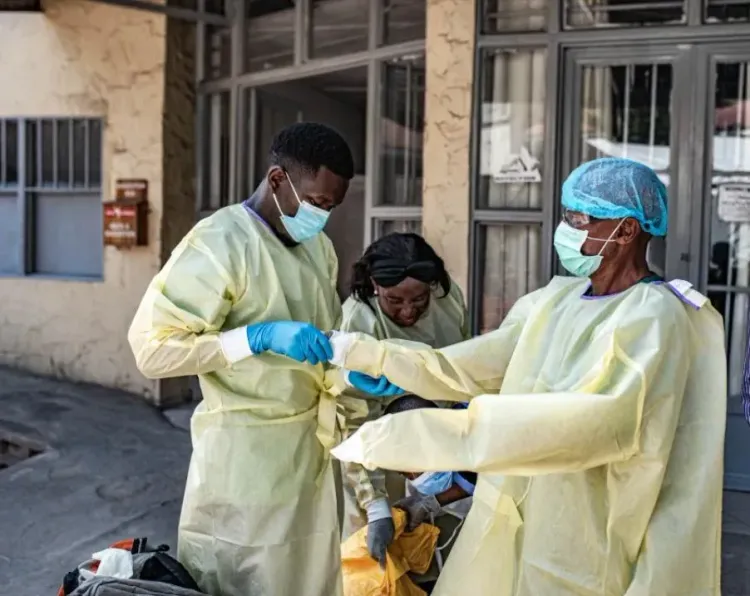
34 health workers have been infected; 7 have died and 6 have recovered .
Uganda has confirmed 19 cumulative Ebola cases , including 3 new infections .
The Africa CDC and WHO have launched a continental response plan targeting $518 million in funding for June–November 2025 .
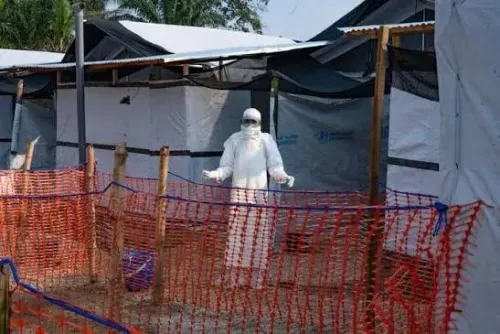
The Democratic Republic of the Congo (DRC) has recorded 452 confirmed Ebola cases and 82 deaths as of 6 June 2025, according to the latest situation report from the country's Ministry of Health. The outbreak, driven by the Bundibugyo strain of the Ebola virus, is showing signs of rapid and sustained community transmission across multiple provinces.
Latest Case Figures and Active Transmission
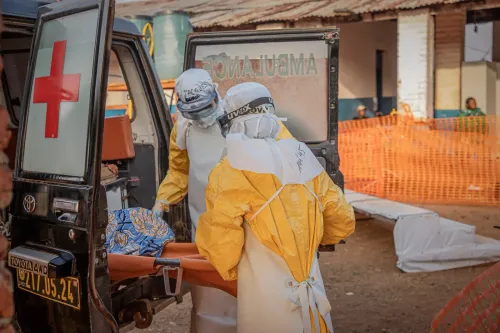
Health authorities reported 71 new confirmed cases on 4 June alone, including 21 deaths, concentrated in Ituri and North Kivu provinces. A total of 258 patients are currently in isolation or receiving hospital care, while eight people have recovered so far. The scale of daily additions signals that containment efforts have yet to gain the upper hand.
Contact Tracing Remains a Critical Gap
Of 4,766 contacts under follow-up across the three affected provinces, only 2,755 have been reached — an overall follow-up rate of just 57.8 per cent, according to the health ministry's report. This gap is particularly alarming given that effective contact tracing is the cornerstone of Ebola outbreak control. DRC health authorities have identified the main operational challenges as resistance to post-mortem swabbing, insufficient standardised Ebola treatment capacity, shortages of essential medicines, inadequate infection-prevention supplies in North Kivu, poor alert reporting, and a $21.5 million funding shortfall.
Uganda Reports New Cases; Health Workers Among Those Infected
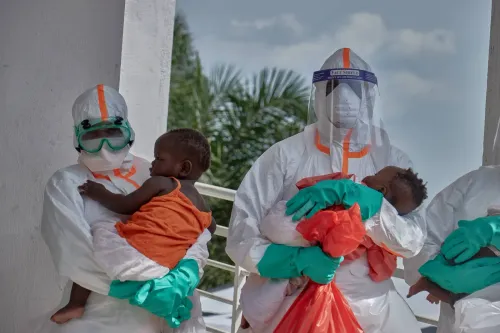
Uganda has also confirmed three new Ebola cases, raising its cumulative infection count to 19, according to the Ugandan Ministry of Health. Across the outbreak, a total of 34 health workers have been infected with the Ebola virus, of whom seven have died and six have recovered, according to the Africa Centres for Disease Control and Prevention (Africa CDC) and the World Health Organization (WHO).
Africa CDC and WHO Launch Continental Response Plan
The Africa CDC and the WHO jointly launched a continental Ebola outbreak preparedness and response plan on Friday, aiming to raise $518 million to support African countries in preparing for, rapidly detecting, and responding to the outbreak over the period from June to November 2025. The two institutions highlighted major structural obstacles, including the absence of approved medical countermeasures specific to the Bundibugyo Ebola strain, weak health infrastructure, high population mobility, insecurity and displacement, and widespread misinformation and community mistrust. These challenges are compounded by health systems already under pressure from multiple concurrent health emergencies.
What Comes Next
The success of the international response will hinge on closing the contact-tracing gap, securing the $518 million funding target, and accelerating the deployment of countermeasures tailored to the Bundibugyo strain — for which no licensed vaccine currently exists. With transmission still active in at least two provinces and a cross-border case load in Uganda, the outbreak's geographic footprint remains a key concern for regional health authorities.
Point of View
Not by treatment alone, and losing four in ten contacts to follow-up is how an outbreak becomes endemic. The Bundibugyo strain adds a layer of scientific risk: there is no licensed vaccine for it, unlike the Sudan or Zaire strains that previous response frameworks were built around. The $518 million appeal is the right instinct, but the $21.5 million gap already on the ground in DRC suggests that even existing commitments are not being met at speed. International donors need to front-load disbursements, not pledge and wait.
NationPress
20 Oct 2026
Frequently Asked Questions
How many Ebola cases and deaths have been confirmed in DR Congo?
As of 6 June 2025, the DRC has confirmed 452 Ebola cases and 82 deaths, according to the country's Ministry of Health. A further 258 patients are currently in isolation or hospital care.
What is the Bundibugyo Ebola strain and why does it matter?
The Bundibugyo strain is one of several species of the Ebola virus and is the cause of the current DRC outbreak. It is particularly concerning because no licensed vaccine exists specifically for this strain, unlike the more commonly studied Zaire strain, limiting the medical countermeasures available to responders.
Why is contact tracing a major concern in the DRC outbreak?
Of 4,766 contacts under follow-up, only 2,755 — about 57.8 per cent — have been reached by health workers. Effective contact tracing is essential to breaking transmission chains in Ebola outbreaks, and a follow-up rate below 60 per cent significantly increases the risk of undetected spread.
Has Ebola spread beyond DR Congo?
Yes. Uganda has confirmed 19 cumulative Ebola cases as of 6 June 2025, including three new infections reported on Friday, according to the Ugandan Ministry of Health.
What is the Africa CDC and WHO response plan for the Ebola outbreak?
The Africa CDC and WHO jointly launched a continental preparedness and response plan on Friday, aiming to raise $518 million to support African countries in detecting and responding to the outbreak between June and November 2025. The plan addresses funding gaps, medical countermeasure shortages, and weak health infrastructure across affected regions.