DR Congo Ebola outbreak: 75% community deaths alarm WHO as cases hit 6,686
Synopsis
The DRC Ebola outbreak — already the deadliest in the country's history — has taken a darker turn: three in four confirmed deaths are now happening in communities, not hospitals. With 6,686 cases, a 48.3% fatality rate, and the Bundibugyo strain outpacing the licensed vaccine's known coverage, the WHO's 'very high' risk warning is more than bureaucratic caution.
Key Takeaways
The DRC Ebola outbreak has recorded 6,686 confirmed cases and 3,226 confirmed deaths as of 6 September .
Community deaths reached 75% of all confirmed fatalities in the week of 31 August–6 September — the highest weekly proportion in the current reporting period.
The case fatality ratio stands at 48.3% among confirmed and probable cases.
167 healthcare workers have been infected, with 47 deaths recorded among them.
The licensed Ervebo vaccine is being evaluated for cross-protection against the current Bundibugyo strain ; 2,007 frontline workers vaccinated under compassionate use as of 6 September .
WHO rates spread risk as 'very high' within the DRC and 'high' for neighbouring countries; the outbreak retains PHEIC status.
The Ebola outbreak in the Democratic Republic of the Congo (DRC) has become 'increasingly heterogeneous,' with sharply divergent transmission patterns across affected provinces and health zones, according to the latest external situation report published by the World Health Organization (WHO). As of 6 September, the outbreak has recorded 6,686 confirmed cases and 3,226 confirmed deaths, making it the deadliest Ebola epidemic in the country's history.
Rising Community Deaths Signal a Deepening Crisis
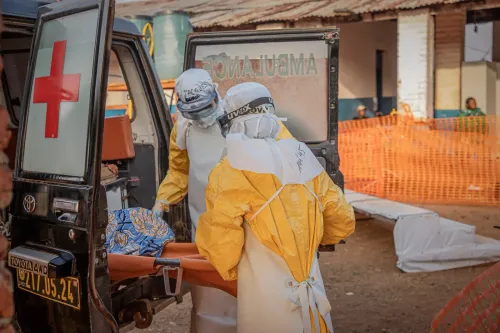
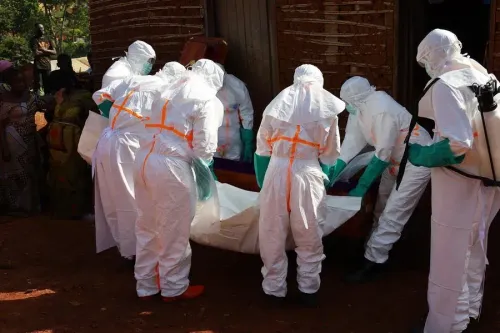
The most alarming finding in the WHO report is the surge in deaths occurring outside formal treatment facilities. During the week of 31 August to 6 September, community deaths accounted for 75% of all confirmed fatalities — the highest weekly proportion recorded during the current reporting period, up sharply from 56.6% just two weeks prior.
'This divergence is concerning, as the increase in community deaths alongside the continued decline in treatment facility deaths indicates that the earlier reduction in overall mortality has not been sustained,' the report stated.
The WHO attributed the persistence of high community mortality to 'multiple barriers along the pathway to care, including delayed detection and notification, delayed referral or transfer to treatment facilities, limited recognition of illness or perceived severity, geographic and transport barriers, care-seeking outside formal health facilities, and community acceptance or trust.'
Uneven Transmission Across Provinces
The WHO report underscored that the epidemic is not following a uniform trajectory. Transmission is reportedly declining in some health zones while simultaneously intensifying and spreading geographically in others. 'The trends reinforce an increasingly heterogeneous epidemic, with declining transmission in some areas occurring alongside intensification and continued geographic spread elsewhere,' the report noted.
This patchwork spread complicates containment efforts, as resources and response strategies must be calibrated differently across regions — a significant logistical challenge in a country as vast and infrastructure-constrained as the DRC.
Healthcare Workers Under Severe Threat
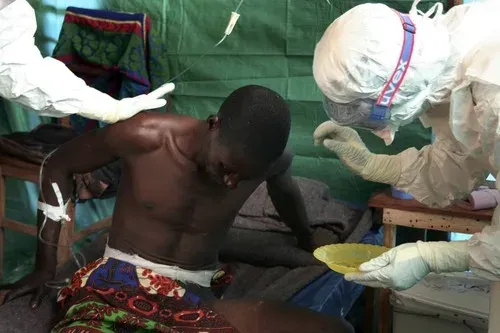
Healthcare worker infections remain a critical concern. As of 6 September, 167 confirmed infections among healthcare workers had been recorded, including 47 deaths. The loss of frontline medical personnel not only represents a human tragedy but also weakens the very infrastructure needed to contain the outbreak.
The case fatality ratio stands at 48.3% among confirmed and probable cases — a figure that underscores the lethality of the current Bundibugyo strain driving the epidemic.
Vaccine Deployment and Effectiveness Under Study
On the vaccine front, the licensed Ervebo shot — approved against the Zaire ebolavirus — is currently being evaluated for cross-protection against the Bundibugyo strain through an ongoing field effectiveness study. Since the current outbreak involves a different strain, the vaccine's efficacy cannot be assumed and is being actively assessed.
Under protocol-governed compassionate use provisions, which permit the deployment of unapproved or partially studied vaccines during outbreak conditions, vaccinations for frontline healthcare workers and at-risk populations commenced on 27 August. By 6 September, a total of 2,007 healthcare and frontline workers had been vaccinated, according to the report.
Global Risk Assessment and Emergency Status
The WHO continues to assess the risk of further spread as 'very high' within the DRC and 'high' for neighbouring countries. The second International Health Regulations (IHR) Emergency Committee, convened on 18 August, concluded that 'the outbreak remains far from controlled' and reaffirmed its status as a Public Health Emergency of International Concern (PHEIC).
Declared in May, the current outbreak has since surpassed all previous Ebola epidemics in the DRC in scale and death toll. Globally, it ranks as the second-largest Ebola outbreak on record, behind the catastrophic 2014–2016 West Africa epidemic. With community transmission rising and geographic spread continuing, international health authorities face a race against time to bring the outbreak under control.
Point of View
Contact tracing becomes near-impossible and transmission chains multiply invisibly. The DRC's geography and infrastructure deficits are well-documented, but the WHO's own report points to trust and community acceptance as barriers — a reminder that epidemics are as much social crises as medical ones. The fact that the licensed Ervebo vaccine may not cover the Bundibugyo strain adds a further layer of uncertainty that the global health system is not yet equipped to resolve quickly.
NationPress
24 Oct 2026
Frequently Asked Questions
How many Ebola cases and deaths have been recorded in the DRC outbreak?
As of 6 September, the DRC Ebola outbreak has recorded 6,686 confirmed cases and 3,226 confirmed deaths, with a case fatality ratio of 48.3% among confirmed and probable cases. It is the largest and deadliest Ebola epidemic in the DRC's history and the second-largest globally.
Why are so many Ebola deaths happening in communities rather than hospitals?
According to the WHO report, community deaths reached 75% of all confirmed fatalities in the week of 31 August to 6 September. The WHO attributes this to barriers including delayed detection, geographic and transport constraints, limited recognition of illness severity, and low community trust in formal health facilities.
Is there a vaccine available for the current DRC Ebola strain?
The licensed Ervebo vaccine targets the Zaire ebolavirus, but the current outbreak is driven by the Bundibugyo strain. A field effectiveness study is underway to assess cross-protection. Under compassionate use provisions, 2,007 healthcare and frontline workers had been vaccinated as of 6 September.
What is the global risk level for the DRC Ebola outbreak?
The WHO assesses the risk of further spread as 'very high' within the DRC and 'high' for neighbouring countries. The outbreak retains its status as a Public Health Emergency of International Concern (PHEIC), reaffirmed by the IHR Emergency Committee on 18 August.
How does the current DRC Ebola outbreak compare to previous epidemics?
Declared in May, the current outbreak is the largest and deadliest Ebola epidemic ever recorded in the DRC. Globally, it ranks second only to the 2014–2016 West Africa epidemic, which remains the largest Ebola outbreak in history.