Ebola cases in DR Congo climb to 710 with 149 deaths as lockdown rumours denied
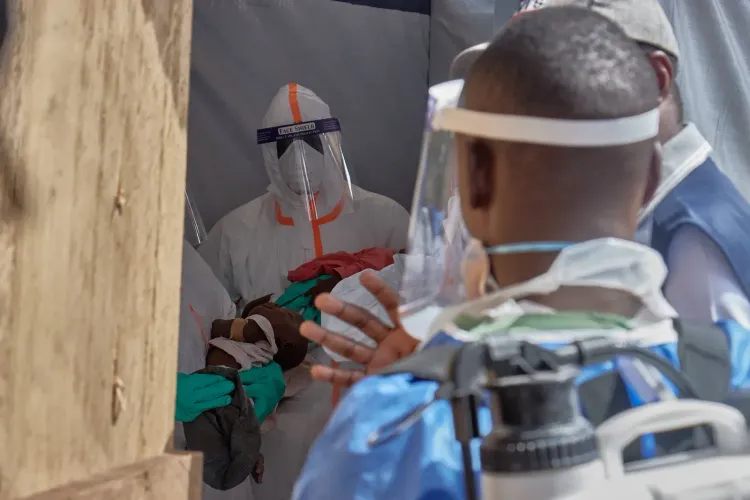
Synopsis
The DRC's 17th Ebola outbreak has crossed 710 confirmed cases with 149 deaths — and the WHO says the real toll is likely higher. With a $21.5 million funding gap, no vaccine for the Bundibugyo strain, and the virus spreading across three provinces into displaced-person camps, this is shaping up to be one of the country's most operationally complex outbreaks since 1976.
Key Takeaways
The DRC has recorded 710 confirmed Ebola cases and 149 deaths as of 14 June 2026 , with a case fatality rate of 21.0 percent .
The WHO warns the fatality rate is likely an underestimation, as pre-declaration deaths remain under investigation.
324 patients are currently isolated or hospitalised; only 35 have recovered.
The DRC health ministry denied social media claims of a nationwide lockdown and urged reliance on official channels.
A $21.5 million funding gap and shortages of infection-control materials in North Kivu are hampering the response.
This is the DRC's 17th Ebola outbreak since 1976 ; the Bundibugyo strain has no approved vaccine or treatment.
The Democratic Republic of the Congo (DRC) has recorded 710 confirmed Ebola cases, including 149 deaths, as of 14 June 2026, the country's health ministry confirmed, while firmly rejecting social media claims that a nationwide lockdown had been imposed in response to the worsening outbreak. The case fatality rate stands at 21.0 percent, though the World Health Organization (WHO) has cautioned that this figure is likely an underestimation.
Current Outbreak at a Glance
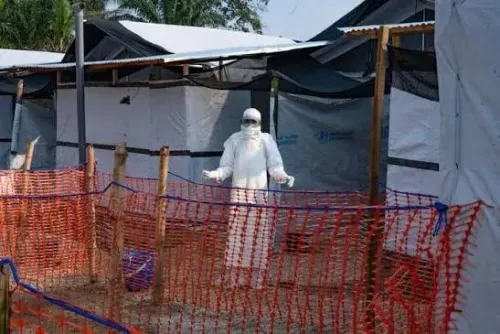
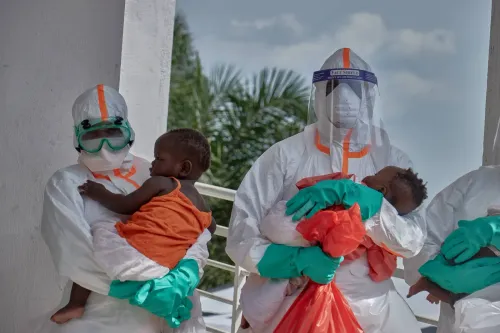
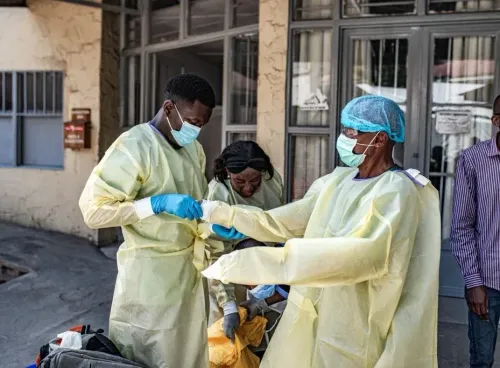
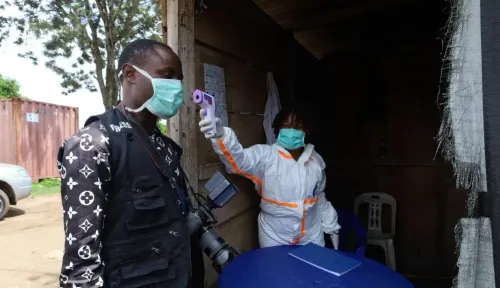
Of the 710 confirmed cases, 324 patients are currently in isolation or hospitalised, while only 35 have recovered. The DRC health ministry said response teams are actively conducting epidemiological surveillance, patient care, contact tracing, targeted vaccination, risk communication, and community engagement across affected areas.
The WHO noted in a disease outbreak update published on Saturday that the situation continues to evolve rapidly, with rising case numbers and expanding geographic spread. The agency added that deaths occurring before the outbreak was formally declared on 15 May 2026 remain under investigation, meaning the true fatality count could be higher than reported.
No Lockdown Ordered, Ministry Clarifies
The DRC health ministry categorically stated that no lockdown has been ordered in any affected area and that no such measure is under consideration. Authorities urged the public to rely exclusively on official channels for updates and to refrain from circulating unverified information, as misinformation risks undermining community cooperation with response teams on the ground.
Operational Challenges and Funding Gap
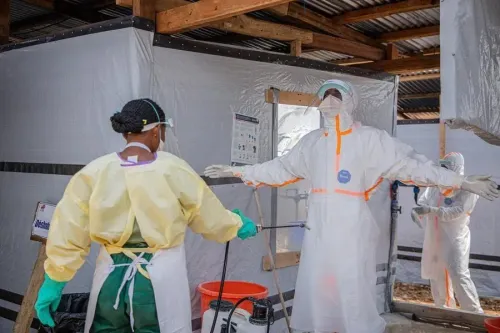
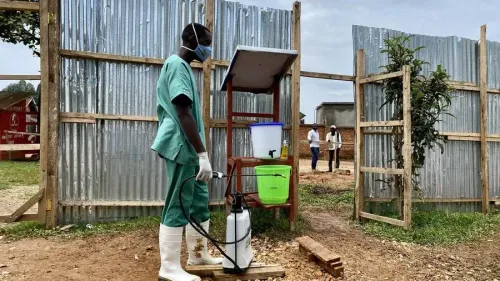
A report released earlier this week flagged several critical operational hurdles, including community reluctance to undergo post-mortem swabbing, insufficient capacity at Ebola Treatment Centres, shortages of infection prevention and control materials in North Kivu, weak alert reporting across three provinces, and a funding shortfall of $21.5 million.
Separately, the United Nations High Commissioner for Refugees (UNHCR) reported two Ebola-related deaths in a camp for internally displaced persons in Ituri — a development that underscores the heightened vulnerability of displaced populations in conflict-affected zones.
Context: DRC's 17th Ebola Outbreak
The current outbreak is the DRC's 17th since the Ebola virus was first identified in 1976. The strain involved is the Bundibugyo species, for which no approved vaccine or specific treatment currently exists, though clinical trials of promising candidates are ongoing. The outbreak was simultaneously confirmed in Uganda in May 2026, compounding regional concern.
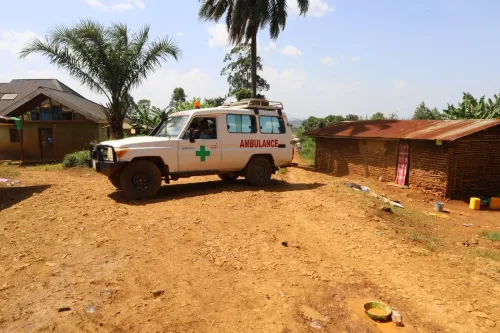
The outbreak is unfolding in an acutely difficult environment: a protracted humanitarian crisis, remote and densely populated geography, active insecurity, and high levels of cross-border population and trade movement — all of which complicate containment efforts. The government, provincial authorities, response partners, and local communities are continuing coordinated public health interventions aimed at breaking chains of transmission.
With the funding gap unresolved and geographic spread continuing, the trajectory of this outbreak will depend heavily on whether international support can be mobilised in the coming weeks.
Point of View
Which became the second-deadliest Ebola event in history partly because of chronic underfunding and insecurity. The simultaneous confirmation in Uganda raises cross-border containment questions that neither Kinshasa nor Kampala can answer alone.
NationPress
13 Sept 2026
Frequently Asked Questions
How many Ebola cases and deaths have been reported in the DRC as of June 2026?
As of 14 June 2026, the DRC has recorded 710 confirmed Ebola cases and 149 deaths, with a case fatality rate of 21.0 percent. The WHO has cautioned that this figure is likely an underestimation, as deaths before the outbreak was officially declared on 15 May 2026 are still under investigation.
Has the DRC government imposed a lockdown due to the Ebola outbreak?
No. The DRC health ministry has categorically stated that no lockdown has been ordered in any affected area and that no such measure is under consideration. Authorities have urged the public not to spread unverified information and to consult only official channels for updates.
What is the Bundibugyo Ebola strain and why is it particularly concerning?
The Bundibugyo species of Ebola is one for which no approved vaccine or specific treatment currently exists, unlike the Zaire strain targeted by the rVSV-ZEBOV vaccine used in previous outbreaks. Clinical trials of promising candidates are ongoing, but the absence of a licensed countermeasure significantly limits the response toolkit.
What operational challenges are hampering the Ebola response in the DRC?
Key challenges include community reluctance to undergo post-mortem swabbing, insufficient capacity at Ebola Treatment Centres, shortages of infection prevention and control materials in North Kivu, weak alert reporting across three affected provinces, and a funding gap of $21.5 million. Two deaths have also been reported in an internally displaced persons camp in Ituri.
Is this the first Ebola outbreak in the DRC?
No. The current outbreak, declared on 15 May 2026, is the DRC's 17th Ebola outbreak since the virus was first identified in 1976. The outbreak has also been confirmed in neighbouring Uganda, raising regional containment concerns.