Congo Ebola outbreak 2025: 101 confirmed cases, 200+ deaths as Bundibugyo strain spreads
Synopsis
The DRC’s latest Ebola outbreak, caused by the rare Bundibugyo strain for which no approved vaccine exists, has reached 101 confirmed cases and an estimated 200–220 deaths — and authorities say they are still at the beginning. With a confirmed case now in conflict-held Goma and patient zero still unidentified, the window for containment is narrowing fast.
Key Takeaways
DR Congo has recorded 101 confirmed Ebola cases and around 1,000 suspected cases as of 27 May 2025 .
An estimated 200 to 220 deaths are believed linked to the outbreak; 17 deaths confirmed by laboratory testing.
The outbreak is caused by the Bundibugyo strain of Ebola, for which there is no approved vaccine or specific treatment .
The epicentre is Bunia, Ituri Province ; civilian passenger flights to and from Bunia have been suspended .
A confirmed Ebola patient is recovering in Goma , a city under M23 rebel control , according to the WHO .
Health Minister Roger Kamba says the response operation is expected to last four to six months .
The Democratic Republic of the Congo (DRC) is battling a rising Ebola outbreak caused by the rare Bundibugyo strain, with 101 confirmed cases and an estimated 200 to 220 deaths believed linked to the disease, Health Minister Roger Kamba said on 27 May 2025. Authorities have identified around 1,000 suspected cases in affected areas, though only 17 deaths have so far been confirmed through laboratory testing.
Where the Outbreak Stands
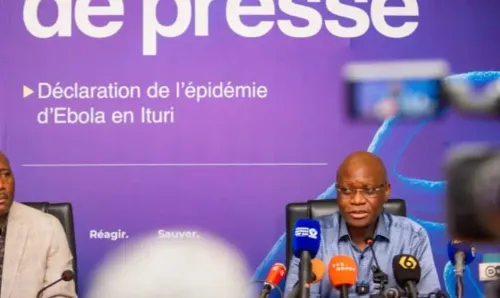
Kamba, speaking at a press conference, described the situation as still being in its early phase. “We are still at the beginning of an epidemic,” he said, cautioning that how long the current growth phase lasts will depend entirely on the effectiveness of the response. Authorities have launched a response operation projected to run between four and six months.
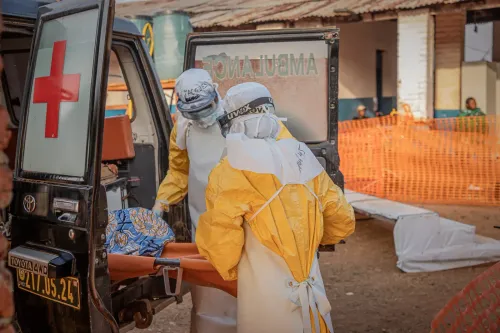
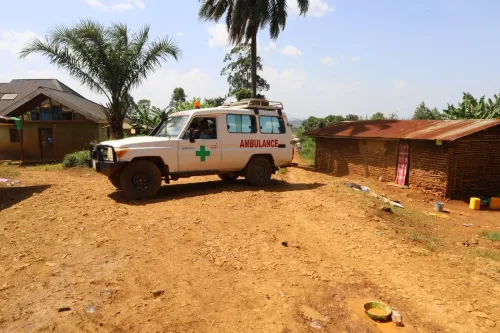
The epicentre of the outbreak is Bunia, the capital of Ituri Province in eastern DRC. On Saturday, the government suspended civilian passenger flights to and from Bunia, while humanitarian flights have been allowed to continue, according to reports. The outbreak was officially declared on 15 May 2025, though Kamba noted the virus may have been circulating earlier, given Ebola’s incubation period of up to 21 days. Health authorities have yet to identify “patient zero.”
The Bundibugyo Strain: What Makes It Different
The current outbreak is caused by the Bundibugyo strain of Ebola, which Kamba described as less lethal than the more commonly known Zaire strain. However, he stressed it remains dangerous if infections continue to climb. Critically, there is currently no approved vaccine or specific treatment for Bundibugyo Ebola, unlike the Zaire strain for which licensed vaccines exist.
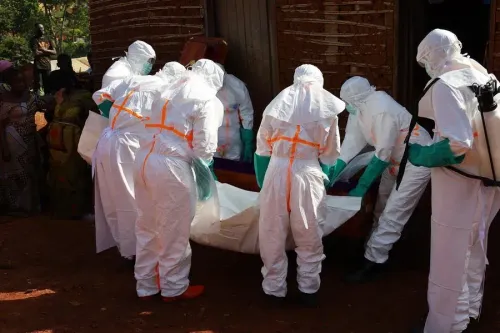
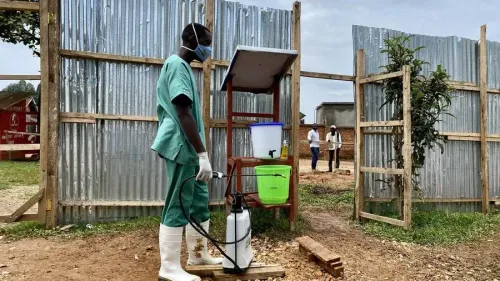
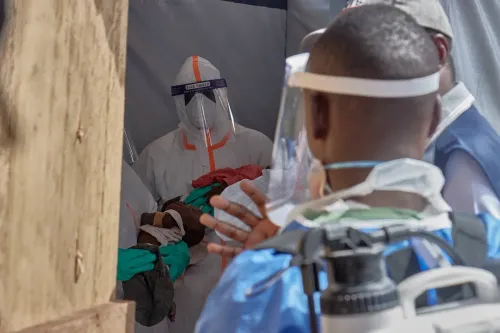
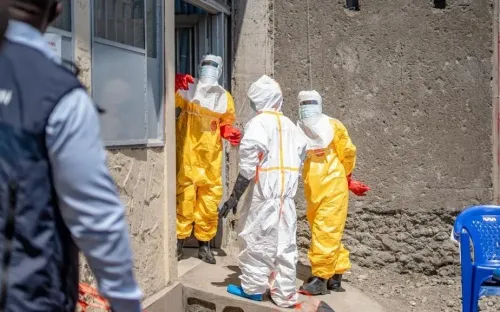
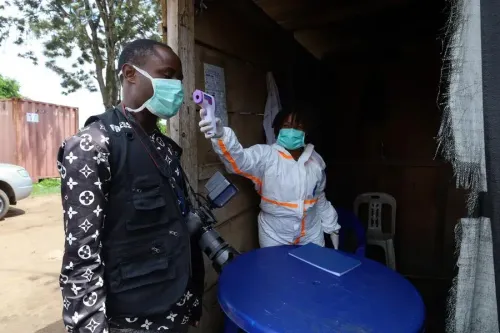
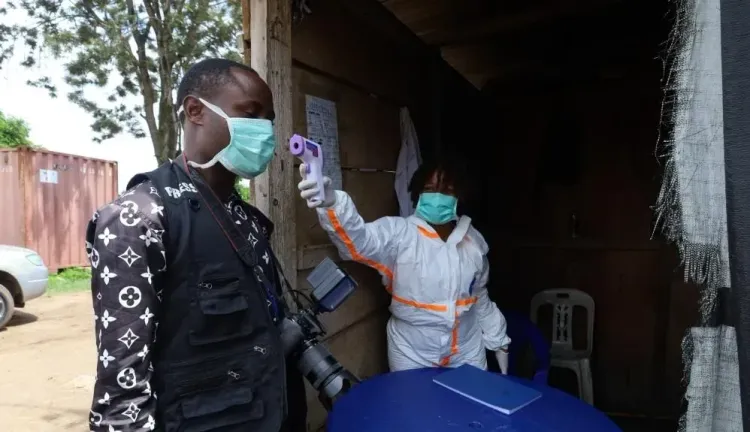
This distinction matters for the response strategy. Without a vaccine rollout option, authorities are relying on a combination of surveillance, testing, isolation, contact tracing, community engagement, and safe burial practices to contain transmission.
WHO Response and the Goma Case
The World Health Organization (WHO) confirmed on 26 May 2025 that a patient diagnosed with Ebola virus disease is recovering at a hospital in Goma, an eastern DRC city currently under the control of the March 23 Movement (M23) rebel group. Anne Ancia, WHO’s acting representative in the DRC, made the remarks during a visit to the city.
Ancia described the confirmed patient’s condition as “very positive,” with contacts being “monitored regularly.” She said discussions in Goma centred on reinforcing surveillance, case management, contact tracing, and community engagement. The presence of a confirmed case in a conflict-affected urban centre like Goma adds a layer of complexity to containment efforts.
Historical Context and What Comes Next
The DRC has experienced more Ebola outbreaks than any other country in the world, including the devastating 2018–2020 North Kivu outbreak — the second-largest in history — which killed over 2,200 people. The Bundibugyo strain was first identified in Uganda in 2007 and has caused fewer outbreaks than Zaire, but the absence of an approved vaccine makes each resurgence particularly challenging.
With the response operation now underway, health authorities and international partners face a race against a virus that was likely spreading undetected for weeks before the official declaration. The coming weeks will be critical in determining whether containment measures can flatten the curve of new infections.
Point of View
Yet each outbreak still catches the response architecture partially off-guard. The Bundibugyo strain’s vaccine gap is the single most alarming structural fact here — it means the playbook that worked in North Kivu in 2018–2020 cannot simply be replicated. A confirmed case in Goma, a densely populated city under rebel control, is precisely the scenario that turns a containable outbreak into a regional emergency. The international community should not wait for exponential case growth before scaling up; the DRC’s own response capacity has historically been overwhelmed at that point.
NationPress
11 Oct 2026
Frequently Asked Questions
How many Ebola cases and deaths have been confirmed in DR Congo in 2025?
As of 27 May 2025, the DRC has confirmed 101 positive Ebola cases out of around 1,000 suspected cases. An estimated 200 to 220 deaths are believed linked to the outbreak, though only 17 have been confirmed through laboratory testing.
What is the Bundibugyo strain of Ebola and why does it matter?
The Bundibugyo strain is a rare variant of the Ebola virus first identified in Uganda in 2007. Unlike the Zaire strain, there is currently no approved vaccine or specific treatment for it, making containment entirely dependent on surveillance, isolation, and contact tracing.
Where is the Ebola outbreak centred in DR Congo?
The epicentre is Bunia, the capital of Ituri Province in eastern DRC. The government has suspended civilian passenger flights to and from Bunia to limit the spread, while humanitarian flights continue.
Is Ebola spreading to other cities in DRC?
Yes. The WHO confirmed on 26 May 2025 that a patient diagnosed with Ebola is recovering in Goma, an eastern DRC city under M23 rebel control. WHO’s acting representative said contacts are being monitored and response measures are being strengthened there.
How long will the DRC Ebola response operation last?
Health Minister Roger Kamba said the response operation is expected to last between four and six months. He also noted the virus may have been circulating before the outbreak was officially declared on 15 May 2025, and that patient zero has not yet been identified.