Amit Shah Flags Off 155 Electric BRTS-AMTS Buses for Ahmedabad
Synopsis
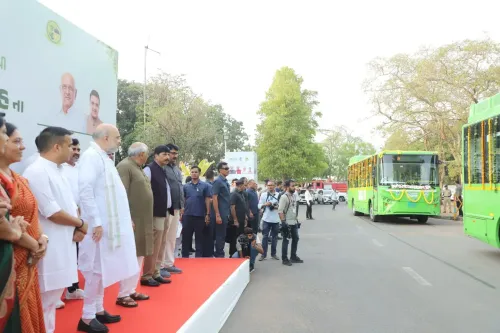
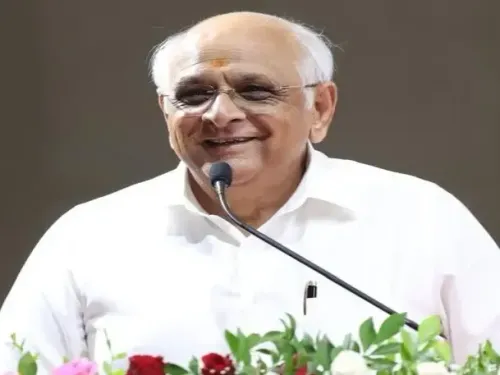
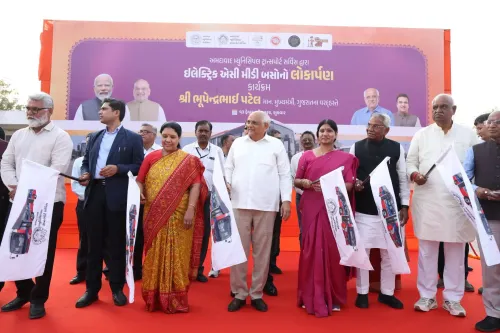
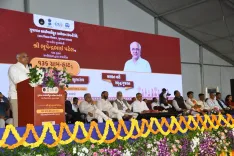
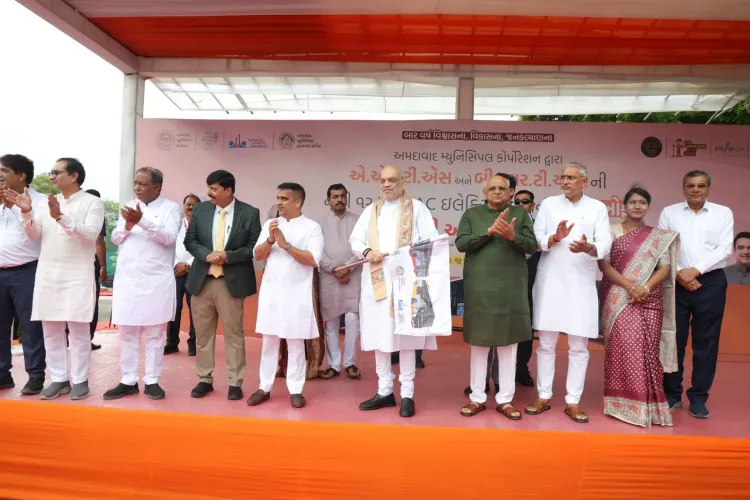
Union Home Minister Amit Shah flagged off 155 new electric BRTS-AMTS buses for Ahmedabad on 12 July 2026, in a ceremony attended by Chief Minister Bhupendra Patel and the Deputy Chief Minister. The launch advances Gujarat's fleet electrification drive under central and state EV policy frameworks.
Key Takeaways
155 new electric buses were flagged off for Ahmedabad 's combined BRTS-AMTS public transport network on 12 July 2026 .
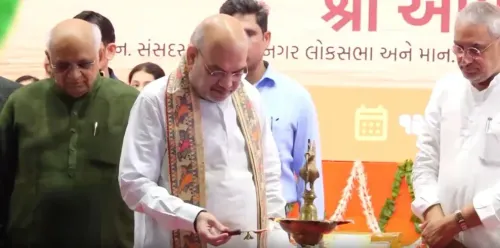
Union Minister Amit Shah performed the flag-off in the presence of CM Bhupendra Patel and the Deputy Chief Minister.
Ahmedabad Janmarg BRTS , launched in 2009 , is India's first dedicated corridor-based bus rapid transit system.
The launch aligns with the Government of India's FAME scheme (2015) and Gujarat's EV Policy (2021) .
The new electric fleet is expected to cut urban emissions and lower per-kilometre operating costs for the transport operator.
Future steps include integration with the Ahmedabad Metro and phased induction of additional electric buses.
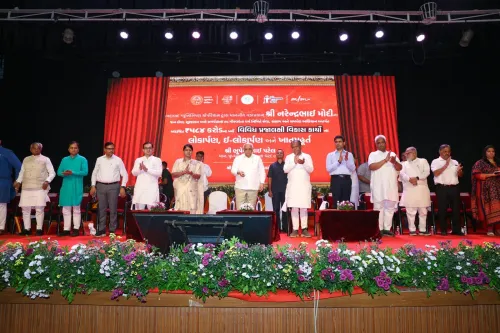
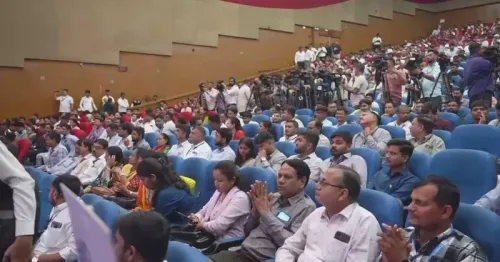
The Chief Minister's Office of Gujarat announced on Sunday, 12 July 2026 that Union Home and Cooperation Minister Amit Shah flagged off and dedicated 155 new electric BRTS-AMTS buses to the city of Ahmedabad, in a ceremony attended by Chief Minister Bhupendra Patel, the Deputy Chief Minister, and other dignitaries.
The CMO Gujarat post, originally in Gujarati, states: 'માનનીય કેન્દ્રીય ગૃહ તથા સહકારિતા મંત્રીશ્રીએ મુખ્યમંત્રીશ્રી, નાયબ મુખ્યમંત્રીશ્રી તેમજ અન્ય મહાનુભાવોની ઉપસ્થિતિમાં અમદાવાદ શહેર માટે નવી 155 ઇલેક્ટ્રિક BRTS-AMTS બસોને ફ્લેગ-ઓફ કરાવી લોકાર્પણ કર્યું હતું.' — 'The honourable Union Minister of Home Affairs and Cooperation flagged off and dedicated 155 new electric BRTS-AMTS buses for the city of Ahmedabad in the presence of the Chief Minister, the Deputy Chief Minister, and other dignitaries.'
Context
Ahmedabad is home to India's first dedicated corridor-based Bus Rapid Transit System, Janmarg BRTS, which began operations in 2009. The city's public transport network combines BRTS corridors with the older Ahmedabad Municipal Transport Service (AMTS) bus network, together serving millions of daily commuters across the metropolitan area. The induction of 155 electric buses marks a significant single-event addition to this combined fleet.
Policy Backdrop
The electrification push draws on two overlapping policy frameworks. The Government of India's FAME (Faster Adoption and Manufacturing of Electric Vehicles) scheme, launched in 2015, has channelled central funding towards electric buses in urban transit systems. Gujarat's own Electric Vehicle Policy, notified in 2021, added state-level incentives covering electric buses and charging infrastructure, making Gujarat one of the early movers among large states on fleet electrification.
Together, these frameworks have enabled urban local bodies and transport corporations in Gujarat to accelerate the replacement of diesel buses with zero-tailpipe-emission alternatives, aligning with India's Nationally Determined Contribution targets under the Paris Agreement.
Stakeholders and Impact
The primary beneficiaries are Ahmedabad's daily commuters, who stand to gain from quieter, lower-emission buses on BRTS corridors and AMTS routes. Electric buses also reduce long-run operational costs for the transport operator, as electricity costs per kilometre are substantially lower than diesel. For the AMTS and Janmarg BRTS operators, the new fleet modernises ageing rolling stock and improves service reliability.
The flag-off by Amit Shah — himself a long-standing BJP leader from Gujarat — lends political weight to the launch, signalling central government endorsement of the state's urban mobility agenda. The presence of CM Bhupendra Patel and the Deputy Chief Minister underscores the state government's ownership of the initiative.
What's Next
Attention will now turn to the phased induction of further electric buses and the build-out of charging infrastructure across Ahmedabad's depots. Integration with the expanding Ahmedabad Metro network is a key operational goal, as multimodal connectivity is central to the city's long-term urban transport master plan. Ridership data and charger utilisation metrics from this initial batch will inform future procurement decisions for both BRTS and AMTS routes.
Point of View
And a high-profile launch anchored by Amit Shah reinforces that positioning. The choice of Ahmedabad — already home to India's oldest BRTS network — signals that the government intends to deepen investment in proven corridors rather than scatter resources across new cities. Whether the operational and charging infrastructure can keep pace with fleet expansion will be the real test of this policy's credibility.
NationPress
10 Oct 2026
Frequently Asked Questions
What is the BRTS-AMTS electric bus launch in Ahmedabad about?
On 12 July 2026 , Union Home Minister Amit Shah flagged off 155 new electric buses for Ahmedabad 's BRTS and AMTS public transport network, in a ceremony attended by Chief Minister Bhupendra Patel and other senior officials.
What is Ahmedabad Janmarg BRTS?
Ahmedabad Janmarg BRTS is India's first dedicated corridor-based Bus Rapid Transit System, launched in 2009 . It operates on dedicated lanes across the city and is complemented by the older AMTS city bus network.
What central scheme funds electric buses in Indian cities?
The Government of India's FAME (Faster Adoption and Manufacturing of Electric Vehicles) scheme , launched in 2015 , provides central funding to support electric bus procurement by urban transport bodies across India.
What is Gujarat's Electric Vehicle Policy?
Gujarat notified its Electric Vehicle Policy in 2021 , offering state-level incentives for electric buses, private EVs, and charging infrastructure, positioning the state as an early mover on fleet electrification among large Indian states.
How does this bus launch affect Ahmedabad commuters?
The 155 new electric buses will expand and modernise the fleet on BRTS and AMTS routes , offering commuters quieter, lower-emission travel while reducing long-run operating costs for the transport authority.