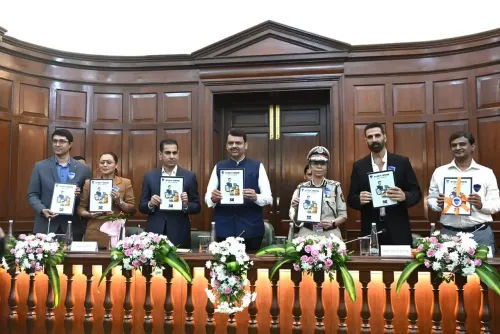
Fadnavis launches cyber fraud awareness drive, urges citizens to dial 1930

Synopsis
Maharashtra CM Devendra Fadnavis launched a 42-minute film and celebrity-fronted social media campaign to combat 'digital arrest' scams — a fast-growing fraud tactic where criminals impersonate CBI officers and judges on video calls. The central message: dial 1930 immediately, because a few days' delay can make recovery of stolen funds nearly impossible.
Key Takeaways
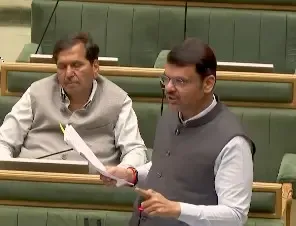
Maharashtra CM Devendra Fadnavis addressed a public awareness event by Maharashtra Cyber in Mumbai on 26 August .
He launched a 42-minute short film titled 'Digital Arrest' and the '1930 Maharashtra Cyber Anthem' as part of a statewide multimedia campaign.
Citizens must dial 1930 immediately upon suspecting fraud — delays of 3 to 15 days allow criminals to move funds across accounts, making recovery nearly impossible.
Common scam tactics include impersonating CBI officers , judges, and police — often using fake courtroom setups on video calls.
Emerging threats include voice cloning , deepfakes , and AI-manipulated media ; upcoming tools include the Maharashtra Cyber Safe App and the 'Asha' Call Bot .
There is legally and practically 'no such thing as digital arrest' , Fadnavis stated.
Maharashtra Chief Minister Devendra Fadnavis on Wednesday, 26 August urged citizens across the state to immediately dial 1930 upon suspecting cyber fraud, warning that delays of even a few days can make recovery of stolen funds nearly impossible. Speaking at a public awareness event organised by Maharashtra Cyber in Mumbai, Fadnavis stressed that there is legally and practically 'no such thing as digital arrest' — a term being weaponised by fraud syndicates to psychologically coerce victims.
What the Awareness Campaign Covers
The Chief Minister launched a multimedia campaign anchored by a 42-minute short film titled 'Digital Arrest' and the '1930 Maharashtra Cyber Anthem'. The drive also includes shorter clips and social media reels featuring popular celebrities, designed to reach households across Maharashtra. The campaign targets the most common scam tactics: impersonation of Central Bureau of Investigation (CBI) personnel, judges, and law enforcement officers — often using simulated courtroom setups or uniform-clad actors on video calls to intimidate victims into compliance.
The 'Golden Hour' — Why Speed Matters
Fadnavis emphasised that the period immediately after a cyber fraud incident — referred to as the 'Golden Hour' — is decisive. Reporting within this window significantly raises the chances of freezing or recovering the defrauded amount. When victims delay reporting by three to fifteen days, criminals are able to route stolen money through multiple accounts, making recovery extremely difficult. 'Citizens must dial 1930 without delay as soon as they suspect fraud,' he said.
Rising Threats: AI, Deepfakes, and Voice Cloning
The Chief Minister acknowledged that the threat landscape is evolving rapidly. Scammers now routinely deploy voice cloning, deepfakes, and AI-manipulated media to make fraudulent communications appear credible. Common entry points include OTP fraud, fake parcel-delivery calls claiming drugs were found in a shipment, and impersonation of officials. Fadnavis praised Maharashtra Cyber's proactive approach in monitoring and mitigating these emerging risks.
Upcoming Tech Initiatives from Maharashtra Cyber
Yashasvi Yadav, Head of the Maharashtra Cyber Cell, presented upcoming initiatives at the event, including the Maharashtra Cyber Safe App and the 'Asha' Call Bot — tools aimed at streamlining citizen reporting and early fraud detection. Fadnavis also felicitated the artists who contributed to the awareness campaign, noting that public engagement is as critical as police technology upgrades in combating cybercrime.
The Broader Context
As mobile banking, digital payments, and government service portals become central to daily life in India, public vulnerability to cyber threats has grown sharply. This campaign is part of a wider national push — Prime Minister Narendra Modi had earlier flagged 'digital arrest' scams as a serious concern during his Mann Ki Baat address. Maharashtra's statewide multimedia blitz signals that awareness, not just enforcement, is now a core pillar of the state's cybercrime strategy. Whether the campaign translates into measurable reductions in fraud-related losses will depend on how effectively it reaches first-time digital users in smaller towns and rural areas.
Point of View
And past cybercrime helpline campaigns have shown limited recall outside metros. The real test will be whether Maharashtra Cyber can track call volumes against reported fraud losses and close the loop. A 42-minute film is a headline; a measurable drop in fraud victims is the outcome that matters.
NationPress
26 Aug 2026
Frequently Asked Questions
What is a 'digital arrest' scam?
A 'digital arrest' scam is a fraud tactic where criminals impersonate law enforcement officers, CBI personnel, or judges — often using simulated courtroom setups or uniformed actors on video calls — to psychologically coerce victims into transferring money. Maharashtra CM Devendra Fadnavis has clarified that 'digital arrest' has no legal basis whatsoever.
Why should I call 1930 immediately after cyber fraud?
Calling 1930 during the 'Golden Hour' immediately after a fraud significantly increases the chances of freezing or recovering stolen funds. Delays of three to fifteen days allow criminals to route money through multiple accounts, making recovery extremely difficult.
What is the Maharashtra Cyber awareness campaign launched on 26 August?
It is a statewide multimedia drive launched by CM Fadnavis, comprising a 42-minute short film titled 'Digital Arrest', the '1930 Maharashtra Cyber Anthem', and shorter social media reels featuring celebrities. The campaign aims to educate citizens about cyber fraud tactics and the importance of prompt reporting.
What new tools is Maharashtra Cyber introducing to fight cybercrime?
Maharashtra Cyber is developing the Maharashtra Cyber Safe App and the 'Asha' Call Bot, both aimed at making it easier for citizens to report fraud and enabling early detection. These were presented by Yashasvi Yadav, Head of the Maharashtra Cyber Cell, at the 26 August event.
What are the most common cyber fraud tactics targeting citizens today?
Common tactics include impersonating CBI officers, police, or judges on video calls using fake courtroom backdrops, OTP fraud, fake parcel-delivery calls alleging drug seizures, and increasingly, AI-powered voice cloning and deepfakes. Criminals exploit fear and urgency to pressure victims into compliance before they can verify the caller's identity.