Ebola outbreak spreads to Uganda as DRC cases hit 515, WHO warns
Synopsis
The Ebola outbreak in the DRC has crossed into Uganda, with WHO rating the risk 'very high' for Congo and 'high' for its neighbours. With 515 DRC cases and secondary transmission already confirmed among Ugandan healthcare workers, the window to contain this before it widens further is narrowing fast.
Key Takeaways
WHO has declared the Ebola outbreak in the DRC a rapidly expanding crisis, with 515 confirmed cases and 91 deaths as of 8 June .
Uganda has reported 19 confirmed cases , including 2 deaths and one probable fatal case, all linked to the DRC outbreak.
WHO rates risk as very high for DRC, high for Uganda and border-sharing neighbours.
The outbreak is caused by the Bundibugyo strain of Ebola, officially declared on 15 May .
Africa CDC and WHO launched a joint response plan on 5 June , seeking $518 million in funding.
Secondary transmission among healthcare workers in Uganda has been confirmed, raising containment concerns.
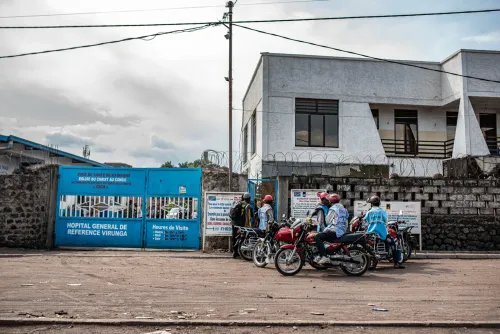
The World Health Organization (WHO) has warned that the Ebola outbreak in the Democratic Republic of the Congo (DRC) is expanding rapidly, with 515 confirmed cases and 91 deaths recorded as of Sunday, 8 June. The crisis has now crossed borders, with Uganda reporting 19 confirmed cases, including two deaths and one probable fatal case — all epidemiologically linked to the DRC outbreak.
WHO Risk Assessment
WHO currently rates the risk as very high for the DRC, high for Uganda and neighbouring countries sharing land borders with affected areas, and low for the rest of the African region and globally. All cases detected in Uganda show evidence of both imported infections and secondary transmission among close contacts and healthcare workers, indicating active local spread beyond the initial border crossings.
About the Bundibugyo Strain
The current outbreak, officially declared on 15 May, is caused by the Bundibugyo virus disease (BVD) — a severe and often fatal form of Ebola disease. The Bundibugyo strain is less common than the Zaire strain responsible for several previous large outbreaks, but it remains capable of causing serious illness and death. The virus is believed to originate in fruit bats and spreads through close contact with the blood, secretions, or bodily fluids of infected animals or people. The incubation period ranges from 2 to 21 days, and infected individuals are not contagious until symptoms appear.
International Response and Funding
National authorities in the DRC and Uganda are working alongside WHO and partners to contain the spread. On 5 June, the Africa Centres for Disease Control and Prevention (Africa CDC) and WHO jointly launched a continental Ebola preparedness and response plan. The initiative is seeking $518 million to support African countries in preparing for, detecting, and responding to the outbreak — a signal of the scale of international concern.
Historical Context
Ebola disease was first identified in 1976 in near-simultaneous outbreaks in what is now the DRC and South Sudan. It is caused by orthoebolaviruses, members of the Filoviridae family, and affects both humans and other primates. This is not the first time an outbreak has crossed from the DRC into Uganda — the two countries share a porous border and have seen cross-border transmission in previous outbreaks as well. Notably, the DRC has experienced more Ebola outbreaks than any other country in the world.
What Happens Next
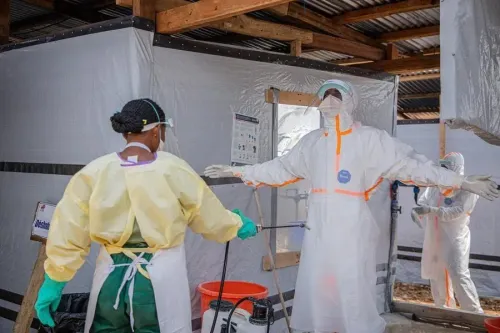
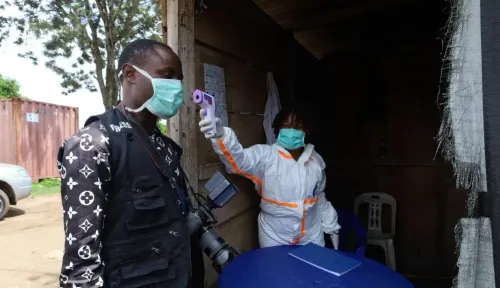
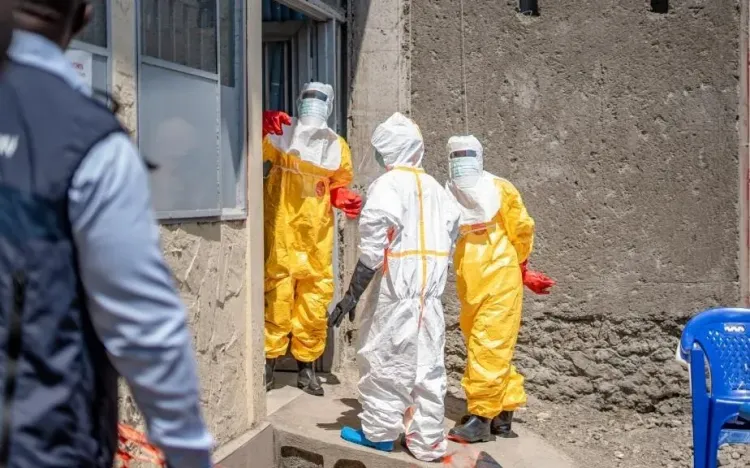
Health authorities are prioritising contact tracing, healthcare worker protection, and community engagement in affected zones. The cross-border transmission to Uganda raises the stakes considerably, as Uganda's healthcare infrastructure, while relatively stronger than the DRC's, has limited surge capacity. WHO and Africa CDC are expected to scale up field operations as the joint response plan moves into implementation.
Point of View
Yet the funding gap in cross-border surveillance has never been fully closed. The $518 million ask from Africa CDC and WHO is substantial, but the speed at which secondary transmission has reached Ugandan healthcare workers suggests that the containment window is already under pressure. The Bundibugyo strain's lower profile compared to Zaire may paradoxically work against a swift global response — donor fatigue and the 'less deadly' framing could slow the financial and political urgency this outbreak demands.
NationPress
24 Oct 2026
Frequently Asked Questions
How many Ebola cases have been confirmed in the DRC and Uganda?
As of 8 June, the DRC has reported 515 confirmed cases and 91 deaths. Uganda has reported 19 confirmed cases, including two deaths and one probable fatal case, all linked to the DRC outbreak.
What is Bundibugyo virus disease and how does it differ from other Ebola strains?
Bundibugyo virus disease (BVD) is a severe, often fatal form of Ebola caused by the Bundibugyo strain of the Ebola virus. It is less common than the Zaire strain responsible for several previous large outbreaks, but still causes serious illness. The virus spreads through contact with the bodily fluids of infected people or animals, and the incubation period is 2 to 21 days.
Why has Ebola spread from DRC to Uganda?
All confirmed cases in Uganda are epidemiologically linked to the DRC outbreak, with both imported infections and secondary transmission among contacts and healthcare workers identified. The two countries share a land border with significant cross-border movement, which has historically facilitated transmission in past outbreaks.
What is the WHO's current risk assessment for the Ebola outbreak?
WHO rates the risk as very high for the DRC, high for Uganda and neighbouring countries sharing land borders with affected areas, and low for the rest of the African region and globally.
What international response is underway for the Ebola outbreak?
On 5 June, Africa CDC and WHO jointly launched a continental Ebola preparedness and response plan seeking $518 million to help African countries prepare for, detect, and respond to the outbreak. National authorities in both DRC and Uganda are also implementing containment measures with WHO support.