DRC Ebola epidemic now second-largest ever, WHO warns of high spread risk
Synopsis
The DRC Bundibugyo Ebola outbreak has become the second-largest in recorded history — nearly 5,000 infected, 2,300 dead — and WHO chief Tedros is sounding the alarm: the virus is moving faster than any previous Ebola outbreak, it has already reached France, and deaths are happening outside treatment centres in chains that responders have not yet found.
Key Takeaways
The DRC Bundibugyo Ebola outbreak is now the second-largest Ebola epidemic ever recorded , with nearly 5,000 infections and more than 2,300 deaths .
The epidemic spans six provinces and 55 health zones , three months after being declared a public health emergency of international concern .
WHO Director-General Tedros Adhanom Ghebreyesus called the spread 'unprecedented' — faster than any previous Ebola outbreak.
The virus was detected in France in an international traveller, confirming cross-border spread beyond Africa.
For the first time, two vaccines targeting Bundibugyo virus have entered human trials; a third is advancing to phase-three testing .
There is currently no approved vaccine or treatment for Bundibugyo Ebola virus disease, which was declared by DRC on 15 May .
World Health Organisation (WHO) Director-General Tedros Adhanom Ghebreyesus warned on Tuesday, 18 August that the Bundibugyo virus disease epidemic in the Democratic Republic of the Congo (DRC) poses a 'high' risk of further spread — both within the country and across international borders — as the outbreak has become the second-largest Ebola epidemic ever recorded. Nearly 5,000 people have been infected and more than 2,300 have died across six provinces and 55 health zones since the outbreak was declared a public health emergency of international concern three months ago.
Scale and Speed of the Outbreak
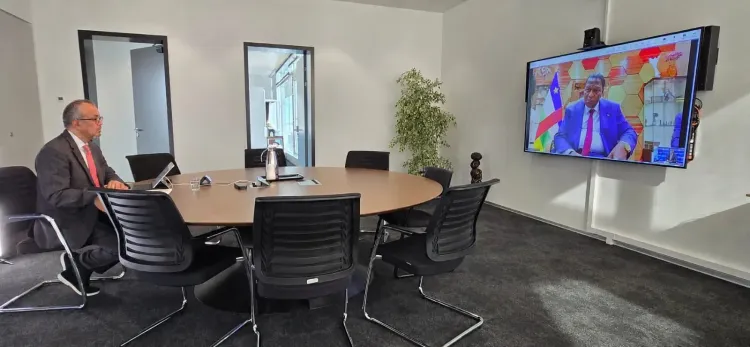
Tedros, speaking at the opening of the second meeting of the emergency committee convened under the International Health Regulations (IHR), described the pace of transmission as 'unprecedented.' He said the virus is spreading faster than any previous Ebola outbreak, driven by insecurity, displacement, and intense population movement along roads, rivers, and mining routes.
'The epidemic is far from being under control,' Tedros told committee members, who included representatives from the DRC, Uganda, and France. 'It had a big head start, and we are still playing catch-up,' he said.
Deaths Outside Treatment Centres: The Hidden Chains
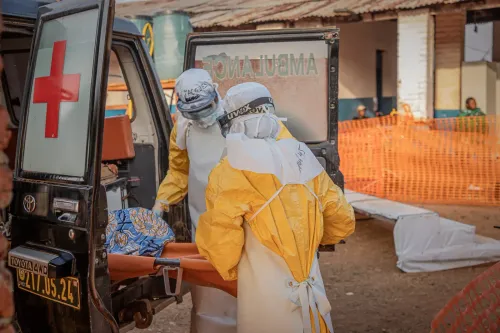
Tedros flagged that a significant number of deaths are occurring at home and in communities — outside formal treatment centres and among individuals not on known contact lists. He called this the outbreak's most dangerous dimension.
'Every death like that points to a chain of transmission we have not yet found. Until every chain is found and broken, the epidemic will continue,' he said. This pattern of community-level deaths makes contact tracing exponentially harder and signals that official case counts may understate the true scale.
Cross-Border Spread: Uganda and France
Uganda successfully halted transmission following an initial spillover — a response Tedros commended. However, the virus was recently detected in France in an international traveller, underscoring the real risk of global spread.
'Borders may slow a response; they do not stop a virus,' Tedros warned. The detection in France — a high-income country with robust health infrastructure — illustrates that no geography is insulated from a fast-moving outbreak of this scale.
Response Efforts and Vaccine Trials
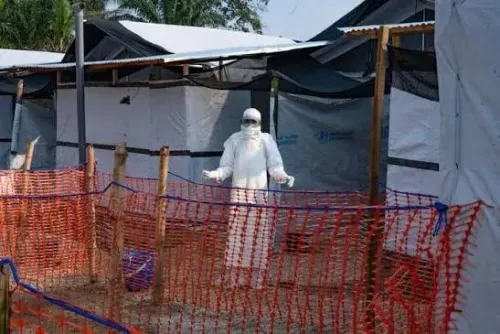
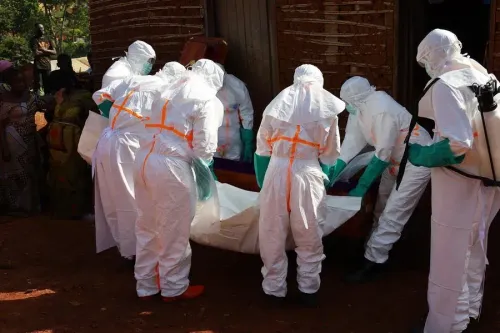
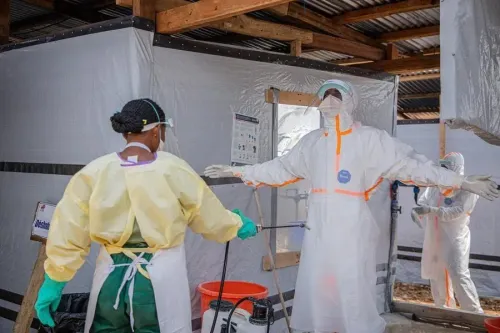
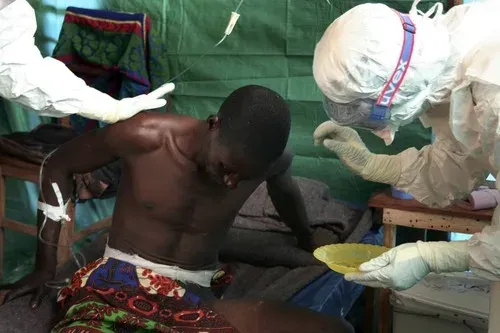
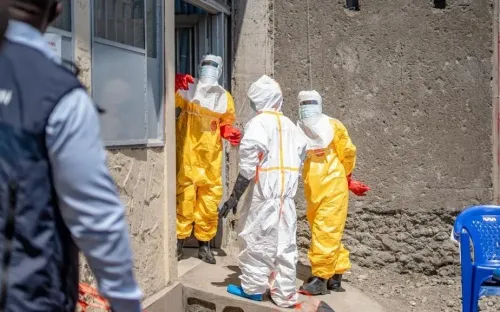
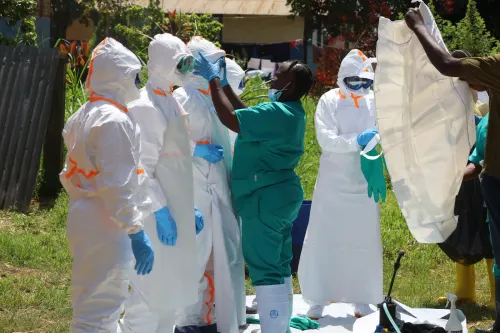
The WHO, Africa Centres for Disease Control and Prevention, the DRC government, and partner organisations are scaling up community-based surveillance, expanding treatment capacity, supporting safe burials, and strengthening community engagement. Critically, for the first time, two vaccines specifically designed against the Bundibugyo virus have entered human trials. A separate cross-protective vaccine is advancing toward phase-three testing. The WHO-sponsored PARTNERS treatment trial has enrolled 100 patients.
The Bundibugyo Ebola virus disease outbreak — for which there is currently no approved vaccine or treatment — was formally declared by DRC authorities on 15 May.
What WHO Says Is Still Urgently Needed
Tedros called for faster data sharing, stronger surveillance, sustained financing, improved access and security, and closer cross-border coordination. He also cautioned against allowing the Ebola response to crowd out essential health services for other major threats, including malaria, cholera, pneumonia, and maternal mortality. With the emergency committee now in its second meeting, the coming weeks will be critical in determining whether the outbreak trajectory can be reversed.
Point of View
In communities, among people not on any contact list. That is a surveillance failure, and it means the true scale of the outbreak is almost certainly larger than official figures show. The vaccine trials are a genuine development, but phase-three testing and regulatory approval are months away at minimum. The window to bring this under control without a wider international emergency is narrowing.
NationPress
3 Oct 2026
Frequently Asked Questions
What is the Bundibugyo virus disease outbreak in the DRC?
The Bundibugyo virus disease outbreak is an Ebola epidemic in the Democratic Republic of the Congo, declared a public health emergency of international concern by WHO three months ago. It has become the second-largest Ebola epidemic ever recorded, with nearly 5,000 infections and more than 2,300 deaths across six provinces and 55 health zones.
Why is WHO calling the DRC Ebola outbreak 'unprecedented'?
WHO Director-General Tedros Adhanom Ghebreyesus described the outbreak as unprecedented because it is spreading faster than any previous Ebola outbreak. Key drivers include insecurity, displacement, and heavy population movement along roads, rivers, and mining routes, making containment extremely difficult.
Has the DRC Ebola virus spread to other countries?
Yes. Uganda recorded an initial spillover but successfully halted transmission. More significantly, the virus was recently detected in France in an international traveller, confirming the risk of cross-border and intercontinental spread that WHO had warned about.
Is there a vaccine or treatment for Bundibugyo Ebola virus?
There is currently no approved vaccine or treatment for Bundibugyo Ebola virus disease. However, for the first time, two vaccines specifically designed against the Bundibugyo strain have entered human trials, and a separate cross-protective vaccine is advancing toward phase-three testing.
What is WHO doing to control the DRC Ebola outbreak?
WHO, the Africa Centres for Disease Control and Prevention, the DRC government, and partners are scaling up community-based surveillance, expanding treatment capacity, supporting safe burials, and strengthening community engagement. The WHO-sponsored PARTNERS treatment trial has enrolled 100 patients. WHO is also calling for faster data sharing, sustained financing, and stronger cross-border coordination.