CM Naidu Monitors Cyclone Arnab Response Through the Night
Synopsis
Andhra Pradesh CM Naidu monitored Cyclone Arnab through the night of 28 October 2026, reporting no fatalities so far. Ministers are on the ground, thousands of personnel are restoring power and roads, and Naidu has urged residents to stay alert and follow official advisories.
Key Takeaways
No loss of life has been reported as of CM Naidu's update on 28 October 2026 .
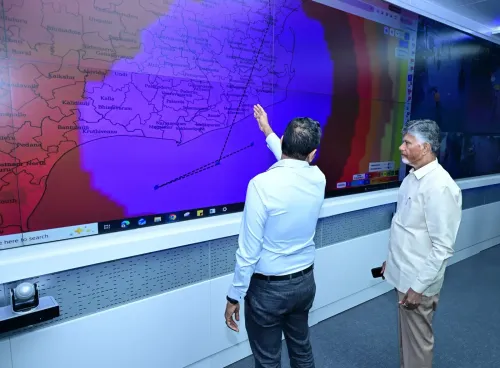
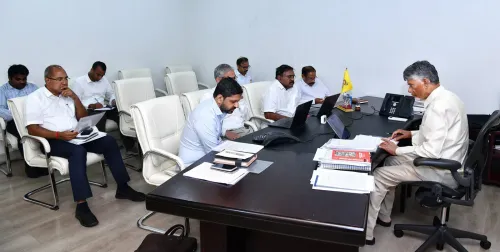
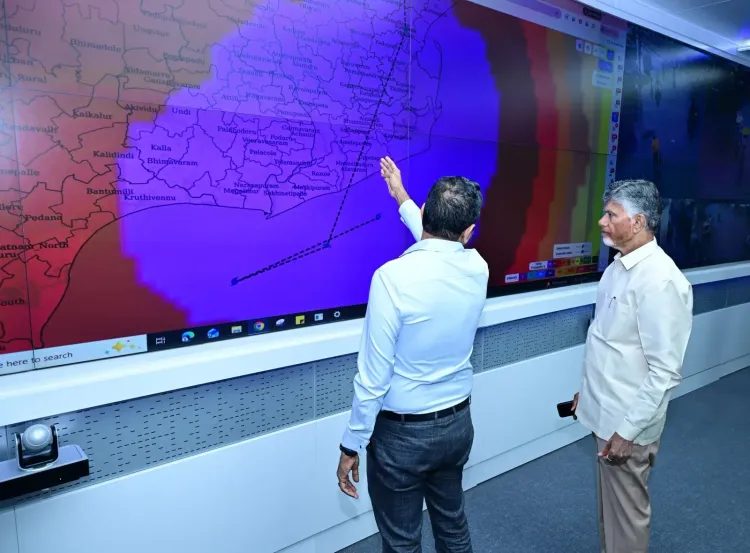
CM Naidu personally monitored developments through the night , staying in contact with District Collectors and field teams.
Cabinet ministers are physically present in affected areas, supervising relief and restoration.
Thousands of officials and emergency responders have been clearing roads, restoring power, and addressing public grievances.
Naidu appealed to residents to follow official advisories and avoid unnecessary travel until the cyclone's impact subsides.
Advance preparedness protocols, refined since events like Cyclone Hudhud in 2014 , are credited for the coordinated response.
A cyclone is battering the coast of Andhra Pradesh, and Andhra Pradesh Chief Minister N. Chandrababu Naidu says he has been up through the night watching every development — and that, so far, the state has avoided the worst. On Wednesday, 28 October 2026, Naidu posted a detailed update on X, reporting zero fatalities and pledging that the full government machinery will stay mobilised until normalcy returns.
A Night of Constant Monitoring and Zero Fatalities
Naidu confirmed he personally reviewed the situation through the night, maintaining direct contact with District Collectors, senior officials, and field teams. 'I am relieved that no loss of life has been reported so far,' he wrote — a line that stands as the clearest early measure of the response's effectiveness.
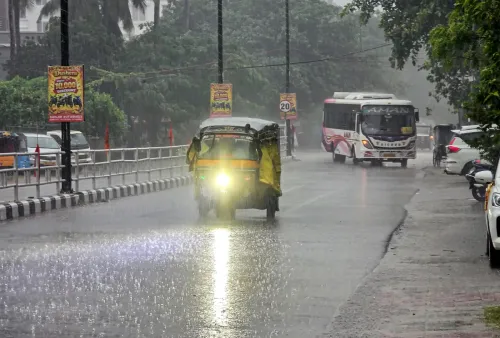
The Chief Minister credited advance preparedness and coordinated inter-agency action for the positive early outcome. Thousands of officials, emergency response teams, and frontline personnel have been clearing roads, restoring electricity, and attending to public grievances even through heavy rainfall.
Ministers on the Ground, Machinery Fully Mobilised
Rather than a headquarters-only operation, Naidu said his cabinet ministers are physically present in affected areas, personally supervising relief and restoration work. That boots-on-ground deployment mirrors the approach Andhra Pradesh has refined over decades of Bay of Bengal cyclones — most notably during Cyclone Hudhud in 2014, when large-scale evacuations and on-site ministerial oversight became a template for the state's disaster response protocols.
Coastal Andhra sits squarely in the path of storms that form in the Bay of Bengal, making layered preparedness — early warning systems, pre-positioned teams, direct collector oversight — a standing institutional priority rather than an improvised reaction.
Naidu's Appeal to Residents in the Cyclone Belt
The Chief Minister ended his post with a direct appeal to citizens in affected areas: stay alert, follow official advisories, and avoid unnecessary travel until the cyclone's impact subsides. 'Please remain calm and courageous. The government is with you at every step,' he wrote.
The immediate priorities the state has flagged — power restoration, road clearance, and damage assessment — will define how quickly affected districts return to normal life. As relief teams continue working through the weather, the zero-casualty figure remains the number that matters most.
Point of View
The 'zero fatalities' line is both a relief report and a political signal — proof that the preparedness investments TDP has championed since the Hudhud era translate into outcomes. The overnight personal monitoring and ministerial deployment on the ground is deliberate: in Indian disaster management, visible leadership directly shapes public confidence during active crises. The broader pattern matters too: as Bay of Bengal cyclone frequency and intensity remain a persistent coastal reality, the institutional depth of Andhra Pradesh's response — district-level command chains, pre-positioned teams, early warning integration — is increasingly the standard against which other coastal states measure themselves.
NationPress
28 Oct 2026
Frequently Asked Questions
What is Cyclone Arnab and where has it made landfall?
Cyclone Arnab is a cyclonic storm affecting Andhra Pradesh as of 28 October 2026 . CM Naidu's statement indicates active impact across the state's coastal districts, though a precise landfall location has not been specified in the official update.
Have there been any deaths due to Cyclone Arnab in Andhra Pradesh?
As of CM Naidu's post on 28 October 2026 , no loss of life has been reported . The Chief Minister described this as a relief and attributed it to advance preparedness and coordinated response.
What is the Andhra Pradesh government doing to respond to Cyclone Arnab?
Thousands of officials, emergency teams, and frontline workers are clearing roads, restoring power, and providing relief. Cabinet ministers are personally on the ground in affected areas, and CM Naidu has been monitoring the situation through the night.
What should residents in Andhra Pradesh do during Cyclone Arnab?
CM Naidu has appealed to citizens to remain alert, follow official government advisories, avoid unnecessary travel , and stay calm until the cyclone's impact fully subsides.
Has Andhra Pradesh dealt with major cyclones before?
Yes. Andhra Pradesh has a long history of Bay of Bengal cyclones. During Cyclone Hudhud in 2014 , the state under CM Naidu conducted large-scale evacuations and relief operations, establishing protocols that continue to inform current disaster management practices.