Congo Ebola cases climb to 896 with 232 deaths in DRC's 17th outbreak
Synopsis
The DRC's 17th Ebola outbreak has crossed 896 confirmed cases and 232 deaths, with 21 new cases logged in a single day. Caused by the Bundibugyo strain and active across 33 health zones in three eastern provinces, authorities warn that rapid geographic spread is possible if containment measures are not urgently scaled up.
Key Takeaways
The DRC has recorded 896 confirmed Ebola cases and 232 deaths as of 19 June .
21 new confirmed cases and 6 deaths were reported on Wednesday in Ituri and North Kivu .
The outbreak — caused by the Bundibugyo ebolavirus — has spread to 33 health zones across Ituri , North Kivu , and South Kivu .
383 patients are in isolation or hospitalised; 78 have recovered, including 11 newly cleared.
Contact tracing covers 6,367 contacts, with a follow-up rate of 71.1% .
This is the DRC's 17th Ebola outbreak , officially declared on 15 May .
The Democratic Republic of the Congo (DRC) has recorded 896 confirmed Ebola cases, including 232 deaths, as the country's 17th Ebola outbreak continues to intensify across three eastern provinces, health authorities confirmed on 19 June. The outbreak, caused by the Bundibugyo ebolavirus, was officially declared on 15 May and has since spread to 33 health zones across Ituri, North Kivu, and South Kivu.
Latest Case Count and Daily Update
The DRC health ministry's daily bulletin reported 21 new confirmed cases and six deaths on Wednesday alone, concentrated in the eastern provinces of Ituri and North Kivu. Additionally, 151 suspected cases — including 35 deaths — were logged in the same reporting period, underscoring the scale of unverified spread alongside confirmed transmission.
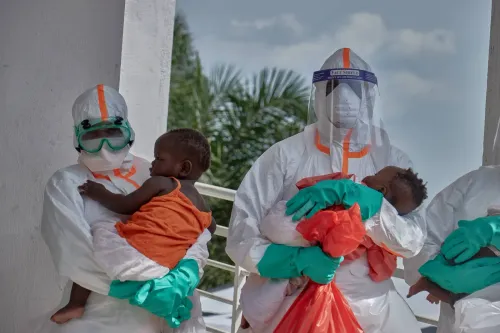
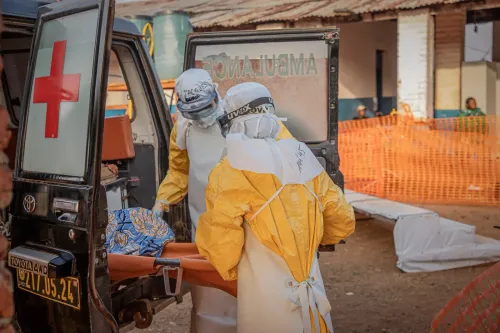
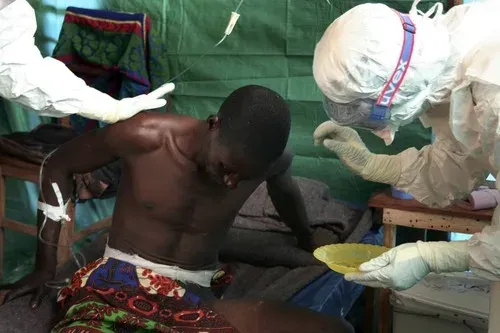
Of the total confirmed cases, 383 patients are currently either in isolation or hospitalised. Encouragingly, 78 patients have recovered, with 11 newly declared recoveries confirmed through negative control tests.
Contact Tracing and Containment Efforts
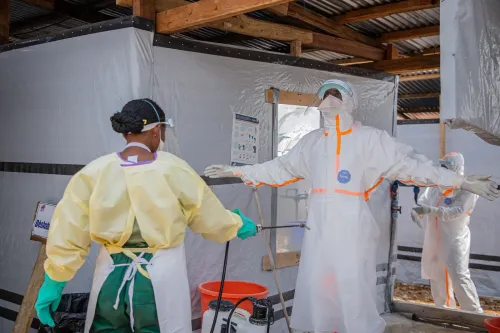
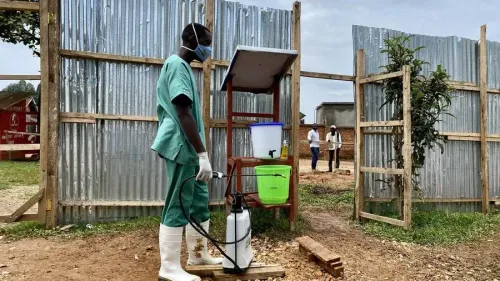
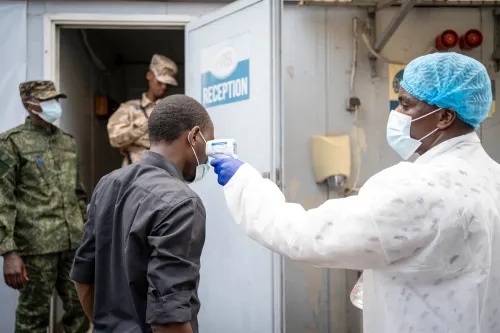
Authorities said 6,367 contacts are under active follow-up across the three affected provinces. Of these, 4,525 were successfully reached during the latest reporting period, representing a follow-up rate of 71.1 per cent. While this indicates a functioning surveillance infrastructure, health officials warned that the remaining gap leaves room for undetected chains of transmission.
The weekly rise in confirmed cases points to ongoing community transmission, according to the health ministry's assessment. Officials cautioned that rapid geographic spread remains a serious risk if public health interventions are not implemented swiftly and at scale.
Background: The Bundibugyo Strain and DRC's Outbreak History
The current outbreak is caused by the Bundibugyo ebolavirus, one of several known strains of the Ebola virus. The DRC has been the epicentre of Ebola outbreaks more than any other nation — this marks the country's 17th such event since the disease was first identified in 1976.
Ebola was first documented in two simultaneous outbreaks that year: one in Nzara, in what is now South Sudan, caused by the Sudan virus, and another in Yambuku in the then-Zaire (now DRC), near the Ebola River — from which the disease takes its name.
Symptoms and What Health Workers Should Watch For
Ebola symptoms can appear suddenly and include fever, fatigue, muscle pain, headache, and sore throat in the initial phase. These are followed by vomiting, diarrhoea, abdominal pain, rash, and signs of impaired kidney and liver function. Health and care workers in the affected zones have been specifically urged to remain vigilant for this symptom progression.
What Happens Next
With confirmed case counts rising week on week and contact tracing coverage still short of full reach, the trajectory of the outbreak will depend heavily on the speed and breadth of public health response in the coming days. International health bodies are monitoring the situation closely, given the DRC's history of protracted Ebola events and the challenging terrain of the eastern provinces.
Point of View
The missing 29% is precisely where the next cluster originates. The DRC has managed 16 previous Ebola events, yet each new outbreak in the eastern provinces confronts the same structural barriers: insecurity, healthcare under-resourcing, and community hesitancy. The Bundibugyo strain is less lethal than Zaire ebolavirus but still deadly, and the week-on-week rise in confirmed cases suggests containment has not yet bent the curve. The real question is whether international response funding arrives before geographic spread makes 33 health zones look like a floor, not a ceiling.
NationPress
19 Sept 2026
Frequently Asked Questions
How many Ebola cases have been confirmed in the DRC as of 19 June?
The DRC has confirmed 896 Ebola cases , including 232 deaths , as of 19 June. The health ministry reported 21 new confirmed cases and six deaths on Wednesday alone.
Which provinces are affected by the current DRC Ebola outbreak?
The outbreak has spread across 33 health zones in three eastern provinces: Ituri , North Kivu , and South Kivu . These regions have historically been among the most challenging for health interventions due to ongoing insecurity.
What strain of Ebola is causing the current DRC outbreak?
The current outbreak is caused by the Bundibugyo ebolavirus , one of several known Ebola strains. It was officially declared on 15 May and is the DRC's 17th Ebola outbreak on record.
What are the symptoms of Ebola disease?
Ebola symptoms appear suddenly and begin with fever , fatigue , muscle pain , headache , and sore throat . These are followed by vomiting , diarrhoea , abdominal pain , rash , and signs of impaired kidney and liver function.
How effective is contact tracing in the current outbreak?
Authorities are tracking 6,367 contacts across the three affected provinces. Of these, 4,525 were reached in the latest reporting period, yielding a follow-up rate of 71.1% — a figure officials say must improve to prevent further spread.