Ebola outbreak reaches DR Congo's South Kivu; 626 suspected cases recorded
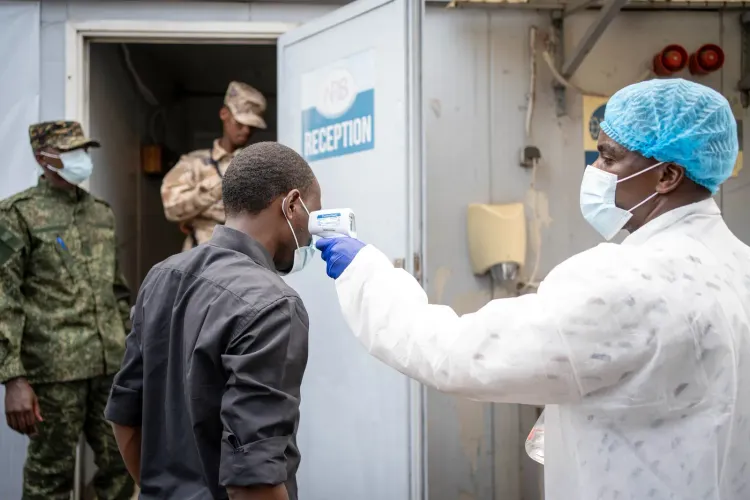
Synopsis
The DRC's 17th Ebola outbreak has reached South Kivu, with a case confirmed in Bukavu by M23 rebels who control the city. With 626 suspected cases, 159 probable deaths, and WHO warning the virus likely circulated undetected for months, the window for containment is narrowing fast — and a conflict zone is making it harder to close.
Key Takeaways
The Ebola outbreak has spread to South Kivu Province , with a new case confirmed in Bukavu by the M23 rebel group.
626 suspected cases and 159 probable deaths recorded since the DRC declared its 17th outbreak on 15 May 2025 .
WHO Director-General Tedros Adhanom Ghebreyesus warned the true scale is 'much larger' than the 51 confirmed cases .
WHO technical officer Anais Legand said the outbreak likely began 'a couple of months ago' before detection.
Two confirmed cases have also been reported in neighbouring Uganda , raising regional containment concerns.
More than 200 samples from M23-controlled areas have been sent to Goma for laboratory analysis.
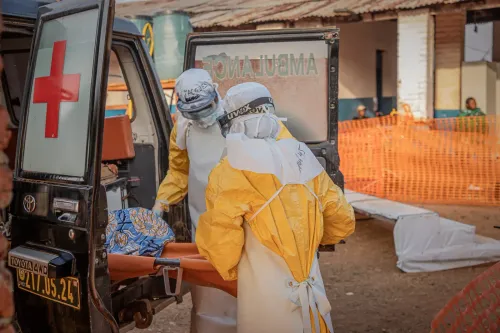
The Ebola outbreak in the Democratic Republic of the Congo (DRC) has spread to South Kivu Province, deepening alarm over unchecked transmission across the country's volatile eastern region. As of Thursday, 22 May 2025, DRC Health Minister Roger Kamba confirmed 626 suspected cases and 159 probable deaths since the country declared its 17th Ebola outbreak on 15 May 2025.
New Case in Bukavu Raises Eastern Alarm
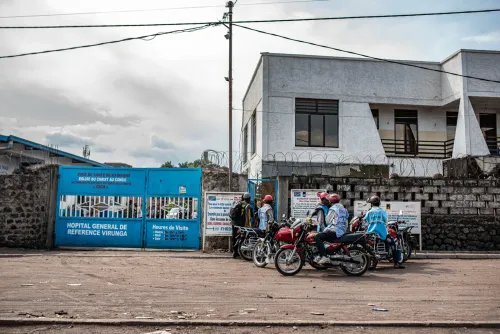
The March 23 Movement (M23) rebel group, which has controlled Bukavu — the capital of South Kivu — since February 2025, confirmed a new case in the city. According to the group, a 28-year-old man had travelled from Kisangani, the capital of Tshopo Province, and died before his diagnosis could be confirmed. Tshopo Province itself has not recorded any cases to date, but Kisangani — one of the DRC's busiest transport hubs — has now emerged as a significant area of concern. Authorities are working urgently to determine how far the virus may have spread before detection.
Scale of the Epidemic Far Larger Than Confirmed Numbers
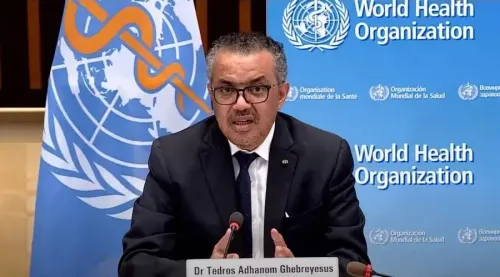
World Health Organisation (WHO) Director-General Tedros Adhanom Ghebreyesus warned on Wednesday that case numbers are expected to continue rising, given the period of undetected circulation. 'So far, 51 cases have been confirmed in the DRC, in the northern provinces of Ituri and North Kivu, including in the cities of Bunia and Goma, although we know the scale of the epidemic in DRC is much larger,' he said. WHO technical officer Anais Legand, a specialist in viral haemorrhagic fevers, indicated the outbreak likely began 'probably a couple of months ago' — well before formal detection. Investigations to pinpoint the exact origin are still ongoing.
Outbreak Spreads Across Provinces and into Uganda
The outbreak, initially reported in Ituri Province, has now extended to North Kivu and South Kivu. Two confirmed cases have also been reported across the border in Uganda, raising concerns about regional containment. In areas under M23 control, more than 200 samples from suspected cases have been dispatched to Goma, the capital of North Kivu, for laboratory analysis. In Goma, one confirmed case remains under strict medical supervision and identified contacts have been isolated.
Contact Tracing and Isolation the Immediate Priority
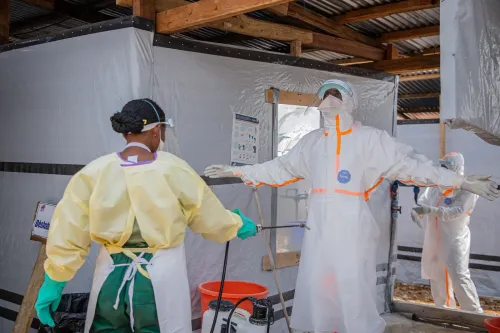
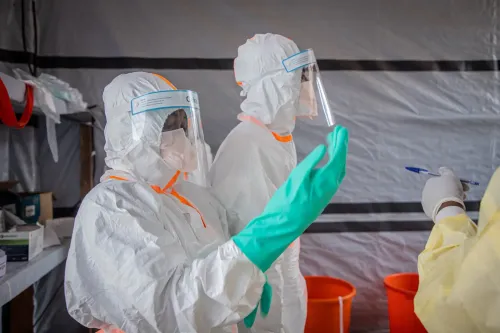
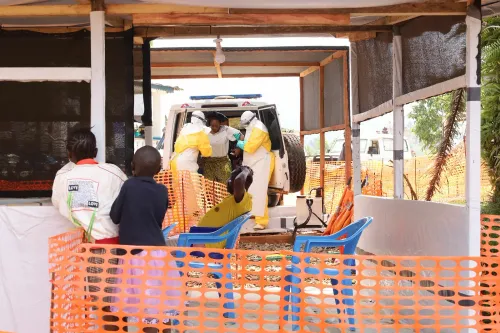
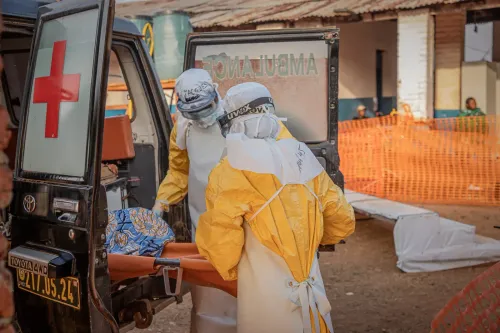
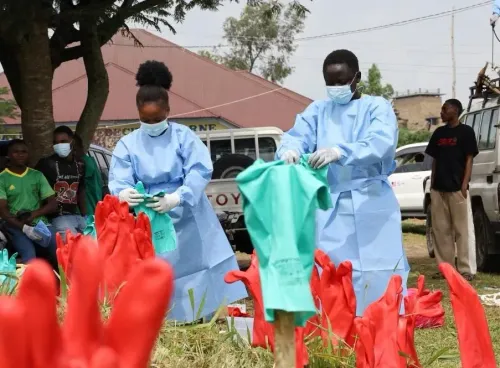
WHO officials have stressed that cutting transmission chains through aggressive contact tracing, isolation, and care for suspected and confirmed cases is the immediate operational priority. The challenge is compounded by the conflict environment in eastern DRC, where M23 controls large swathes of territory, limiting the reach of public health infrastructure. This is the DRC's 17th Ebola outbreak — a grim record that reflects both the country's endemic vulnerability and the persistent gaps in early-warning surveillance systems.
What Comes Next
Health authorities face a dual challenge: establishing the true scale of an outbreak that circulated undetected for weeks, and mounting a response in an active conflict zone. The spread to South Kivu and the cross-border case in Uganda signal that containment windows are narrowing. WHO has said it is scaling up support, and further case counts are expected as laboratory results from Goma return.
Point of View
Now fragmented between government forces and M23, is not just a humanitarian crisis; it is an epidemiological blind spot. When a rebel group is the entity confirming new Ebola cases, it underscores how severely public health infrastructure has been displaced. The cross-border spread to Uganda is a reminder that Ebola does not respect ceasefire lines, and the international response must be calibrated to a conflict-affected outbreak, not a conventional one.
NationPress
22 Sept 2026
Frequently Asked Questions
How many Ebola cases have been recorded in the DRC in May 2025?
As of Thursday, 22 May 2025, DRC Health Minister Roger Kamba confirmed 626 suspected cases and 159 probable deaths since the country declared its 17th Ebola outbreak on 15 May 2025. WHO has confirmed 51 cases in Ituri and North Kivu, but warns the true scale is much larger.
Why has Ebola spread to South Kivu?
A 28-year-old man who travelled from Kisangani — a major transport hub in Tshopo Province — to Bukavu, the capital of South Kivu, died before his Ebola diagnosis was confirmed, according to the M23 rebel group that controls the city. The movement of people through busy transit centres is a key factor in the virus's spread.
Has Ebola crossed into any other country?
Yes. Two confirmed Ebola cases have been reported in Uganda, raising concerns about regional containment and cross-border transmission from the DRC's ongoing outbreak.
What is WHO doing about the DRC Ebola outbreak?
WHO Director-General Tedros Adhanom Ghebreyesus has warned that case numbers will keep rising given the period of undetected circulation. The organisation's immediate priorities are contact tracing, isolation, and care for suspected and confirmed cases, while investigations continue to determine the outbreak's exact origin and timeline.
When did the current DRC Ebola outbreak begin?
The DRC officially declared its 17th Ebola outbreak on 15 May 2025, though WHO technical officer Anais Legand said the virus likely began circulating 'probably a couple of months ago' before it was formally detected.