Ebola in DR Congo: 1,203 cases, 321 deaths as outbreak nears peak
Synopsis
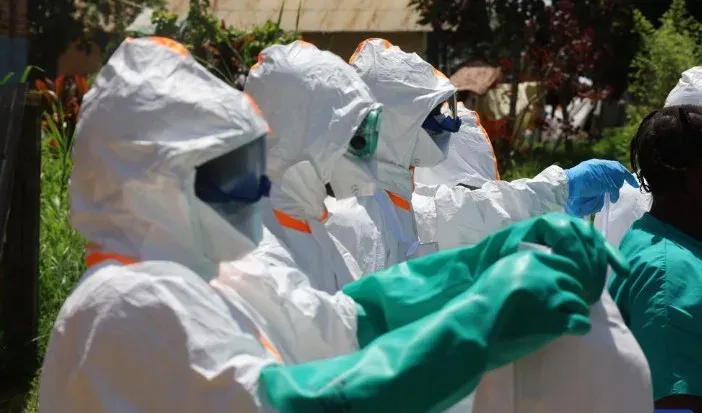
The DRC's Ebola toll has crossed 1,200 confirmed cases and 321 deaths in just six weeks — and Africa CDC says the worst is not yet here. With treatment centres near saturation in Ituri, a $20 million funding hole, and armed conflict blocking responders, the world's largest Ebola outbreak may still be in the making.
Key Takeaways
The DRC has recorded 1,203 confirmed Ebola cases and 321 deaths since the outbreak was declared on 15 May .
An additional 265 suspected cases , including 77 deaths , have been identified by health authorities.
Africa CDC Director General Jean Kaseya warned the outbreak has yet to peak, with cases rising sharply in the fifth week.
Africa CDC has appealed for $1.4 billion to fund the response; a $20 million funding gap is already hampering operations.
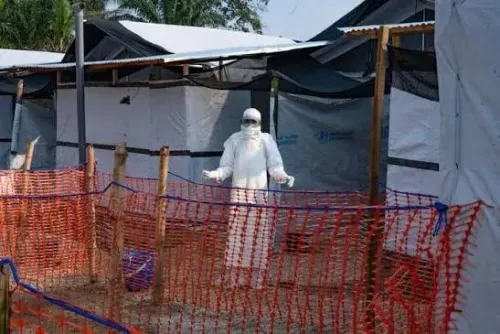
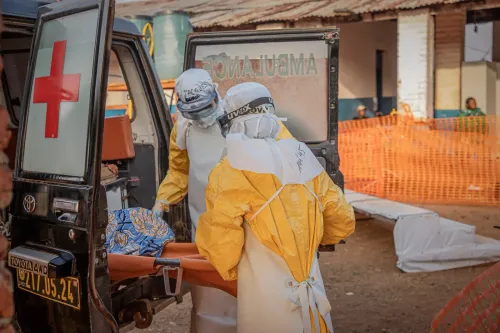
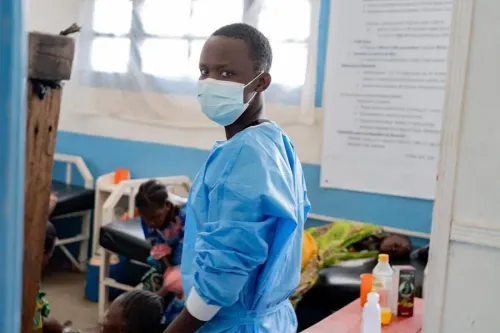
Treatment centres in Ituri are near saturation, with a shortage of roughly 20 isolation centres and below-target contact tracing rates.
WHO chief Tedros Adhanom Ghebreyesus cautioned that war, insecurity, and community mistrust continue to slow the containment effort.
The Democratic Republic of the Congo (DRC) has recorded 1,203 confirmed Ebola cases and 321 deaths since the outbreak was officially declared on 15 May, according to the country's public health authorities. The figures, released on Friday, mark one of the fastest-escalating Ebola crises in recent history, with the Africa Centers for Disease Control and Prevention (Africa CDC) warning the outbreak has yet to reach its peak.
Latest Case Figures
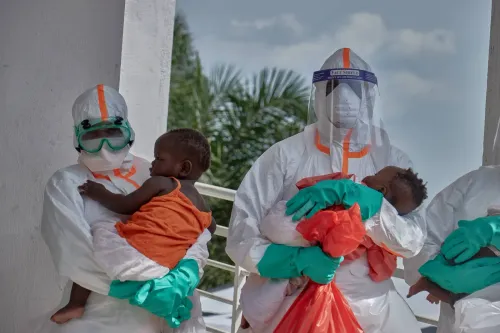
Of the 1,203 confirmed cases, 148 patients have recovered and returned home, while 419 remain in isolation or under hospital care. Authorities have additionally identified 265 suspected cases, including 77 deaths among that group. The current outbreak is caused by the Bundibugyo ebolavirus, a strain distinct from the more commonly known Zaire strain.
WHO Director-General's Warning
World Health Organization (WHO) Director-General Tedros Adhanom Ghebreyesus said on Friday that contact tracing in the DRC was reaching more people and more Ebola patients were recovering. However, he cautioned that the fight was 'far from over,' pointing to ongoing armed conflict, insecurity, and community mistrust as persistent obstacles slowing the response.
Operational Challenges on the Ground
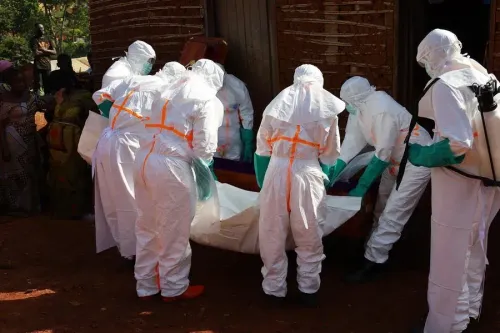
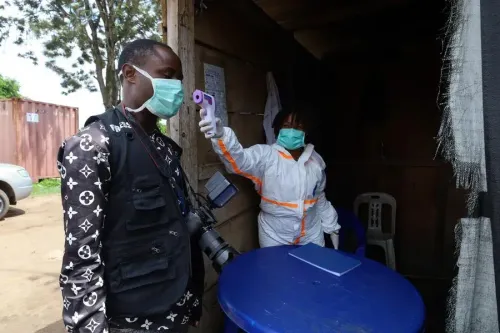
Health authorities have flagged a series of critical bottlenecks. Treatment centres in Ituri province are reportedly near saturation, while the contact follow-up rate remains below the 95% target considered essential for outbreak containment. Community resistance to post-mortem testing continues to hinder case identification.
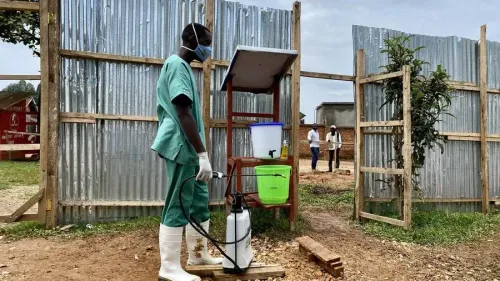
Shortages of essential medicines and infection prevention supplies are compounding the crisis, with a gap of approximately 20 isolation centres. Armed group activity is restricting access in several affected areas, and a funding gap of around $20 million has been cited as a major constraint on response operations.
Africa CDC Sounds Alarm, Seeks $1.4 Billion
Africa CDC Director General Jean Kaseya said during an online press briefing on Thursday that the outbreak had seen 'a huge increase of cases' over the preceding week — five weeks after its declaration — and had not yet peaked. He noted that compared to similar recent Ebola outbreaks, this one is rapidly emerging as the largest.
'If we don't stop this outbreak now, and if it lasts two years — as was the case in West Africa and in the eastern part of the DRC — it will certainly be the largest Ebola outbreak ever,' Kaseya warned. The Africa CDC has appealed for $1.4 billion to finance outbreak response efforts.
What Happens Next
With the outbreak still accelerating and the funding gap widening, international health agencies face mounting pressure to scale up both financing and field operations. The situation in Ituri will be a critical bellwether — if treatment capacity there is not urgently expanded, case fatality rates could worsen. The DRC's history with Ebola, including the devastating 2018–2020 outbreak that killed over 2,200 people in the country's east, underscores how quickly the disease can spiral when security and trust deficits persist.
Point of View
Five weeks in, with no peak in sight. The Bundibugyo strain is less studied than Zaire, making the epidemiological curve harder to model and the public communication challenge steeper. What is missing from the international response is urgency commensurate with the threat: a $1.4 billion appeal is meaningless if pledges take months to disburse, as they did in 2018. The real risk is that by the time the funding architecture catches up, the outbreak will have embedded itself in communities where armed conflict has already made health workers unwelcome.
NationPress
25 Sept 2026
Frequently Asked Questions
How many Ebola cases have been confirmed in the DRC?
As of the latest report released on Friday, the DRC has confirmed 1,203 Ebola cases, including 321 deaths, since the outbreak was declared on 15 May. An additional 265 suspected cases, with 77 deaths, are also under investigation.
What strain of Ebola is causing the current DRC outbreak?
The current outbreak is caused by the Bundibugyo ebolavirus, a strain distinct from the Zaire ebolavirus that drove the 2018–2020 DRC epidemic. It was officially declared on 15 May by the country's public health authorities.
Has the DRC Ebola outbreak reached its peak?
No. Africa CDC Director General Jean Kaseya said on Thursday that the outbreak had not yet peaked and had seen a sharp rise in cases over the preceding week. He warned it could become the largest Ebola outbreak in history if not contained quickly.
How much funding is needed to fight the DRC Ebola outbreak?
The Africa CDC has appealed for $1.4 billion to finance the outbreak response. Separately, a funding gap of approximately $20 million has been identified as an immediate constraint on field operations, including isolation centre capacity.
What are the main challenges slowing the Ebola response in the DRC?
Key obstacles include armed conflict and insecurity restricting access in affected areas, community mistrust and resistance to post-mortem testing, treatment centres in Ituri nearing saturation, a contact follow-up rate below the 95% target, and shortages of essential medicines and isolation facilities.