Ebola kills 330 children in DR Congo, UNICEF warns of health collapse
Synopsis
UNICEF's latest figures reveal that Ebola has killed 330 children in the DRC — nearly one in three of all deaths — with children under five dying at more than double the adult rate. With Doctors Without Borders warning of an unprecedented spread and a suspect case intercepted near Kinshasa, the outbreak is edging toward the capital with no sign of slowing.
Key Takeaways
The Ebola outbreak in the DRC has killed 330 children out of 743 confirmed child cases as of 2 August , according to UNICEF .
Children under five have a case fatality rate more than double that of adults.
The total outbreak toll stands at 3,973 confirmed cases and 1,801 deaths since 15 May .
Doctors Without Borders described the situation as 'more critical than ever' with 'no sign of slowing down.' A passenger boat from Tshopo province was intercepted 65 km from Kinshasa after a former passenger with Ebola symptoms died.
Routine immunisation and maternal healthcare have sharply declined as families avoid health facilities out of fear.
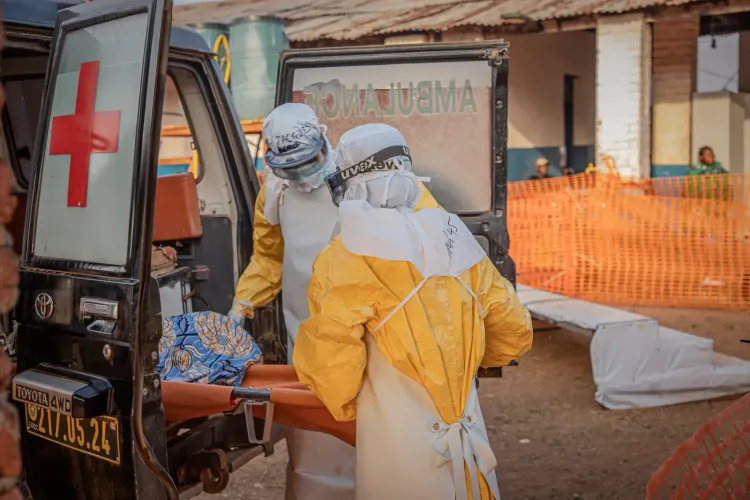
The Ebola outbreak in the Democratic Republic of the Congo (DRC) has killed 330 children and is severely disrupting essential health services across the hardest-hit Ituri Province, the United Nations Children's Fund (UNICEF) said on Thursday, 6 August. The figures, current as of 2 August, place the DRC's child death toll among the most alarming of any recent Ebola outbreak.
Scale of the Child Crisis
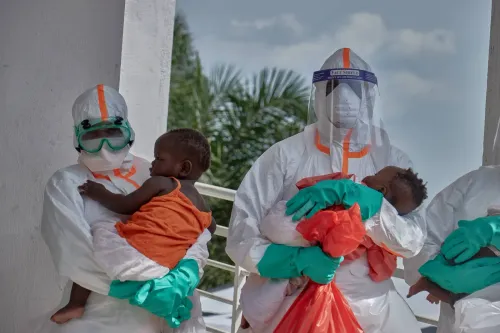
As of 2 August, the DRC had recorded 743 confirmed cases among children aged 17 and under, of which 330 proved fatal, according to UNICEF. The agency noted that while children represent nearly one in four confirmed cases overall, they account for almost one in three deaths — a disproportionate toll that has alarmed public health officials.
Young children under five years of age are particularly vulnerable. UNICEF reported that their case fatality rate is more than double that of adults, underlining the acute biological risk to the youngest patients.
Health System Under Strain
Beyond the direct death toll, the outbreak has triggered a sharp decline in routine childhood immunisation, maternal healthcare, and other essential services. Fear of infection and disruptions to health facilities have kept families from seeking care, compounding the crisis.
'The Ebola outbreak is severely disrupting the entire health system, with inevitable consequences for cases of malaria, diarrhoea, and other treatable illnesses that are the biggest killers of children,' said John Agbor, UNICEF representative in the DRC. The warning signals a second-order humanitarian emergency unfolding alongside the outbreak itself.
Outbreak Spreads at Unprecedented Pace
The global medical charity Doctors Without Borders warned on Wednesday that the situation in eastern DRC was 'more critical than ever,' spreading at an alarming and unprecedented pace with 'no sign of slowing down.' As of Tuesday, the DRC had recorded 3,973 confirmed cases and 1,801 deaths in total since the outbreak was officially declared on 15 May.
Boat Intercepted Near Kinshasa
In a separate but related development, health authorities intercepted a passenger boat approximately 65 km outside central Kinshasa after a former passenger — who had disembarked in Mongala province — developed symptoms including fever and diarrhoea, and subsequently died. The vessel had travelled from the outbreak-hit Tshopo province.
Health Minister Roger Kamba stressed that the case remained suspected rather than confirmed. 'We are being cautious,' he said. A security and health cordon was established around the vessel while a mobile laboratory tested all passengers and crew, according to government spokesperson Patrick Muyaya.
What Comes Next
With the outbreak showing no signs of abating and spreading toward the capital, containment efforts face mounting logistical and security challenges. The interception near Kinshasa underscores the risk of the virus reaching a densely populated urban centre — a scenario that public health experts have long flagged as the most dangerous escalation possible in any Ebola outbreak.
Point of View
And it is being underreported in global coverage focused on total tolls. The DRC's health system was already fragile before this outbreak; the collapse of immunisation and maternal care now risks producing a secondary mortality wave from malaria and diarrhoea that could ultimately exceed Ebola deaths. The interception of a boat near Kinshasa is the strategic inflection point: if the virus reaches a city of 17 million with limited hospital infrastructure, containment calculus changes entirely. International response timelines need to accelerate now, not after urban transmission is confirmed.
NationPress
21 Sept 2026
Frequently Asked Questions
How many children have died from Ebola in the DRC?
As of 2 August, the Ebola outbreak in the Democratic Republic of the Congo has killed 330 children aged 17 and under, out of 743 confirmed child cases, according to UNICEF. Children under five are the most severely affected, with a case fatality rate more than double that of adults.
When was the DRC Ebola outbreak declared?
The current Ebola outbreak in the DRC was officially declared on 15 May. As of Tuesday, 6 August, the country had recorded 3,973 confirmed cases and 1,801 deaths in total.
Why are children dying at higher rates than adults in this Ebola outbreak?
UNICEF has noted that children, particularly those under five, have a case fatality rate more than double that of adults. While children represent nearly one in four confirmed cases, they account for almost one in three deaths, pointing to acute biological vulnerability in younger patients.
How is the Ebola outbreak affecting other health services in the DRC?
The outbreak has caused a sharp decline in routine childhood immunisation, maternal healthcare, and other essential services. Families are avoiding health facilities out of fear, and UNICEF's representative John Agbor has warned this will lead to more deaths from malaria, diarrhoea, and other treatable illnesses.
What happened with the boat intercepted near Kinshasa?
Health authorities halted a passenger vessel about 65 km from central Kinshasa after a former passenger from Tshopo province developed Ebola symptoms and died. Health Minister Roger Kamba described it as a suspected rather than confirmed case, and a mobile laboratory was deployed to test all passengers and crew.