Mexico avocado exports to US halted again over Michoacan security threat
Synopsis
The US has again halted Mexican avocado imports — this time over a security threat in Michoacan — and President Claudia Sheinbaum is racing to respond with a National Guard deployment plan and direct diplomacy with Washington. With Michoacan supplying the lion's share of US avocados, the stakes extend well beyond a single commodity and into the heart of a USMCA relationship already under tariff pressure.
Key Takeaways
The United States suspended avocado inspections and imports from Michoacan on Wednesday, 6 August , citing a security 'threat' against US interests.
President Claudia Sheinbaum announced a security action plan on 7 August to reinforce National Guard presence in under-patrolled areas of Michoacan .
Mexico's Ministry of Agriculture and Rural Development has urgently requested a meeting with the US embassy to propose supervised resumption of inspections.
Sheinbaum confirmed she met with avocado growers and exporters in Michoacan , the country's top avocado-producing state.
The suspension compounds existing trade tensions, with Economy Secretary Marcelo Ebrard separately pushing to eliminate US tariffs during the ongoing USMCA review.
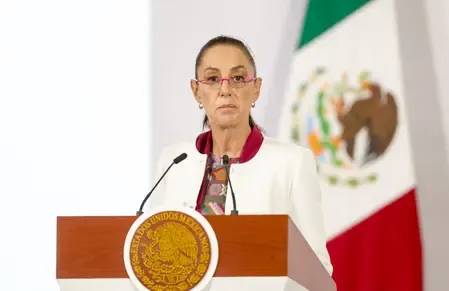
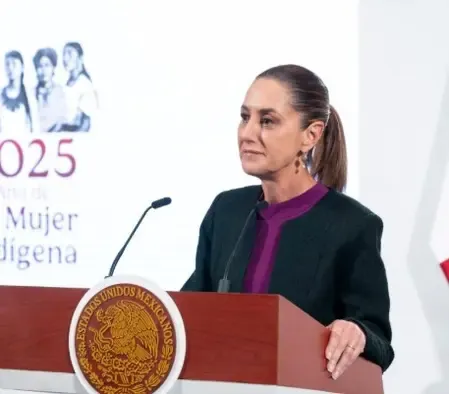
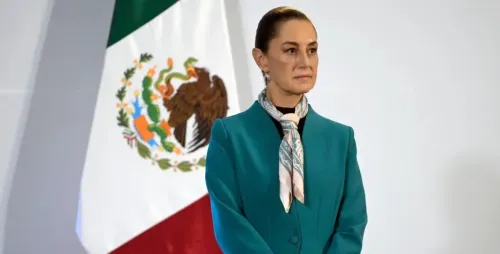
Mexican President Claudia Sheinbaum on Thursday, 7 August announced a security action plan for the violence-plagued state of Michoacan, aiming to restart avocado exports to the United States after Washington suspended inspections and imports following a fresh security alert. The halt marks the latest disruption to a trade corridor that supplies the bulk of US avocado demand.
What Triggered the Suspension
On Wednesday, the United States issued a security alert citing a 'threat' against US interests in Michoacan, prompting it to suspend all government activities in the state — including avocado inspections. With inspectors pulled out, imports were immediately halted. Michoacan is Mexico's leading avocado-producing and exporting state, making the disruption commercially significant for both countries.
Sheinbaum's Security Strategy
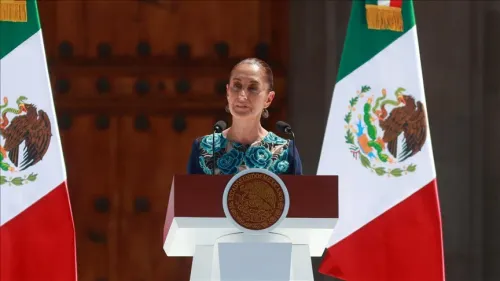
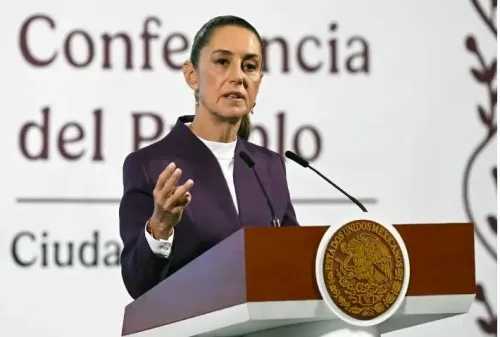
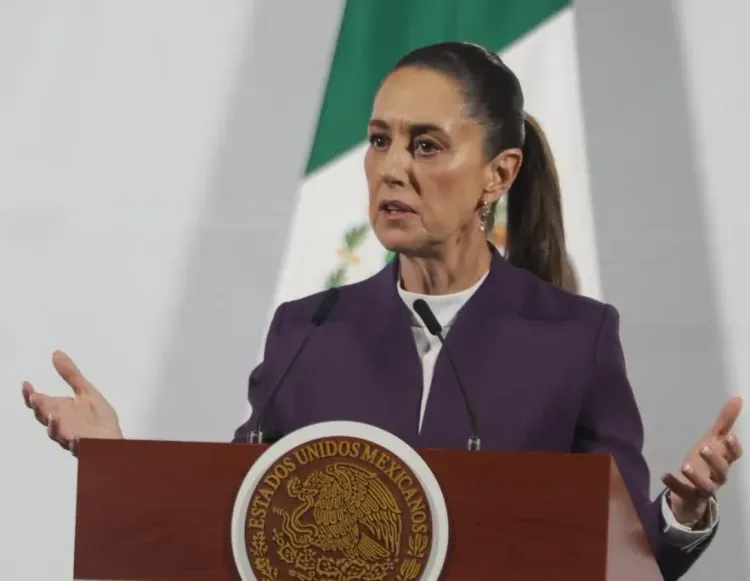
Speaking at her daily press conference at the National Palace in Mexico City, President Sheinbaum said the plan focuses on reinforcing National Guard deployments in areas of Michoacan where the force had previously maintained limited presence. She also confirmed that simultaneous talks with US authorities are ongoing. 'We hope that it will resume very soon and that is why we are in talks and, at the same time, strengthening security in certain areas where the Guard did not have as much of a presence,' she said. Sheinbaum added she was working to ensure 'there won't be any significant impact ... so we can get exports back on track.'
Diplomatic and Agricultural Push
Sheinbaum said she had met directly with avocado growers and exporters in Michoacan to address their concerns. Separately, Mexico's Ministry of Agriculture and Rural Development formally requested an urgent meeting with the US embassy, proposing that inspections resume under the supervision of officials from Mexico's national food safety service — a compromise designed to satisfy US security conditions while keeping the supply chain moving.
Broader Trade Context: USMCA and Tariffs
This comes amid already strained trade relations between Mexico and the United States. In June, Mexican Economy Secretary Marcelo Ebrard said Mexico would prioritise pushing the US to eliminate existing tariffs during the ongoing review of the United States-Mexico-Canada Agreement (USMCA). The first round of formal USMCA review negotiations had already concluded, with the US delegation tabling several proposals. Under the current US administration, differentiated tariffs on imports — varying by production origin — have drawn sharp criticism from Mexican officials, who argue the policy breaks sharply from the multilateral trading norms that have governed regional commerce for decades, particularly with neighbours Mexico and Canada. The avocado suspension, critics argue, adds a security-linked dimension to what is already a fraught economic relationship.
What Comes Next
The pace of resolution will depend on how quickly National Guard deployments can be scaled up in affected areas and whether US authorities accept Mexico's proposal for supervised inspections. Any prolonged halt risks supply disruptions in the US market, where Mexican avocados dominate retail shelves. Both governments have signalled a desire for a swift resolution, but the underlying security situation in Michoacan — long contested by organised crime — remains the central variable.
Point of View
More diplomacy — is the same playbook her predecessor used, with mixed results. The deeper question is whether a security-for-trade bargain is sustainable when organised crime retains operational control over significant parts of the region. Washington's willingness to use trade access as leverage also signals that the USMCA review will be harder than either side's public statements suggest.
NationPress
7 Aug 2026
Frequently Asked Questions
Why have US avocado imports from Mexico been suspended?
The United States suspended avocado inspections and imports from Michoacan after issuing a security alert on 6 August, citing a 'threat' against US interests in the state. With US government inspectors withdrawn, the supply chain came to an immediate halt.
What is Mexico doing to resume avocado exports?
President Claudia Sheinbaum announced a security action plan on 7 August to strengthen National Guard deployments in parts of Michoacan with limited prior coverage. Simultaneously, Mexico's Ministry of Agriculture has requested an urgent meeting with the US embassy to propose resuming inspections under Mexican food safety supervisors.
Why is Michoacan central to this dispute?
Michoacan is Mexico's leading avocado-producing and exporting state, supplying the majority of US avocado imports. Any disruption there has an outsized impact on both Mexican exporters and US retail supply chains.
How does this relate to the broader Mexico-US trade relationship?
The suspension comes amid ongoing USMCA review negotiations and existing US tariffs on Mexican goods. Economy Secretary Marcelo Ebrard said in June that Mexico's priority in the review is eliminating those tariffs. Mexican officials have criticised the US policy of differentiated tariffs as a departure from established multilateral trade norms.
When could avocado exports resume?
No firm date has been given. President Sheinbaum said she hopes exports will resume 'very soon,' but the timeline depends on National Guard deployments in Michoacan and US acceptance of Mexico's proposal for supervised inspections.