Vance: US ready for Iran nuclear deal or military action
Synopsis
JD Vance put it plainly: Iran gets a nuclear deal or the US restarts its military campaign. With Vance logging nearly 70 hours of travel and negotiations himself, the diplomatic effort is real — but so is the ultimatum. The admission that Washington still struggles to read Tehran’s true negotiating position is the detail that matters most.
Key Takeaways
Vice President JD Vance on 20 May said the US is pursuing intensive talks with Iran but is prepared to resume military operations if diplomacy fails.
Vance stated the absolute red line: “Iran can never have a nuclear weapon.” He personally spent roughly 22 hours flying to Iran, 24 hours returning, and 21 hours on the ground in negotiations as a show of good faith.
Vance dismissed reports that Russia would take custody of Iran’s enriched uranium stockpile: “That has never been our plan.” The Vice President described the conflict’s active phase as “five, five and a half weeks” and insisted it is “not a forever war.” Vance also condemned political violence and said a White House task force found “billions upon billions” in fraud across Medicare , Medicaid , and immigration systems.
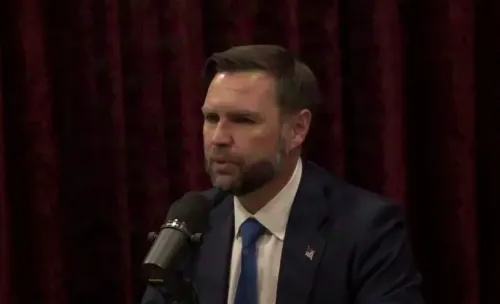
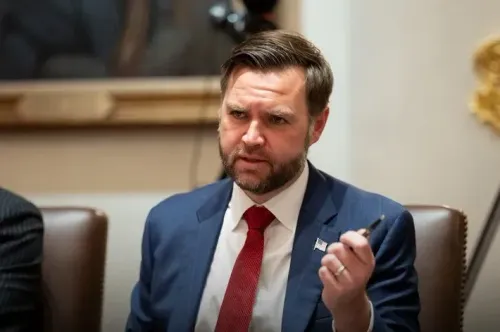
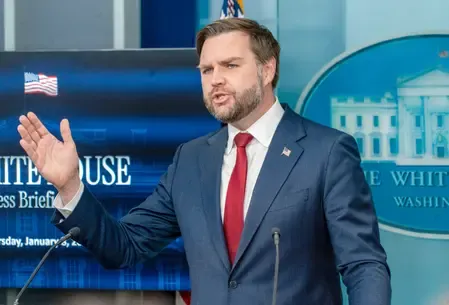
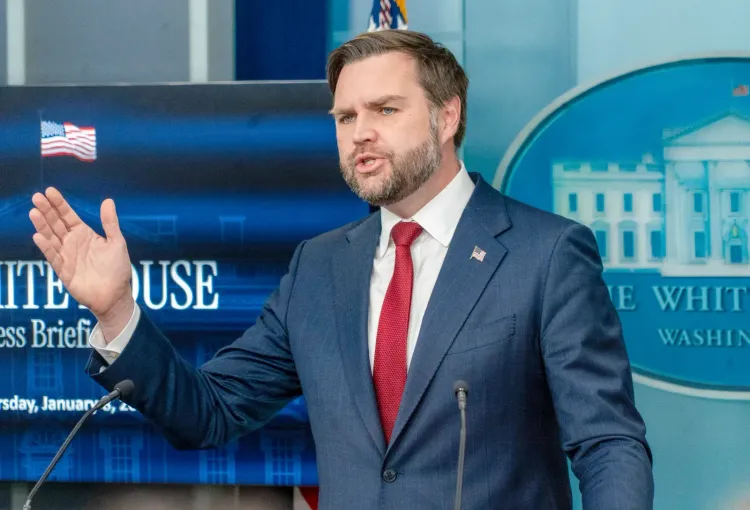
US Vice President JD Vance on 20 May declared that the Trump administration is pursuing intensive diplomatic negotiations with Iran while simultaneously warning that Washington stands prepared to resume military operations if Tehran refuses to abandon its nuclear weapons ambitions. Speaking at a White House media briefing, Vance framed the standoff in stark binary terms: a deal, or war.
Two Pathways, One Red Line
“There are two options, two pathways we can go down when it comes to the Iran situation,” Vance told reporters. The non-negotiable condition, he said, is that “Iran can never have a nuclear weapon” — a position he argued is essential to preventing a broader global nuclear arms race and averting further destabilisation across the Middle East and beyond.
On the diplomatic track, Vance expressed cautious optimism, saying the administration believes Tehran is genuinely interested in reaching an agreement. “We think the Iranians wanna make a deal,” he said. “But we’re not gonna know until we’re actually putting pen to paper on signing a deal.”
Vance’s Personal Diplomatic Push
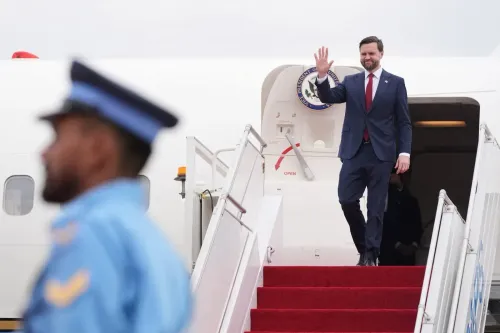
The Vice President pointed to his own recent diplomatic travel as evidence of Washington’s good-faith engagement. “Why did I spend, I think probably 22 hours on a plane going there, 24 hours coming back, and then 21 hours on the ground negotiating with the Iranians? It’s because we wanted to show a sign of good faith,” he said. The specific location of those talks was not disclosed at the briefing.
Vance acknowledged the complexity of dealing with Iran, describing it as “a very complicated country” with multiple centres of influence. “It’s sometimes hard to figure out exactly what it is that the Iranians wanna accomplish outta the negotiation,” he said — a candid admission that underscores the fragility of the current diplomatic process.
Military Option Remains on the Table
Despite the diplomatic overtures, Vance was unambiguous about the fallback position. “The option B is that we could restart the military campaign,” he said. “We don’t wanna go down that pathway, but the President is willing and able to go down that path if we have to.”
Vance also pushed back on reports that Russia could assume custody of Iran’s enriched uranium stockpile as part of a future arrangement. “That is not currently our plan. That has never been our plan,” he said, dismissing the speculation outright.
Addressing the broader conflict context, Vance said the current ceasefire phase should not be interpreted as an indefinite military commitment. “The active period of conflict lasted about five, five and a half weeks,” he noted. “This is not a forever war. We’re gonna take care of business and come home.”
Domestic Issues: Fraud, AI, and Political Violence
The briefing ranged beyond foreign policy. Vance said a White House anti-fraud task force had uncovered “billions upon billions of dollars of fraud” across Medicare, Medicaid, and immigration systems — though he did not provide a specific verified figure.
On artificial intelligence, Vance said President Donald Trump wants the US to maintain global leadership in the technology. “The President wants us to be pro innovation. He wants us to win the AI race against all other countries in the world,” he said, while noting that privacy and national security guardrails remain a priority.
Vance also condemned recent incidents of political and religious violence, including a deadly shooting near a Muslim community centre in California and online comments mocking the killing of conservative activist Charlie Kirk. “Political violence, wherever it comes from, is unacceptable in the United States of America,” he said. “Let’s talk with one another, not shoot each other when we disagree.”
Escalating Pressure on Tehran
The Trump administration has intensified its pressure campaign on Iran in recent months amid renewed international concern over Tehran’s nuclear programme and widening regional instability. Trump has repeatedly stated that Iran will not be permitted to acquire a nuclear weapon, while leaving open the possibility of a negotiated resolution — a dual-track posture that Vance’s remarks on 20 May made explicit. How Tehran responds to the latest diplomatic signals will determine which pathway the two countries travel next.
Point of View
But his own admission that Washington finds it ‘hard to figure out exactly what the Iranians want’ reveals the core vulnerability: the US is negotiating intensively with a counterpart whose decision-making structure it cannot fully read. The dismissal of Russia’s role in managing Iran’s uranium stockpile is significant; it closes off what had appeared to be a creative off-ramp and narrows the solution space. Meanwhile, the ‘not a forever war’ framing is aimed squarely at a domestic audience weary of open-ended Middle East entanglements — suggesting the administration is managing two audiences simultaneously, with different messages for each.
NationPress
20 Sept 2026
Frequently Asked Questions
What did JD Vance say about a US-Iran deal?
Vance said the Trump administration believes Iran wants to reach a nuclear deal and that recent diplomatic engagement has yielded progress. However, he warned that if Tehran refuses to agree to terms preventing it from acquiring nuclear weapons, the US is prepared to resume military operations.
What is the US red line on Iran’s nuclear programme?
The Trump administration’s stated non-negotiable position is that Iran must never acquire a nuclear weapon. Vance argued that an Iranian bomb would trigger a wider global nuclear arms race and destabilise the Middle East and beyond.
Did Vance personally negotiate with Iran?
Yes. Vance said he spent approximately 22 hours flying to the negotiating location, 21 hours on the ground in talks with Iranian counterparts, and 24 hours returning — describing the trip as a deliberate signal of Washington’s good-faith intent.
Will Russia control Iran’s enriched uranium under any deal?
Vance explicitly rejected this scenario. “That is not currently our plan. That has never been our plan,” he said, dismissing reports that Russia could take custody of Iran’s enriched uranium stockpile as part of a future arrangement.
What other issues did Vance address at the White House briefing?
Beyond Iran, Vance discussed a White House anti-fraud task force that he said uncovered billions in fraud across Medicare, Medicaid, and immigration systems. He also addressed US AI leadership ambitions and condemned recent incidents of political and religious violence in the United States.