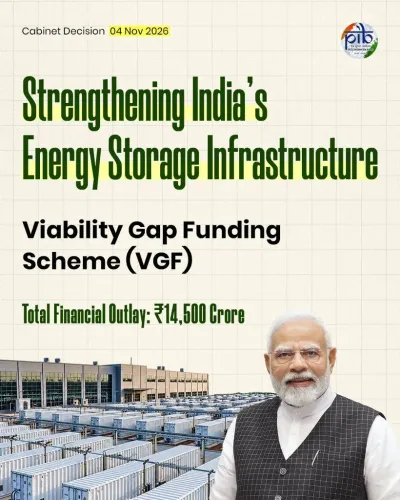
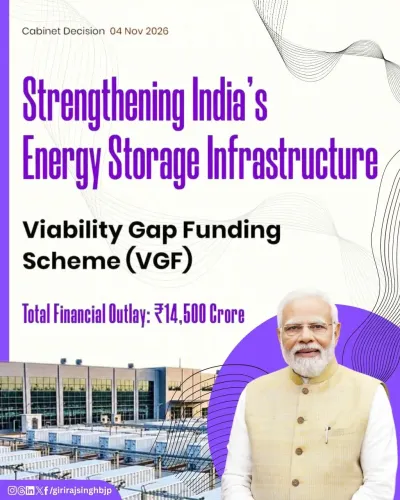
Cabinet OKs ₹14,500 Cr VGF Scheme for 92 GWh Energy Storage
Synopsis
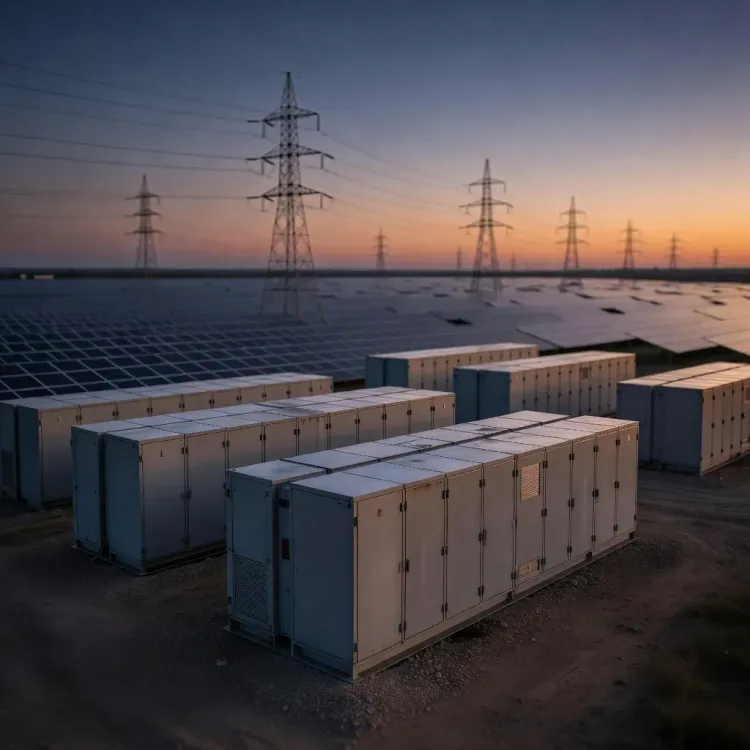
The Union Cabinet chaired by PM Narendra Modi approved a ₹14,500 crore Viability Gap Funding scheme to develop 92 GWh of grid-scale energy storage capacity from FY 2026–27 to FY 2030–31, a cornerstone of India's 500 GW non-fossil fuel target by 2030.
Key Takeaways
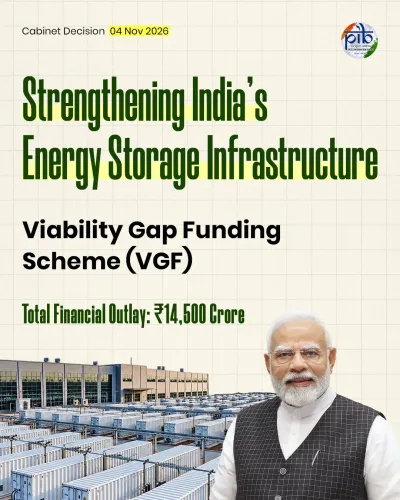
The Union Cabinet, chaired by PM Narendra Modi , approved the VGF scheme for Grid-Scale Energy Storage Systems on November 4, 2026 .
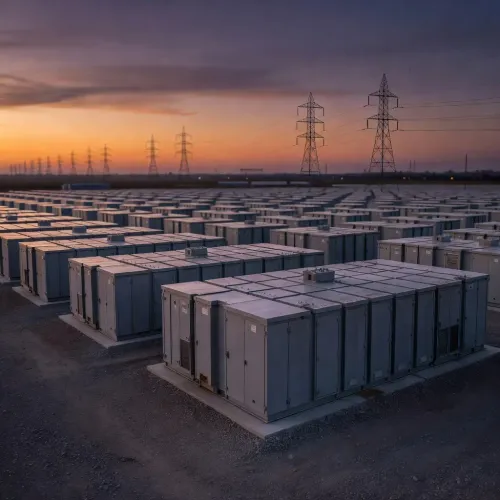
Total outlay is ₹14,500 crore to support 92 GWh of new storage capacity.
The scheme runs over five financial years: FY 2026–27 to FY 2030–31 .
Viability Gap Funding bridges the gap between project cost and market revenue, de-risking private investment in storage assets.
The scheme directly supports India's Panchamrit commitment of 500 GW non-fossil fuel capacity by 2030, made at COP26.
Key next steps include issuance of scheme guidelines and competitive bidding rounds for project allocation.
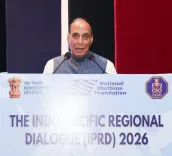
India just placed a ₹14,500 crore bet on the future of its power grid. The Union Cabinet, chaired by Prime Minister Narendra Modi, on Wednesday, November 4, 2026, approved a Viability Gap Funding scheme for Grid-Scale Energy Storage Systems — a five-year programme designed to unlock 92 gigawatt-hours of new storage capacity across the country between FY 2026–27 and FY 2030–31. Union Minister of Ports, Shipping and Waterways Sarbananda Sonowal shared the decision on X, flagging it under #CabinetDecisions.
Why 92 GWh and Why Now
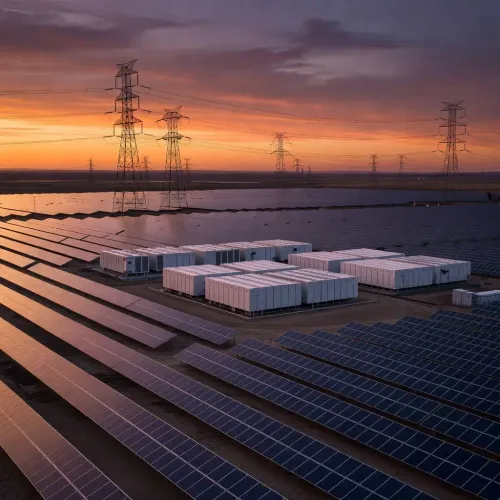
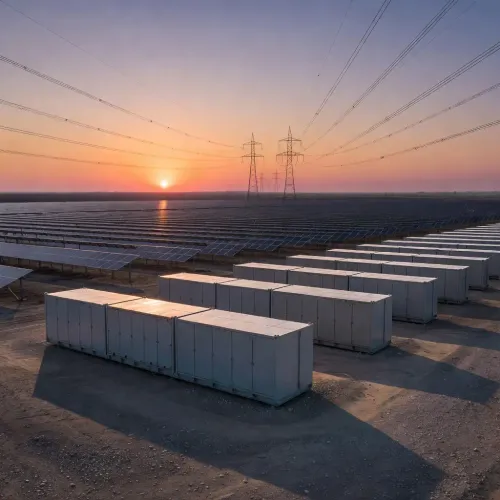
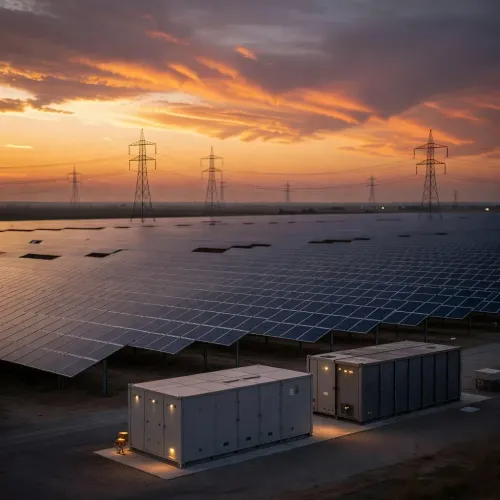
India's renewable energy buildout has a problem that solar panels and wind turbines cannot solve by themselves: the sun sets, the wind stills, and the grid still needs power. At COP26 in 2021, Prime Minister Modi committed India to the Panchamrit pledges — including 500 GW of non-fossil fuel capacity by 2030. That target is physically unachievable without large-scale storage to absorb surplus renewable generation during the day and release it when demand peaks at night. The 92 GWh target the Cabinet has now approved is a direct structural answer to that arithmetic.
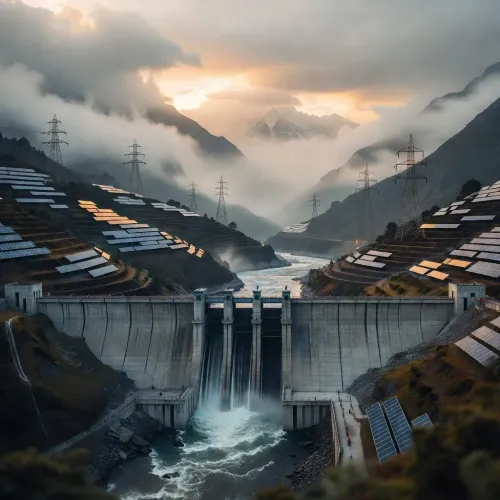
Viability Gap Funding is a well-established government instrument: the Centre bridges the gap between what a project costs to build and what the market will currently pay for its output, making otherwise unviable assets commercially attractive to private developers. Applying it to grid-scale storage — batteries, pumped hydro, or similar technologies — is a logical extension of how India has previously de-risked solar parks and transmission corridors.
Who Builds, Who Benefits
The scheme's principal beneficiaries are renewable energy developers and state power distribution utilities. For developers, the VGF cushion lowers the financial risk of building battery or pumped-storage assets before a deep merchant market exists. For state discoms — many of them financially stressed — it means access to dispatchable, clean power without bearing the full upfront capital cost. Renewable-rich states in Rajasthan, Gujarat, Tamil Nadu, and Andhra Pradesh, which already host the country's largest solar and wind fleets, stand to be early uptake candidates.
The scheme runs through FY 2030–31, giving the market a clear five-year window to mobilise projects before the funding envelope closes — a design choice that creates urgency without open-ended fiscal commitment.
From Cabinet Approval to Competitive Bids
Approval is the starting gun, not the finish line. The next critical milestones are the issuance of detailed scheme guidelines by the nodal ministry and the launch of competitive bidding rounds to allocate the VGF tranches to specific projects. Those processes will determine whether the 92 GWh target is met on schedule or stretches beyond 2030–31. State-level policy alignment — land clearances, grid connectivity, and power purchase agreements — will be equally decisive.
India's storage ambition has rarely lacked intent; execution speed at the state interface has historically been the chokepoint. This scheme's architecture — channelling central funds through a competitive, merit-based mechanism — is built to minimise that drag. The grid is waiting.
Point of View
Variable solar and wind cannot anchor a stable national grid. By channelling ₹14,500 crore through a competitive VGF mechanism rather than direct state ownership, the government is betting on private capital efficiency while retaining fiscal control over the subsidy envelope. The five-year window to FY 2030–31 creates commercial urgency for developers but puts pressure on state utilities — often the weakest link — to sign bankable power purchase agreements at pace. If execution matches ambition, this scheme could position India as one of the few emerging economies to solve grid-scale storage at sovereign scale before the decade closes.
NationPress
4 Nov 2026
Frequently Asked Questions
What is the VGF scheme for Grid-Scale Energy Storage Systems?
It is a ₹14,500 crore central government scheme that provides Viability Gap Funding to private developers to build 92 GWh of grid-scale energy storage — such as large batteries or pumped hydro — across India between FY 2026–27 and FY 2030–31.
Why does India need grid-scale energy storage?
Solar and wind power are variable — they generate when the sun shines or wind blows, not necessarily when demand peaks. Large-scale storage systems absorb surplus renewable energy and release it on demand, stabilising the grid and making India's 500 GW renewable target by 2030 operationally viable.
What is Viability Gap Funding and how does it work?
Viability Gap Funding is a government grant that covers the financial gap between the actual project cost and the revenue a private developer can earn from the market, making otherwise unviable infrastructure projects commercially attractive without full government ownership.
Which states are likely to benefit most from this energy storage scheme?
States with large existing renewable fleets — such as Rajasthan, Gujarat, Tamil Nadu, and Andhra Pradesh — are expected to be early candidates, as they face the greatest grid management challenges from surplus solar and wind generation.
What are the next steps after Cabinet approval of the storage scheme?
The nodal ministry is expected to issue detailed scheme guidelines followed by competitive bidding rounds to allocate VGF tranches to specific storage projects; state-level land clearances and power purchase agreements will also be critical milestones.