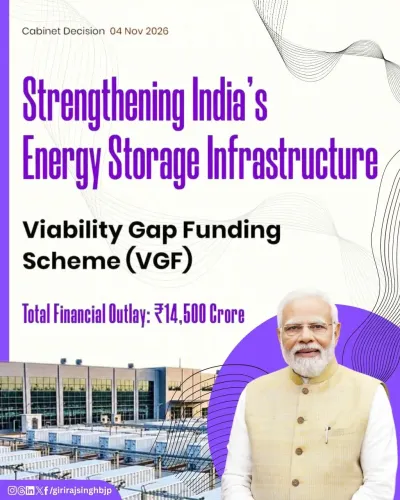
Dr. Jitendra Singh: Cabinet clears ₹14,500 cr energy storage scheme
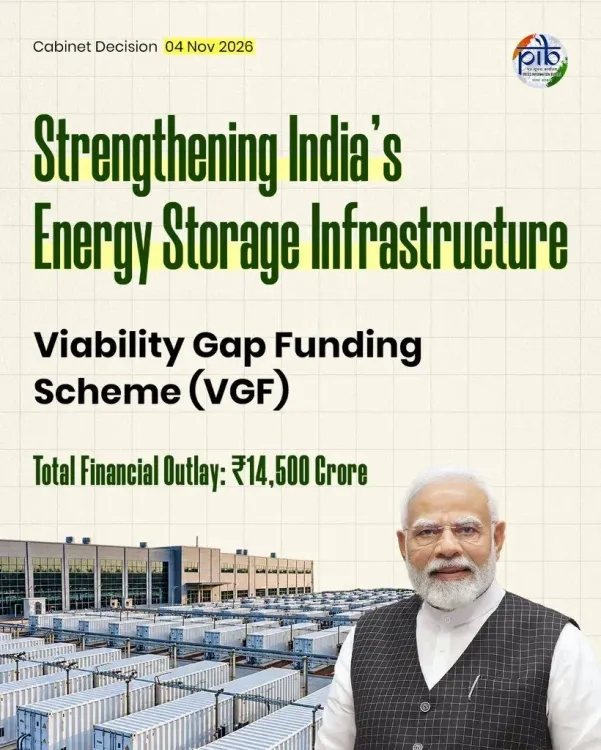
Synopsis
The Union Cabinet has cleared a ₹14,500 crore Viability Gap Funding Scheme to develop 92 GWh of grid-scale energy storage across India by FY 2030–31, directly addressing grid instability from variable solar and wind power and bolstering India's pledge of 500 GW non-fossil fuel capacity by 2030.
Key Takeaways
The Union Cabinet approved the Viability Gap Funding Scheme for Grid-Scale Energy Storage Systems worth ₹14,500 crore .
The scheme targets 92 GWh of new energy storage capacity to be developed between FY 2026–27 and FY 2030–31 .
Storage is critical to stabilising India's grid as solar and wind generation scales up rapidly.
India committed to 500 GW of non-fossil fuel capacity by 2030 at COP26 in Glasgow in 2021.
The Ministry of New and Renewable Energy is expected to issue scheme guidelines and launch capacity auctions next.
The scheme is framed as part of India's broader Aatmanirbhar Bharat energy security push.
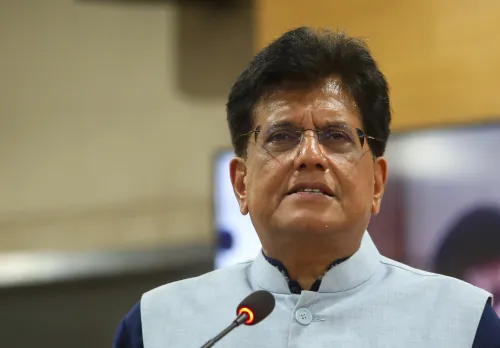
India's renewable energy ambitions just got a critical missing piece. Union Science and Technology Minister Dr. Jitendra Singh announced on Wednesday, 4 November 2026 that the Union Cabinet, led by Prime Minister Narendra Modi, has approved a ₹14,500 crore Viability Gap Funding Scheme for Grid-Scale Energy Storage Systems — a programme designed to build 92 GWh of new battery and storage capacity across India between FY 2026–27 and FY 2030–31.
Why 92 GWh is the number that matters
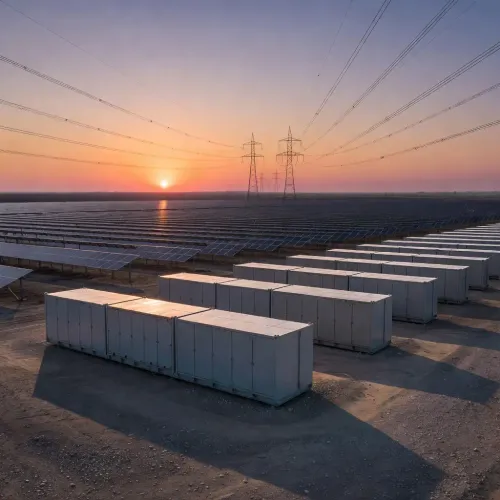
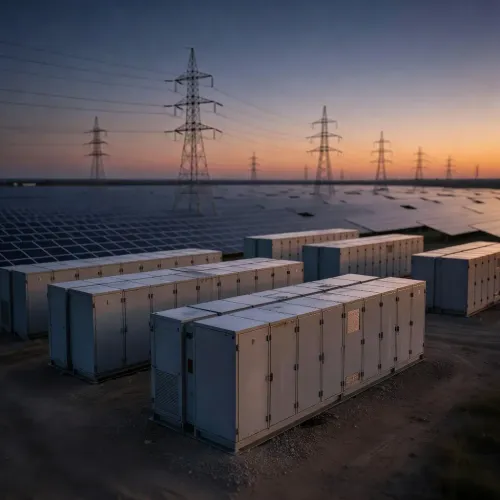
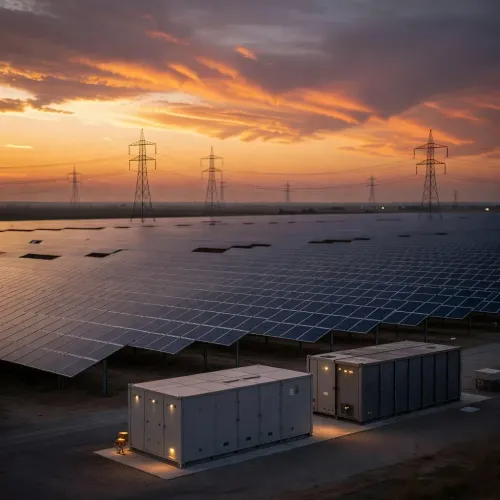
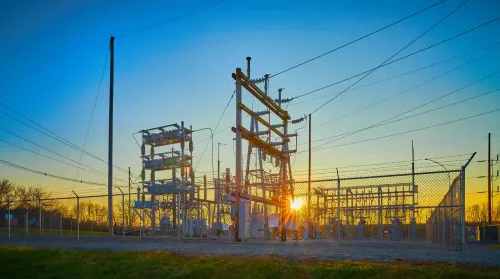
Solar panels and wind turbines generate power on nature's schedule, not the grid's. Without storage, surplus electricity is wasted during peak generation hours and demand spikes go unmet at night or on still days — a structural vulnerability that has long shadowed India's renewable push. 92 GWh of new storage capacity is a direct answer to that instability, providing the grid with a buffer large enough to shift clean power across time and geography.
India pledged 500 GW of non-fossil fuel capacity by 2030 at the COP26 climate summit in Glasgow in 2021, and separately committed to net-zero emissions by 2070. Both targets are mathematically achievable only if storage keeps pace with generation — and until now, storage has lagged badly.
Viability Gap Funding: bridging the economics of clean storage
The mechanism is deliberate. Grid-scale storage projects — pumped hydro, lithium-ion banks, emerging chemistries — carry high upfront capital costs that make them commercially unattractive without government support. Viability Gap Funding steps in to cover the difference between what a project needs to be financially viable and what the market will pay, crowding in private investment without fully subsidising it.
At ₹14,500 crore spread across five fiscal years, the scheme gives renewable energy developers and state power utilities a predictable signal: the Centre will backstop the economics of storage through the decade's most critical build-out window. The Ministry of New and Renewable Energy is expected to follow with scheme guidelines and competitive capacity auctions — the milestones that will determine how quickly the gigawatt-hours actually get built.
India's self-reliant energy future — and the grid tests ahead
Dr. Singh framed the approval as advancing 'India's vision of a self-reliant and sustainable energy future' — language that ties clean energy directly to Aatmanirbhar Bharat (self-reliant India), the broader economic doctrine the Modi government has championed since 2020. Energy security and energy sovereignty are, in this framing, the same goal.
The practical tests come next. Scheme guidelines must be notified, project tenders floated, and capacity commissioned — a chain that has historically stretched timelines in India's power sector. But the ₹14,500 crore Cabinet imprimatur is the starting gun. With 2030 now only four years away and the 500 GW pledge on the clock, India does not have the luxury of a slow start.
Point of View
Storage is funded at a scale commensurate with the generation targets already in place. This closes a long-standing policy gap where aggressive solar and wind capacity additions were not matched by grid-balancing infrastructure. The Viability Gap Funding mechanism is well-tested in Indian infrastructure — roads, airports — and its application to energy storage signals institutional confidence in the model. The real measure of ambition, however, will be the speed and competitiveness of the auctions that follow.
NationPress
4 Nov 2026
Frequently Asked Questions
What is the Viability Gap Funding Scheme for Grid-Scale Energy Storage Systems?
It is a ₹14,500 crore Central government scheme that provides financial support to make grid-scale energy storage projects commercially viable, targeting 92 GWh of new storage capacity between FY 2026–27 and FY 2030–31.
Why does India need grid-scale energy storage?
Solar and wind power output is variable and cannot be fully controlled. Grid-scale storage acts as a buffer, absorbing surplus power during peak generation and releasing it when demand spikes — essential for a stable grid as India scales up renewable capacity.
What is India's renewable energy target by 2030?
India pledged to achieve 500 GW of non-fossil fuel capacity by 2030 at the COP26 climate summit in Glasgow in 2021 . Meeting this target requires large-scale energy storage to manage grid integration.
How does Viability Gap Funding work in energy storage?
Viability Gap Funding covers the difference between the cost of building and operating a storage project and the revenue it can earn in the market, making projects financially viable and attracting private investment alongside government support.
What happens after the Cabinet approves the scheme?
The Ministry of New and Renewable Energy is expected to issue detailed scheme guidelines, float project tenders, and conduct competitive capacity auctions — the steps that will determine when the 92 GWh of storage actually gets built and commissioned.