ED raids 10 locations in Delhi-NCR, Haryana, Punjab in 'The Theka' liquor tax evasion case
Synopsis
The ED has raided 10 locations across Delhi-NCR, Haryana, and Punjab, targeting a Gurugram liquor chain allegedly at the heart of a ₹10-crore-plus tax evasion syndicate. The scheme exploited a legitimate interstate liquor transfer mechanism to supply over one lakh bottles of duty-unpaid imported liquor — without mandatory holograms — directly to retail vends.
Key Takeaways
The ED searched 10 locations across Delhi-NCR , Haryana , and Punjab on Tuesday and Wednesday under the PMLA .
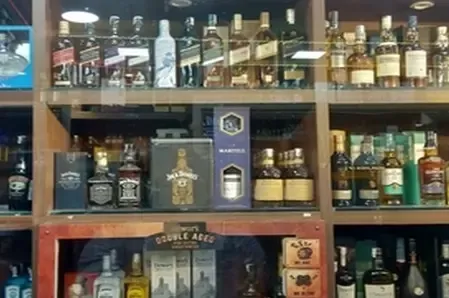
The probe targets Gurugram -based liquor vend chain 'The Theka' over alleged illegal procurement and sale of imported foreign liquor.
More than one lakh bottles of imported liquor were allegedly procured and sold illegally between June and November 2025 .
Proceeds of crime reportedly exceed ₹10 crore , with illegal sales generating profits of 20–25 per cent .
Searches yielded incriminating documents, digital records, and ₹11 lakh in cash.
The case originated from a seizure of 3,921 cases and 176 loose bottles of hologram-less liquor on 9 December 2025 by Haryana excise officials.
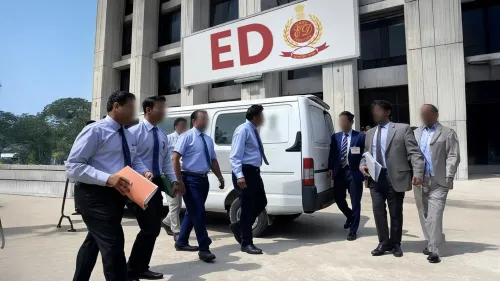
The Directorate of Enforcement (ED) has conducted search and seizure operations at 10 locations across Delhi-NCR, Haryana, and Punjab in connection with a money laundering investigation linked to the alleged illegal procurement and sale of imported foreign liquor through the Gurugram-based liquor vend chain 'The Theka'. The operations, carried out on Tuesday and Wednesday under the Prevention of Money Laundering Act (PMLA), mark a significant escalation in the probe into what investigators describe as an organised liquor syndicate.
Search Operations and What Was Found
The ED's Gurugram Zonal Office executed searches across offices and residences of individuals associated with 'The Theka', as well as foreign liquor suppliers, transporters, and others allegedly connected to the syndicate. Officials recovered incriminating documents, digital records relating to the procurement and movement of imported liquor under customs bond arrangements, and cash amounting to ₹11 lakh. Further investigation is stated to be underway.
How the Alleged Fraud Was Structured
According to the ED, the investigation traces its origins to FIRs and charge sheets filed by Haryana Police over allegations of illegal sale of imported foreign liquor and misuse of the bond-to-bond transfer mechanism — a facility that permits movement of imported liquor between states without immediate payment of customs and excise duties. To exploit this system, the syndicate allegedly established separate companies in Haryana and Goa/Maharashtra and obtained the requisite customs licences.
While the liquor was officially meant to be transported to bonded warehouses in Goa or Maharashtra, investigators allege that consignments were diverted in connivance with transporters and supplied directly to liquor vends in Gurugram. The liquor was then sold as legitimate imported stock, enabling the syndicate to evade customs duties, VAT, cesses, and other state levies.
Scale of the Alleged Operation
The case was originally triggered by a complaint from Excise Department officials, who on 9 December 2025 seized 3,921 cases and 176 loose bottles of imported foreign liquor allegedly lacking mandatory holograms and Track & Trace strips from 'The Theka'. A separate FIR was also registered against members of the syndicate over alleged involvement in the sale of spurious liquor.
The ED alleged that after securing a liquor licence for the 2025–27 period, the syndicate procured and sold imported liquor without required holograms and Track & Trace strips to boost profits. More than one lakh bottles of imported liquor were reportedly procured and illegally sold between June and November 2025. According to the agency, the operation generated profits of 20–25 per cent on illegal sales, with proceeds of crime reportedly exceeding ₹10 crore.
Broader Context
This case adds to a growing pattern of enforcement action against illicit liquor networks in the Delhi-NCR belt. Notably, misuse of the bond-to-bond transfer system has emerged as a recurring vulnerability in imported liquor regulation, with investigators flagging that the mechanism's interstate flexibility is increasingly exploited to sidestep state excise oversight. This comes amid heightened scrutiny of liquor licensing and excise policy across several states.
What Happens Next
The ED has stated that further investigation is underway, suggesting additional searches, arrests, or asset attachments may follow. Charges under the PMLA carry significant consequences, including attachment of proceeds of crime and potential prosecution. The agency's findings could also prompt Haryana's excise authorities to tighten oversight of the bond-to-bond transfer mechanism going forward.
Point of View
But its structural reliance on paperwork and transporter compliance makes it a natural target for diversion. The fact that over one lakh bottles moved through this channel undetected for nearly six months — despite mandatory hologram and Track & Trace requirements — points to either a surveillance gap or complicity further up the chain. The ED's focus on proceeds of crime under PMLA suggests the agency is building toward asset attachment, not just operational takedown. The harder question, which enforcement alone cannot answer, is whether Haryana's excise framework is equipped to close the oversight gap before the next syndicate spots the same opening.
NationPress
5 Nov 2026
Frequently Asked Questions
What is the ED's 'The Theka' liquor case about?
It is a money laundering investigation under the PMLA into the alleged illegal procurement and sale of imported foreign liquor by the Gurugram-based liquor vend chain 'The Theka' and an associated syndicate. The syndicate allegedly exploited a bond-to-bond transfer mechanism to evade customs duties, VAT, and state excise taxes, selling over one lakh bottles without mandatory holograms between June and November 2025.
What is the bond-to-bond transfer mechanism and how was it allegedly misused?
The bond-to-bond transfer system allows imported liquor to be moved between states without immediate payment of customs and excise duties, provided it is destined for a bonded warehouse. According to the ED, the syndicate established companies in Haryana and Goa/Maharashtra to obtain customs licences, then allegedly diverted consignments meant for bonded warehouses directly to Gurugram retail vends, evading all applicable duties and taxes.
How large is the alleged fraud?
The ED alleges the operation generated proceeds of crime exceeding ₹10 crore, with illegal sales yielding profits of 20–25 per cent. More than one lakh bottles of imported liquor were reportedly sold without mandatory holograms and Track & Trace strips between June and November 2025.
What was recovered during the ED searches?
During searches across 10 locations in Delhi-NCR, Haryana, and Punjab, officials seized incriminating documents, digital records related to liquor procurement and movement under customs bond arrangements, and cash amounting to ₹11 lakh.
What happens next in the case?
The ED has stated that further investigation is underway, which could lead to additional searches, arrests, or attachment of assets under the PMLA. The case was initially triggered by Haryana Police FIRs, and the agency's money laundering findings may prompt tighter regulatory oversight of the bond-to-bond transfer mechanism.