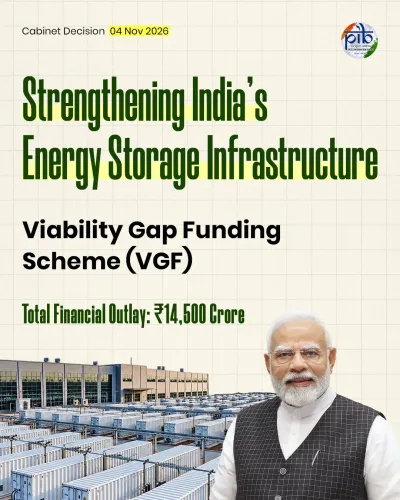
Cabinet Clears ₹14,500 Cr VGF Scheme for 92 GWh Energy Storage
Synopsis
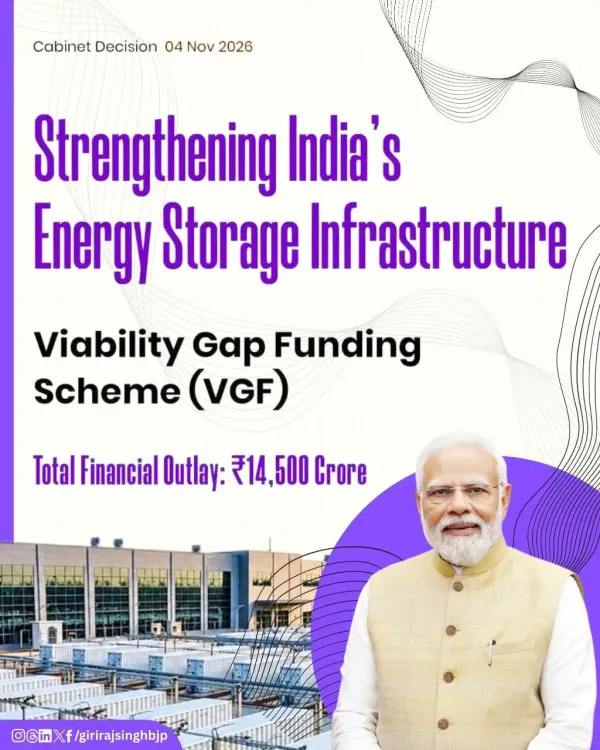
The Union Cabinet has cleared a ₹14,500 crore Viability Gap Funding scheme to develop 92 GWh of grid-scale energy storage capacity in India between FY 2026-27 and 2030-31, addressing the intermittency challenge in the country's rapidly expanding renewable energy sector.
Key Takeaways
The Union Cabinet approved a ₹14,500 crore Viability Gap Funding scheme for Grid-Scale Energy Storage Systems.
The scheme targets 92 GWh of new energy storage capacity to be developed nationwide.
The funding window runs across five financial years : FY 2026-27 to FY 2030-31.
VGF will de-risk private investment in storage projects that are economically necessary but commercially marginal.
The scheme builds on the 2021 PLI scheme for Advanced Chemistry Cells , pairing supply-side manufacturing support with demand-side grid deployment.
Key next steps include tendering, project awards, and capacity addition milestones through 2031 .
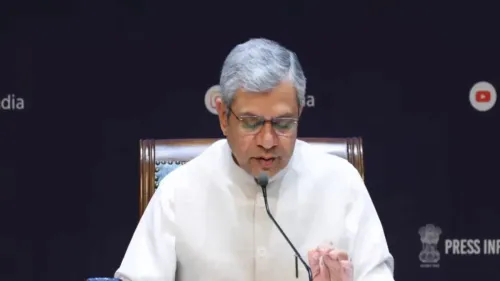
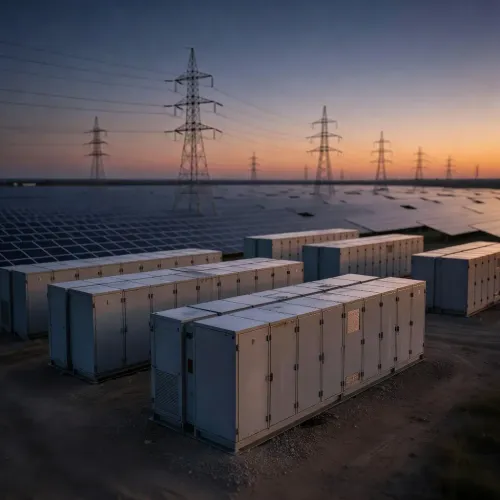
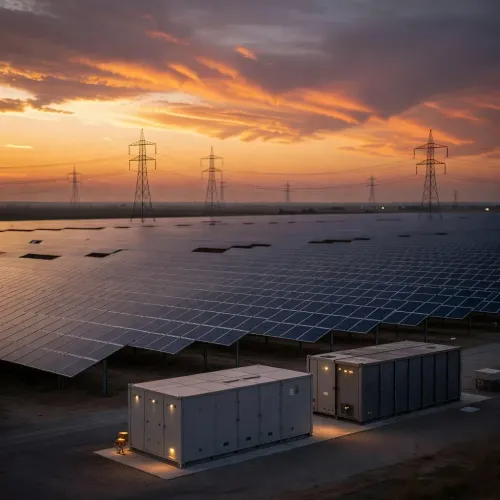
India's grid is about to get a serious battery. The Union Cabinet has approved a ₹14,500 crore Viability Gap Funding (VGF) Scheme for Grid-Scale Energy Storage Systems, targeting 92 GWh of new storage capacity to be built across the country between FY 2026-27 and FY 2030-31 — a decision Union Textiles Minister Giriraj Singh flagged Wednesday as a headline outcome of the Cabinet sitting.
What ₹14,500 crore buys India's power grid
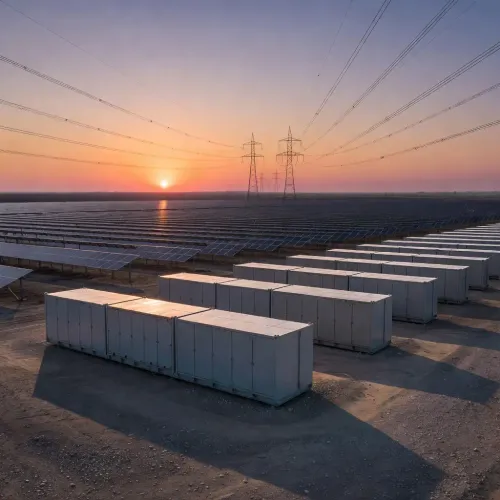
Grid-scale energy storage is, in plain terms, the missing link in India's renewable energy buildout. Solar panels and wind turbines generate power when the sun shines and the wind blows — not necessarily when households and factories need it most. Without large batteries or equivalent storage systems sitting behind the meter at the grid level, that mismatch bleeds into outages, curtailment, and costly dependence on fossil-fuel peakers.
The 92 GWh target under this scheme is designed directly at that gap. By deploying Viability Gap Funding — a government instrument that tops up returns on infrastructure projects that are economically necessary but financially marginal for private capital — the Cabinet is effectively de-risking battery storage investment to attract developers who would otherwise wait on the sidelines.
VGF's proven toolkit, now aimed at batteries
VGF is not a new invention. India has historically used the mechanism to unlock private investment in airports, ports, and urban transit projects where the social return justifies public subsidy but the commercial return alone does not. Applying the same logic to grid-scale storage marks a significant policy step: it formally treats large batteries as critical national infrastructure, on par with roads or terminals.
The move builds on the Production Linked Incentive scheme for Advanced Chemistry Cells, approved in 2021, which pushed domestic manufacturing of battery components. The VGF scheme now creates demand-side pull — an installed base of 92 GWh that can anchor a domestic storage supply chain.
The five-year clock starts ticking in FY 2027
The scheme runs across five financial years, from 2026-27 through 2030-31, giving developers a defined window and the government a clear milestones framework. What happens next — tendering, project awards, capacity addition benchmarks — will determine whether the headline numbers translate into electrons actually stored and dispatched.
Renewable energy developers and power distribution companies are the immediate beneficiaries: developers gain the financial headroom to bid on storage projects; discoms gain dispatchable renewable capacity that smooths their procurement and reduces grid stress. India's broader non-fossil fuel capacity targets, to which both central and state governments are committed, depend on exactly this kind of grid-modernisation spending coming through on schedule.
A ₹14,500 crore commitment, a five-year runway, and a 92 GWh ambition — now the real work is making the tenders fly.
Point of View
500 crore into grid-scale storage via VGF is arguably the most consequential single policy lever available to India's energy transition right now — without dispatchable storage, every new gigawatt of solar and wind added to the grid creates as many problems as it solves. Using VGF, a mechanism with a proven infrastructure track record, signals that the government is treating batteries as essential public infrastructure rather than a niche tech bet. The five-year design is deliberate: it gives enough runway to build a project pipeline, attract institutional capital, and potentially seed a domestic manufacturing ecosystem built on the 2021 ACC-PLI foundation. The real test arrives at the tendering stage — if bids are competitive and capacity addition stays on schedule, this scheme could anchor India's credibility on its non-fossil fuel commitments well into the 2030s.
NationPress
4 Nov 2026
Frequently Asked Questions
What is the VGF scheme for grid-scale energy storage in India?
The Viability Gap Funding (VGF) Scheme for Grid-Scale Energy Storage Systems is a Cabinet-approved programme providing ₹14,500 crore to support the development of 92 GWh of battery storage capacity across India between FY 2026-27 and FY 2030-31. It is designed to make storage projects financially viable for private developers.
Why does India need grid-scale energy storage?
India's rapidly growing solar and wind capacity generates power intermittently — when the sun shines or wind blows — not always when demand peaks. Grid-scale storage systems store that surplus energy and release it on demand, reducing curtailment, stabilising the grid, and reducing dependence on fossil-fuel backup plants.
How does Viability Gap Funding work for energy projects?
VGF is a government grant that bridges the gap between the economic value of an infrastructure project and its commercial viability. For energy storage, it lowers the financial risk enough to attract private developers who would otherwise find the returns insufficient, without requiring full public ownership of the assets.
What is the 92 GWh energy storage target and when will it be achieved?
The Cabinet has set a target of 92 GWh of new grid-scale energy storage capacity under this scheme, to be developed over five years from FY 2026-27 to FY 2030-31. Actual milestones will depend on the tendering process and project award timelines.
How does this scheme connect to India's earlier battery manufacturing policy?
In 2021, the government approved a Production Linked Incentive scheme for Advanced Chemistry Cells to promote domestic battery component manufacturing. The new VGF scheme creates large-scale demand for those cells through grid deployment, pairing supply-side and demand-side policy in the storage sector.