CM Samrat Choudhary Backs ₹14,500 Cr Cabinet Push for 92 GWh Storage
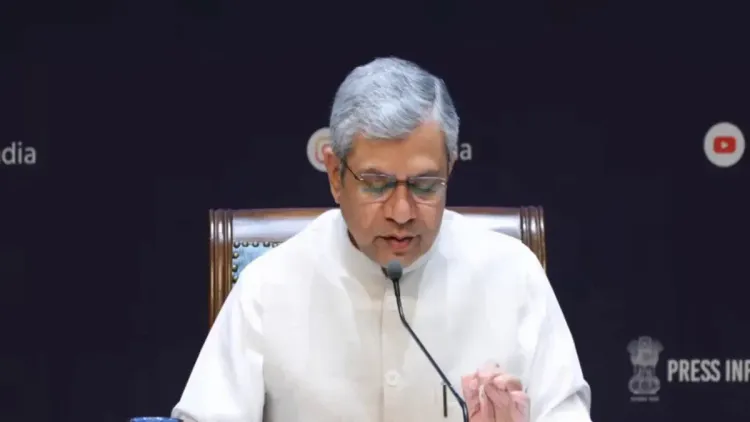
Synopsis
Bihar CM Samrat Choudhary welcomed the Union Cabinet's nod for a ₹14,500 crore VGF scheme to develop 92 GWh of grid-scale energy storage, calling it a boost to India's energy security and clean-energy ambitions under PM Modi's Viksit Bharat agenda.
Key Takeaways
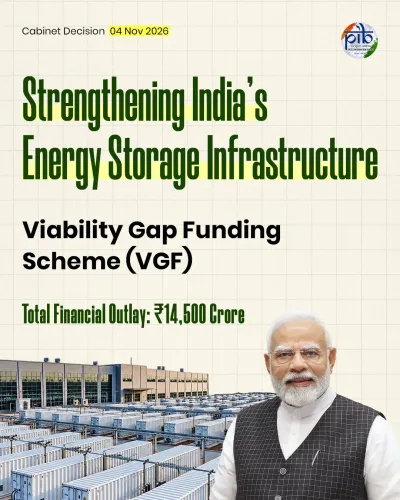
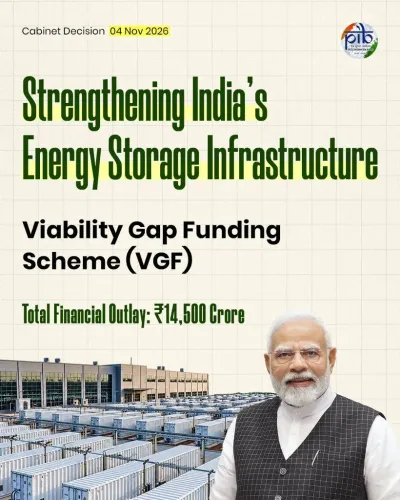
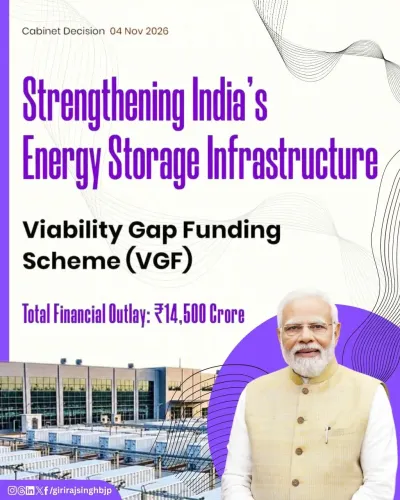
The Union Cabinet approved a ₹14,500 crore Viability Gap Funding (VGF) scheme to develop 92 GWh of grid-scale energy storage capacity in India.
Bihar CM Samrat Choudhary hailed the decision as a milestone for energy self-reliance and clean energy under PM Narendra Modi .
The move supports India's Panchamrit commitment of 500 GW non-fossil fuel capacity by 2030 and net-zero by 2070 , announced at COP26 in 2021 .
VGF bridges the commercial viability gap for grid-scale storage projects, encouraging private developer participation alongside state power utilities.
The National Energy Storage Mission framework, notified earlier by the Ministry of Power, provided the policy foundation for this Cabinet approval.
Bidding guidelines, state-level participation, and first project awards are the next milestones to watch under the scheme.
India's grid is about to get a serious energy buffer. Bihar Chief Minister Samrat Choudhary on Wednesday, November 4, 2026, hailed a landmark Union Cabinet decision approving a ₹14,500 crore Viability Gap Funding (VGF) scheme to develop 92 GWh of grid-scale energy storage capacity — a move he called central to the nation's energy security and clean-energy ambitions under Prime Minister Narendra Modi.
Posting on X in Hindi, Choudhary wrote: 'ऊर्जा आत्मनिर्भरता और स्वच्छ ऊर्जा के क्षेत्र में भारत को नई ऊंचाइयों पर ले जाने के लिए... निरंतर महत्वपूर्ण फैसले लिए जा रहे हैं' — 'Continuously important decisions are being taken to take India to new heights in energy self-reliance and clean energy.' He added that the Cabinet's nod for the VGF scheme 'will strengthen the country's energy security and renewable energy,' and called the initiative 'one that gives new energy to the resolve of Viksit Bharat.'
What ₹14,500 Crore of Viability Gap Funding Actually Unlocks
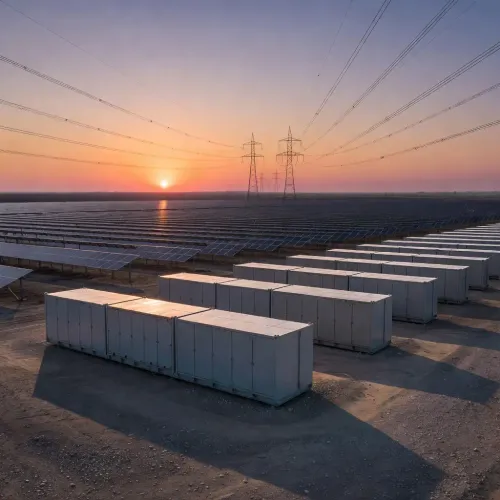
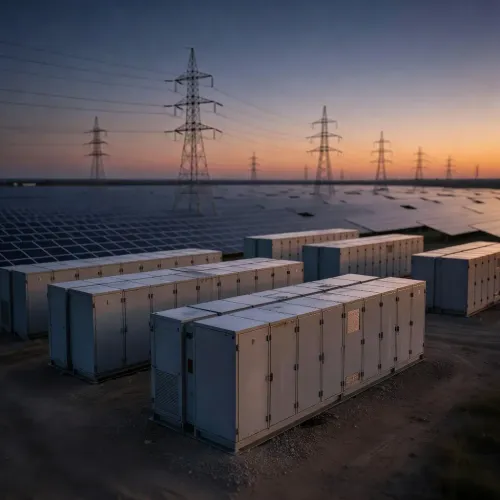
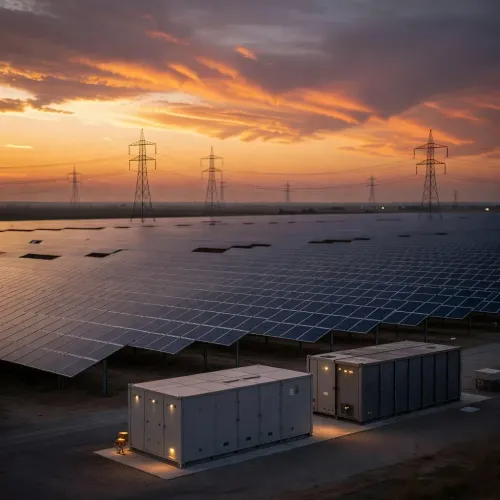
Viability Gap Funding is the government's lever for projects that are economically essential but commercially risky — bridging the financial gap so private developers enter markets they otherwise wouldn't. Applied to grid-scale storage, the logic is straightforward: renewable energy from solar and wind is intermittent, and without large batteries or pumped-storage systems to bank that power, the grid cannot reliably meet demand when the sun isn't shining or the wind isn't blowing.
A 92 GWh target is not a small ambition. To put it in perspective, it represents a significant step toward solving one of the most stubborn engineering challenges in India's energy transition — storing enough clean power to flatten the demand-supply mismatch that forces grid operators to keep fossil-fuel peaker plants on standby. The Ministry of Power had earlier laid the groundwork through the National Energy Storage Mission framework, which flagged storage as a critical complement to capacity addition.
Modi's Panchamrit Clock and the 2030 Deadline
India committed at COP26 in 2021 to PM Modi's Panchamrit climate pledges — anchored by a target of 500 GW of non-fossil fuel power capacity by 2030 and net-zero emissions by 2070. Renewable capacity has grown rapidly, but the grid's ability to absorb and dispatch that power reliably has lagged. Storage investment, funded through VGF, is precisely the mechanism successive budgets have identified to close that gap.
Bidding guidelines, state utility participation, and the first tranche of project awards will be the next concrete markers to watch as the scheme moves from approval to execution. Renewable energy developers and state power utilities stand to be the most immediate beneficiaries — the former gaining a commercially viable market, the latter gaining dispatchable capacity to stabilise grids that increasingly lean on solar and wind.
Bihar's CM Enters a National Energy Conversation
Choudhary's endorsement of a central Cabinet decision underscores the standard choreography of BJP's federal architecture — state leaders amplifying New Delhi's policy announcements to their own constituencies. For a state like Bihar, where rural electrification and reliable power supply remain live issues, the broader national push toward energy security carries direct local resonance. The CM framed the decision explicitly through the lens of Viksit Bharat — Developed India — the overarching political narrative the BJP has built its second-decade governance agenda around.
The numbers in this Cabinet decision are large, the target is specific, and the policy lineage is real. Whether the 92 GWh of storage materialises on the ground — and on schedule — will be the true test of a promise that has just moved from aspiration to approved policy.
Point of View
500 crore VGF approval for 92 GWh of grid-scale storage is a structurally significant step — not just another renewable capacity target, but an attempt to solve the intermittency problem that has quietly undermined India's clean-energy ambitions. By deploying viability gap support, the government is effectively subsidising the market-creation phase for storage, the same playbook that turbocharged solar capacity addition a decade ago. For the BJP, framing such decisions through the 'Viksit Bharat' lens — amplified by state leaders like Choudhary — is deliberate: it ties a technical infrastructure move to an aspirational national narrative heading into future electoral cycles. The real test, however, will be whether project awards move at the pace the 2030 deadline demands.
NationPress
4 Nov 2026
Frequently Asked Questions
What is the ₹14,500 crore VGF scheme approved by the Union Cabinet for energy storage?
The Union Cabinet approved a Viability Gap Funding scheme worth ₹14,500 crore to develop 92 GWh of grid-scale energy storage capacity in India, aimed at strengthening renewable energy integration and grid reliability.
What is Viability Gap Funding (VGF) and how does it work for energy storage?
Viability Gap Funding is a central government mechanism that provides financial support to infrastructure projects that are economically essential but not yet commercially attractive enough to draw private investment on their own, bridging the gap so developers can participate.
What is India's 2030 renewable energy target?
India has committed to achieving 500 GW of non-fossil fuel power capacity by 2030 and net-zero emissions by 2070, as part of PM Modi's Panchamrit climate pledges announced at COP26 in Glasgow in 2021.
Why is grid-scale energy storage important for India's clean energy goals?
Solar and wind power are intermittent — they generate electricity only when the sun shines or wind blows. Grid-scale storage systems bank that energy for use during peak demand, reducing reliance on fossil-fuel backup plants and making renewable capacity more reliable.
What did Bihar CM Samrat Choudhary say about the Cabinet's energy storage decision?
CM Choudhary praised the Cabinet's approval on November 4, 2026, saying continuously important decisions are being taken under PM Modi's leadership to take India to new heights in energy self-reliance, and called the VGF scheme a boost to the Viksit Bharat vision.