CM Hemant Soren chairs meet on Jharkhand language education policy draft
Synopsis
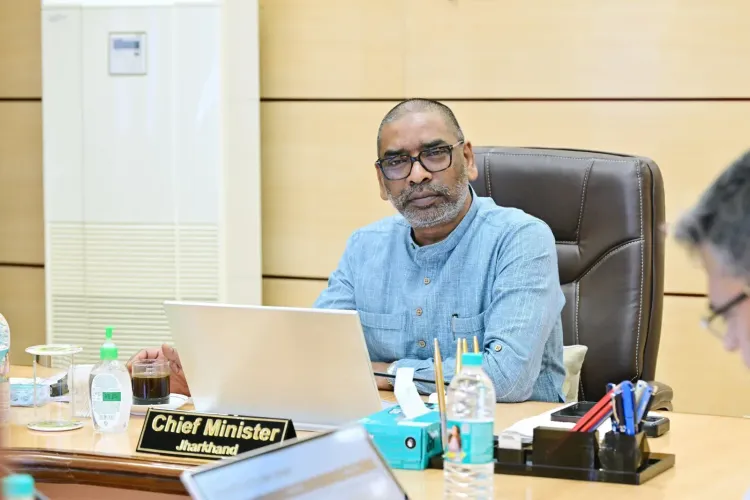
Jharkhand Chief Minister Hemant Soren chaired a meeting in Ranchi on 4 November 2026 on the state's language education policy draft, issuing directives to School Education and Literacy Department officials — a step toward securing mother-tongue instruction for tribal schoolchildren aligned with NEP 2020.
Key Takeaways
CM Hemant Soren attended a meeting of the Jharkhand School Education and Literacy Department in Ranchi on 4 November 2026 .
The meeting focused on key points of the Jharkhand State Language Education Policy draft .
Soren issued multiple directives to officials present at the session.
The policy is aligned with the National Education Policy 2020 , which mandates mother-tongue-based multilingual education in early schooling.
Jharkhand's large Adivasi population — speaking languages such as Santhali, Ho, and Mundari — stands to be a primary beneficiary of the proposed framework.
Finalisation of the draft and any subsequent government orders or school pilot programmes are the key milestones to watch.
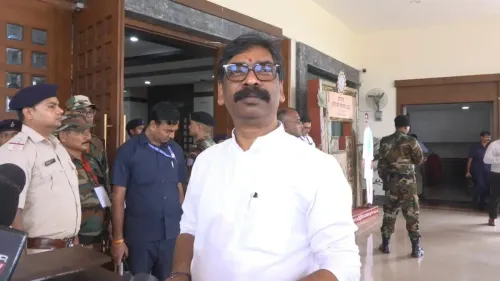
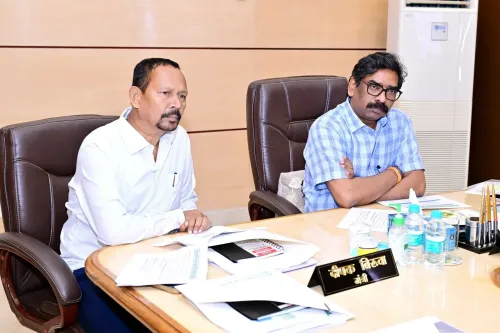
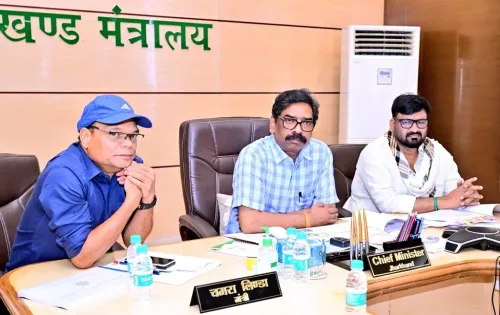
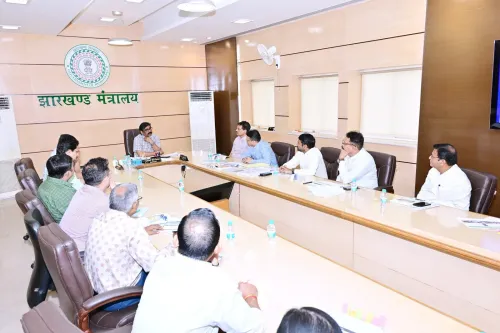
A quiet but consequential meeting in Ranchi on Wednesday, 4 November 2026 signalled Jharkhand's intent to push forward a dedicated language education framework — Jharkhand Chief Minister Hemant Soren attended a session convened by the School Education and Literacy Department to deliberate on key points of the Jharkhand State Language Education Policy draft, and issued a set of directives to officials present.
Posting on X, Chief Minister Soren said he had given 'several directions to officers present at the meeting held today in Ranchi by the School Education and Literacy Department regarding points of the Jharkhand State Language Education Policy draft' — ('कई दिशा-निर्देश दिए', 'gave several directives').Why a state language policy matters for Jharkhand
Jharkhand is home to one of India's largest Adivasi populations, with significant communities speaking languages such as Santhali, Ho, Mundari, and Kurmali — tongues that often go unrepresented inside a standard classroom. For generations, the structural gap between a child's first language at home and the language of instruction at school has quietly undermined learning outcomes in the state's tribal belts.
That gap is precisely what the National Education Policy 2020 sought to address nationally — mandating mother-tongue-based multilingual education in the early years of schooling. For states with significant tribal populations, however, translating that mandate into workable curricula, trained teachers, and printed materials is a complex administrative undertaking, not a stroke-of-the-pen fix.
From NEP intent to state-level drafting
Wednesday's meeting is part of that harder, procedural work. The School Education and Literacy Department is the nodal body responsible for translating federal education policy direction into Jharkhand-specific implementation — covering curriculum design, teacher training pipelines, and literacy programmes reaching the state's approximately 44,000-plus government schools.
Indian states from Tamil Nadu to Karnataka have already moved to formalise language-in-education policies in the NEP era. Jharkhand's draft policy, still in its formulation stage, represents the state's bid to build a legal and administrative scaffolding that secures tribal and regional language instruction — not as an aspiration, but as a government-backed guarantee.
What comes next for the draft
The directives issued by CM Soren at the meeting are expected to shape the refinement of the draft before it moves toward formal adoption. The critical next steps — finalisation of the draft text, potential public consultations, and any government orders or pilot rollouts in Jharkhand schools — remain to be watched. The Chief Minister's direct involvement signals the policy is being tracked at the top of the government, not left to departmental routine.
For the state's tribal schoolchildren, the difference between a draft gathering dust and one that becomes operational policy is measured in classrooms — where a child either hears instruction in a language they know, or doesn't.
Point of View
Owning the language-in-education agenda publicly is strategically valuable for the JMM. The policy also inserts Jharkhand into a wider national conversation about whether NEP 2020's mother-tongue mandate will be implemented substantively or merely on paper. If the draft advances to formal adoption and pilot implementation, it could become a replicable model for other states with significant tribal populations seeking to operationalise multilingual education. The critical test will be whether the directives issued on Wednesday translate into a concrete, funded, and time-bound rollout — or remain at the aspirational drafting stage.
NationPress
4 Nov 2026
Frequently Asked Questions
What is the Jharkhand State Language Education Policy?
It is a draft policy being developed by Jharkhand's School Education and Literacy Department to formalise language-in-education frameworks for the state's schools, with a focus on incorporating regional and tribal languages in curricula in line with the National Education Policy 2020.
Why did CM Hemant Soren attend the language education meeting on 4 November 2026?
Chief Minister Hemant Soren attended the meeting in Ranchi to review key points of the Jharkhand State Language Education Policy draft and issue directives to officials of the School Education and Literacy Department on taking the policy forward.
How does NEP 2020 relate to Jharkhand's language education policy?
The National Education Policy 2020 mandates mother-tongue-based multilingual education in early years of schooling. Jharkhand's draft state language policy is an effort to operationalise this mandate at the state level, particularly for tribal-language-speaking communities.
Which tribal languages are spoken in Jharkhand?
Jharkhand's Adivasi communities speak several indigenous languages, prominently including Santhali, Ho, Mundari, and Kurmali. These languages are central to the rationale for a state language education policy.
What happens after the Jharkhand language education policy draft meeting?
The next steps involve refining the draft based on CM Soren's directives, potentially conducting public consultations, and moving toward formal adoption followed by government orders or pilot implementation in Jharkhand government schools.