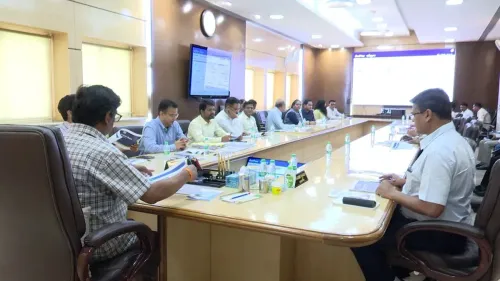
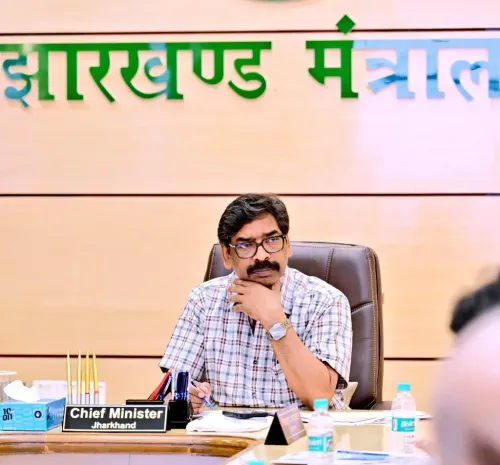
CM Hemant Soren Reviews Jharkhand School Education Dept
Synopsis
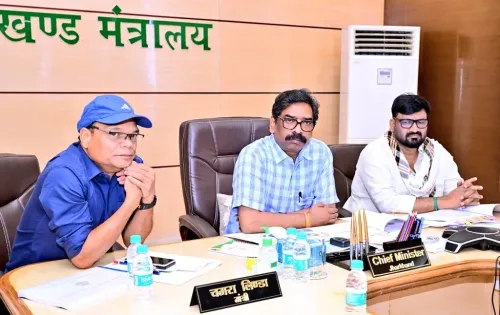
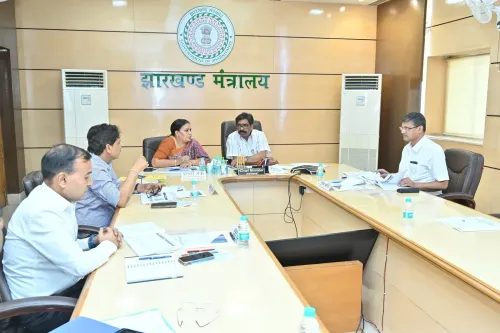
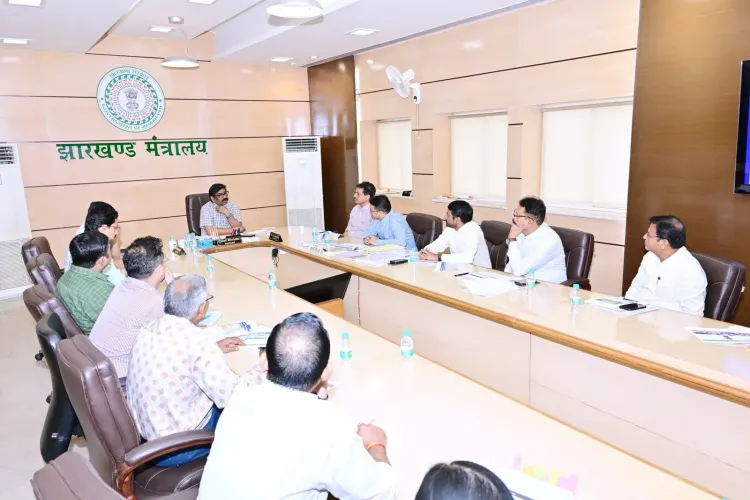
Chief Minister Hemant Soren on 26 May 2026 reviewed the School Education and Literacy Department and issued directives to officials, with the Jharkhand Education Project Council also in focus, signalling a push on school scheme delivery ahead of the next academic session.
Key Takeaways
CM Hemant Soren chaired a review of the School Education and Literacy Department on 26 May 2026 .
Directives were issued to senior officials following the departmental review.
The Jharkhand Education Project Council (JEPC) was directly involved, as confirmed by the CMO's official post.
Jharkhand implements school education under Samagra Shiksha Abhiyan and the Right to Education Act framework.
The review is significant for tribal and remote districts where last-mile education delivery remains a challenge.
Possible follow-up actions include directives on teacher recruitment, infrastructure, and scheme monitoring ahead of the new academic session.
The Chief Minister's Office of Jharkhand announced on Tuesday, 26 May 2026 that Chief Minister Hemant Soren conducted a formal review of the School Education and Literacy Department, issuing directives to senior officials on departmental functioning. The review also involved the Jharkhand Education Project Council (JEPC), the state's nodal agency for implementing centrally sponsored school education schemes.
Context
The CMO's post, shared in Hindi, stated: 'Mukhyamantri Shri Hemant Soren ne Schooli Shiksha evam Saksharta Vibhag ke karyon ki samiksha ki. Adhikariyon ko diye nirdesh.' — translated as: 'Chief Minister Shri Hemant Soren reviewed the work of the School Education and Literacy Department. Instructions were given to officials.' The tagging of @JepcJharkhand in the post confirms JEPC's direct involvement in the proceedings.
Such departmental reviews are a standard governance mechanism through which chief ministers assess scheme delivery, flag implementation gaps, and issue corrective directions. The timing — ahead of the next academic session — adds operational significance to the exercise.
Policy Backdrop
Jharkhand's school education framework operates under the Right to Education Act, adopted by the state from 2011 onward, which mandates free and compulsory education for children aged 6 to 14. The state is also an active participant in Samagra Shiksha Abhiyan, the integrated school education programme launched in 2018-19 that merged the earlier Sarva Shiksha Abhiyan, Rashtriya Madhyamik Shiksha Abhiyan, and Teacher Education programmes into a single umbrella scheme.
JEPC serves as the primary implementing body for Samagra Shiksha funds in Jharkhand, overseeing infrastructure development, teacher training, mid-day meal coordination, and compliance with RTE norms across the state's districts. Jharkhand's tribal and remote geographies make last-mile delivery of education services a persistent policy challenge.
Stakeholders and Impact
The review directly concerns school students, teachers, and rural households across Jharkhand, particularly in tribal belts where access to quality schooling remains uneven. Directions issued to officials at such reviews typically cover areas such as enrollment drives, learning outcome assessments, teacher vacancies, and physical infrastructure in government schools.
The Soren government has consistently positioned education access in tribal and remote districts as a constitutional obligation and a development priority. Departmental reviews at the CM level signal political attention to implementation quality, which can accelerate administrative action on pending issues.
What's Next
Follow-up actions from this review may include fresh directives on teacher recruitment, school infrastructure upgrades, or scheme monitoring protocols ahead of the upcoming academic session. Observers will watch whether JEPC issues revised implementation timelines or whether the state government announces additional allocations in the next budget cycle. The review's outcomes could also feed into Jharkhand's annual performance report under Samagra Shiksha submitted to the central government.
Point of View
With JEPC explicitly in the frame, reflects a pattern of using high-visibility departmental audits to signal governance intent ahead of key administrative cycles. For a state where tribal enrollment gaps and teacher vacancies have been recurring concerns, such reviews serve both a corrective and a political signalling function. The involvement of JEPC — the conduit for central Samagra Shiksha funds — suggests the review may have touched on fund utilisation and compliance timelines, areas where state performance is benchmarked nationally. Whether concrete policy announcements follow will determine if this review translates into measurable change or remains a procedural exercise.
NationPress
12 Oct 2026
Frequently Asked Questions
Why did CM Hemant Soren review the School Education Department?
CM Hemant Soren reviewed the School Education and Literacy Department to assess departmental functioning and issue directives to officials, a standard governance practice ahead of the academic session.
What is the Jharkhand Education Project Council (JEPC)?
JEPC is the state-level implementing agency for centrally sponsored school education schemes including Samagra Shiksha Abhiyan, overseeing infrastructure, teacher training, and RTE compliance across Jharkhand.
What is Samagra Shiksha Abhiyan?
Samagra Shiksha Abhiyan is an integrated school education programme launched in 2018-19 that merged Sarva Shiksha Abhiyan, Rashtriya Madhyamik Shiksha Abhiyan, and Teacher Education into one umbrella scheme.
What issues does Jharkhand face in school education?
Jharkhand faces challenges in last-mile delivery of education in tribal and remote districts, including teacher vacancies, infrastructure gaps, and ensuring enrollment and learning outcomes under RTE norms.
What could follow from this departmental review by CM Soren?
Possible follow-up actions include new directives on teacher recruitment, school infrastructure, and scheme monitoring, as well as revised JEPC implementation timelines ahead of the next academic session.