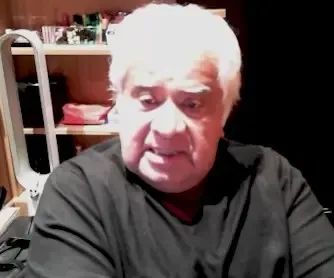
Harish Salve warns of Nepal, Bangladesh-like destabilisation bid in India
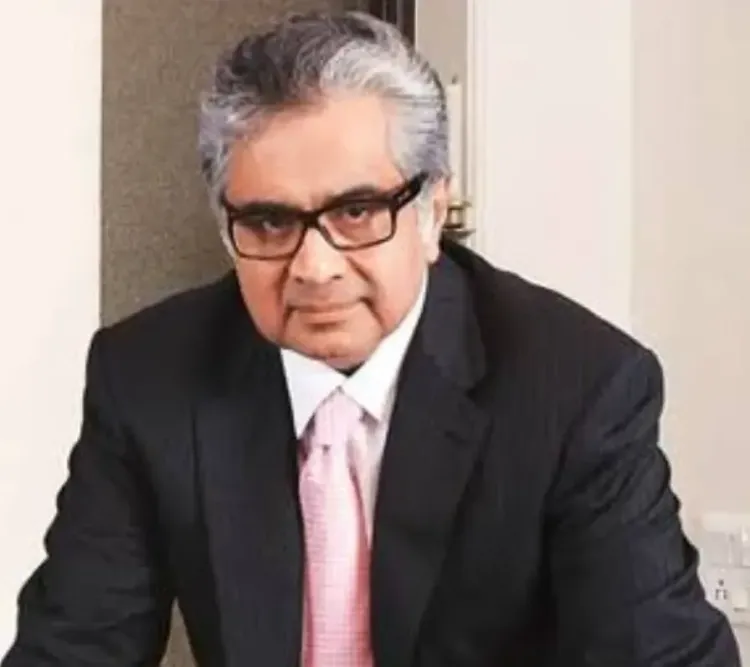
Synopsis
Former Solicitor General Harish Salve has publicly alleged that foreign-funded actors are attempting to replicate in India the kind of political upheaval that recently unseated governments in Nepal and Bangladesh — naming specific protest leaders and questioning their overseas funding sources. It is a pointed intervention that raises difficult questions about the intersection of civil society, foreign money, and state security.
Key Takeaways
Harish Salve , former Solicitor General of India, alleged on 12 October 2026 that external forces are attempting to engineer political instability in India.
Salve claimed foreign funding is reportedly flowing into certain protest movements and questioned the financial sources behind them.
He named Dipke , Saurav Das , and several YouTubers as individuals who had emerged as protest leaders, some reportedly based in Germany .
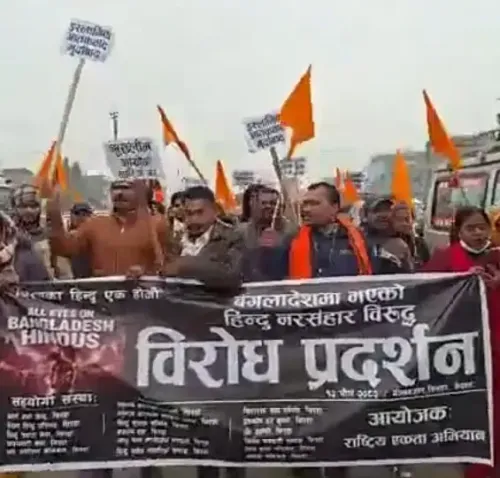
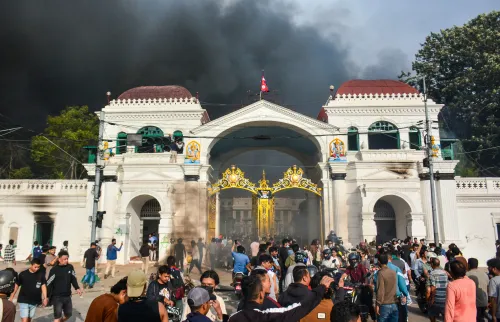
He drew parallels with political upheavals in Nepal , Sri Lanka , and Bangladesh , including the removal of former PM Sheikh Hasina .
Salve said he does not consider current protests a genuine people's movement and expects them not to last.
He called on the government to investigate foreign funding allegations and take appropriate action.
Senior advocate and former Solicitor General of India Harish Salve has alleged that attempts are being made to engineer political instability in India similar to upheavals recently witnessed in Nepal and Bangladesh — and that external forces may be playing a role in fomenting that unrest. Salve made the remarks in an interview published on 12 October 2026, drawing sharp attention to the funding and leadership of certain protest movements in the country.
The Foreign Funding Allegation
Salve claimed that foreign money was reportedly flowing into specific protest activities in India, and questioned the financial sources behind organised demonstrations. He named individuals he said had emerged as protest leaders — including people he identified as Dipke, Saurav Das, and several YouTubers — and pointed to what he described as a pattern of overseas-based individuals suddenly assuming prominent roles in domestic agitations.
'In India, too, some people have emerged as leaders of protests, including Dipke, Saurav Das and some YouTubers. Some people live in Germany and other countries and suddenly become leaders here. Where are they getting the money for these activities? Organising protests requires funding,' Salve said.
Drawing Parallels With Neighbouring Countries
Salve drew explicit parallels with recent political crises in Nepal, Sri Lanka, and Bangladesh, questioning the role of external actors in those upheavals. He specifically referenced the removal of former Bangladeshi Prime Minister Sheikh Hasina and the subsequent political transition, arguing that foreign forces were instrumental in those developments.
'Is there any doubt about who was behind the turmoil in Nepal, Sri Lanka and Bangladesh? Who removed Sheikh Hasina, and who brought in the new Prime Minister there? In my opinion, external forces were behind these events,' he said.
He alleged that a similar pattern was now becoming visible in India over the past six to eight months, with coordinated activities aimed at obstructing the functioning of the government.
Context: India's Current Policy Focus
Salve framed the alleged destabilisation attempts against the backdrop of the government's ongoing priorities — including managing the Strait of Hormuz crisis, advancing economic development, technological progress, and expanding India's satellite capabilities. He argued that the groups in question were specifically seeking to distract and derail official attention from these objectives.
'While the Modi government is focusing on dealing with the Strait of Hormuz crisis, economic development, technological progress and enhancing India's satellite capabilities, these groups are trying to prevent the government from moving forward,' he said.
Is This a People's Movement?
Salve was categorical in his assessment that the protest activities he described did not constitute a genuine public uprising. He said that authentic people's movements historically drew mass support because citizens could relate to the core issues being raised — and that he did not see that dynamic at play here.
'I do not consider this a people's movement,' he said, adding that he did not expect such activities to sustain themselves over time for the same reason.
He also raised concern over what he characterised as the spread of misleading narratives through digital platforms, including YouTube videos, reels, and short-form messages, which he argued were being used to amplify the perception of popular discontent.
What Salve Says the Government Should Do
Salve maintained that it was the government's responsibility to investigate allegations of foreign funding and take appropriate legal and administrative action. He stopped short of prescribing specific measures but was clear that he viewed such investigations as a legitimate and necessary exercise of state authority. His remarks are likely to intensify political debate over the boundaries between the right to protest and state oversight of civil society funding — a question that has been contested in India for several years. How the government responds to these calls, and whether any formal probe is announced, will be closely watched.
Point of View
The government is relieved of the burden of engaging with the substantive grievances being raised. The Bangladesh comparison deserves scrutiny — Sheikh Hasina's ouster followed years of documented domestic repression, not merely foreign meddling. Conflating the two risks distorting both the Indian and Bangladeshi contexts. The demand for transparency in protest funding is legitimate; the leap from that to attributing all organised dissent to foreign interference is a different, and far more consequential, claim.
NationPress
12 Oct 2026
Frequently Asked Questions
What did Harish Salve allege about protests in India?
Harish Salve alleged that attempts are being made to create political instability in India similar to upheavals in Nepal and Bangladesh, claiming that external forces may be funding and orchestrating certain protest movements. He made these remarks in an interview published on 12 October 2026.
Who did Salve name as protest leaders with alleged foreign links?
Salve named individuals he identified as Dipke and Saurav Das, along with several YouTubers, as people who had emerged as protest leaders. He alleged that some of these individuals are based in Germany and other countries and questioned where they were sourcing their funding.
How did Salve link India's situation to Bangladesh and Nepal?
Salve drew parallels between India and the recent political upheavals in Nepal, Sri Lanka, and Bangladesh, specifically referencing the removal of former Bangladeshi Prime Minister Sheikh Hasina. He argued that external forces were behind those transitions and alleged a similar pattern was emerging in India.
Does Salve consider current Indian protests a genuine people's movement?
No. Salve explicitly stated he does not consider current protest activities a genuine people's movement, arguing that authentic public movements draw broad support because citizens can relate to the issues. He predicted the current activities would not last long for this reason.
What action did Salve say the government should take?
Salve maintained that the government has a responsibility to investigate allegations of foreign funding behind protest activities and take appropriate legal and administrative action, though he did not specify the exact measures he had in mind.