CM Yogi Pledges Unlimited Funds for Disaster-Hit Roads in UP
Synopsis
Uttar Pradesh CM Yogi Adityanath declared on October 12, 2026 that the state will spend whatever is needed to repair roads and infrastructure damaged by disasters, extreme rainfall, or cyclones — promising funds with no ceiling.
Key Takeaways
CM Yogi Adityanath announced on October 12, 2026 that UP will place no financial cap on disaster-related infrastructure repair.
The pledge covers damage caused by natural disasters, extreme rainfall (atirrishti), and cyclones .
Roads and all other forms of damaged infrastructure are explicitly included in the commitment.
The public declaration creates a political accountability marker for district officials and the Public Works Department.
Uttar Pradesh's eastern districts are historically among the most flood-prone in India, making the assurance especially consequential post-monsoon.
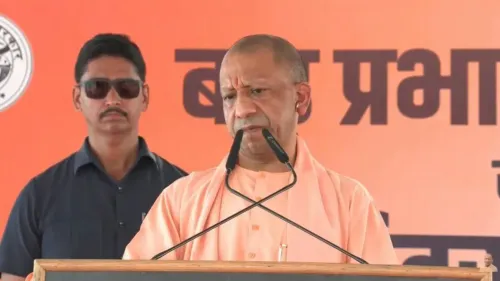
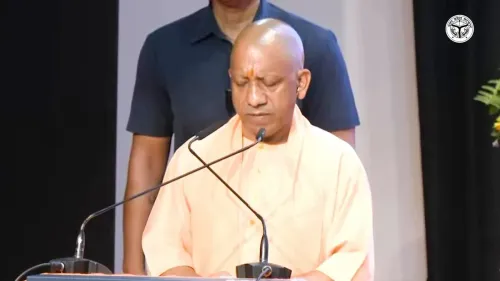
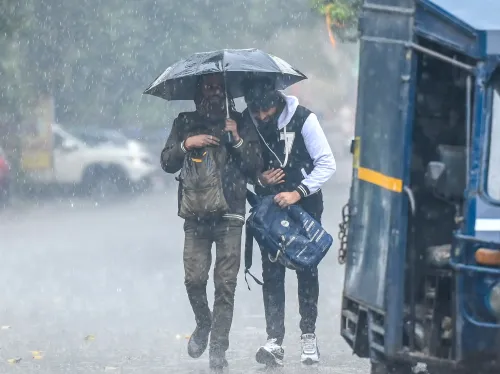
When roads wash away and villages go dark after a storm, the question that always follows is the same: will the money come? Uttar Pradesh Chief Minister Yogi Adityanath answered that question with unusual directness on Monday, October 12, 2026, declaring that the state government will place no financial ceiling on repairs caused by disasters, heavy rainfall, or cyclones.
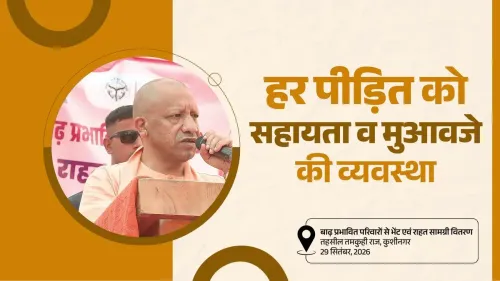
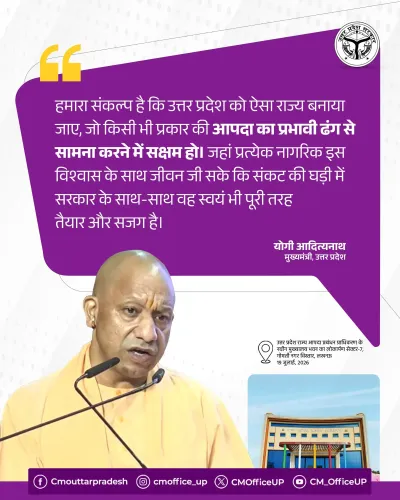
Posting on X, CM Yogi stated — 'Jitna paisa kharch hota hai, kariye, paisa hum denge' ('Spend whatever it takes — we will provide the funds') — a commitment that cuts through the bureaucratic hesitation that often slows post-disaster reconstruction in large states.The Scale of UP's Disaster Exposure
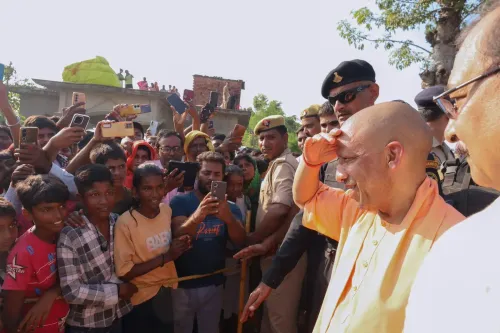
Uttar Pradesh, with a population exceeding 240 million, faces recurring damage from monsoon flooding, cloudbursts, and, in its eastern districts, the tail-ends of Bay of Bengal cyclones. Roads — particularly rural link roads connecting villages to markets and health centres — are routinely the first infrastructure to fail and the last to be repaired. A blanket funding assurance from the Chief Minister himself, rather than a capped departmental allocation, signals that bureaucratic delays over budget approvals will not be an acceptable excuse this cycle.
No Cap, No Delay: What the Directive Means on the Ground
The statement's significance lies in its scope: roads, and 'any other damage' caused by disaster, atirrishti (extreme rainfall), or cyclone are all covered. By placing this on record publicly, CM Yogi effectively creates a political accountability marker — district officials and engineers can cite the CM's own assurance when requesting funds, and citizens can point to it if repairs are delayed.
The CM heads the Gorakhnath Math in Gorakhpur, a region that has itself historically suffered severe flood damage from the Rapti and Rohini rivers. His personal familiarity with flood-season dislocation in eastern UP lends the pledge a grounded urgency rather than a ceremonial ring.
Signal to the Administration
Public statements of this kind — made on a high-visibility platform — serve a dual purpose: they reassure affected communities and simultaneously put district administrations and the Public Works Department on notice. In a state as vast and administratively layered as UP, a direct signal from the top often moves files faster than formal circulars. The real test will be in the speed of disbursement to the most flood-prone districts before the current post-monsoon window closes.
The season that breaks infrastructure also builds political reputations — and CM Yogi has made his bet on speed and scale.
Point of View
Public commitments from the top often unlock ground-level action faster than internal circulars. By removing the budget-ceiling excuse, the CM shifts accountability squarely onto the district machinery. The timing, coming in the post-monsoon assessment period, fits a broader BJP governance narrative of visible, measurable delivery on infrastructure. Whether the assurance translates into rapid disbursement will determine whether it registers as substance or slogan.
NationPress
12 Oct 2026
Frequently Asked Questions
What did CM Yogi Adityanath say about disaster relief funds?
CM Yogi declared that there is no shortage of funds for repairing roads or any other damage caused by disasters, heavy rainfall, or cyclones in Uttar Pradesh, and that the state government will bear whatever cost is required.
Which types of disasters are covered under CM Yogi's funding pledge?
The pledge covers damage caused by general disasters, extreme rainfall (atirrishti), and cyclones, and applies to roads as well as any other infrastructure that is damaged.
How will CM Yogi's announcement help flood-affected areas in UP?
By publicly removing any financial ceiling on repairs, the announcement allows district officials and engineers to immediately request and deploy funds without waiting for bureaucratic budget approvals, potentially speeding up reconstruction in flood-hit areas.
Which parts of Uttar Pradesh are most vulnerable to flood and cyclone damage?
Eastern Uttar Pradesh, including districts around Gorakhpur, and regions along the Rapti, Rohini, and other rivers are historically the most vulnerable to monsoon flooding and cyclone tail-winds.
Is there a specific budget figure attached to CM Yogi's disaster repair pledge?
No specific figure was announced. The commitment is explicitly open-ended — CM Yogi stated that whatever funds are spent will be provided by the state government.