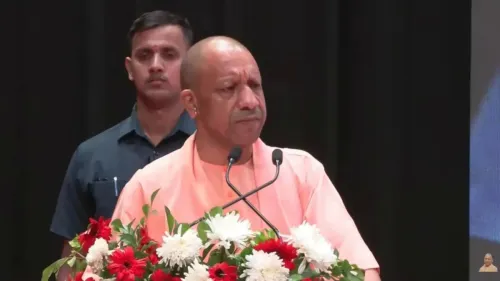
CM Yogi Pledges Disaster-Ready UP, Citizen Preparedness
Synopsis
Chief Minister Yogi Adityanath, through the UP Chief Minister's Office, has pledged to make Uttar Pradesh a fully disaster-resilient state, stressing that every citizen must be as prepared as the government itself in times of crisis — a stance rooted in India's two-decade-old disaster management policy framework.
Key Takeaways
The Chief Minister's Office of Uttar Pradesh posted Chief Minister Yogi Adityanath's statement on 19 July 2026 , at the height of the monsoon season.
The statement commits to making Uttar Pradesh capable of 'effectively facing any kind of disaster' — floods, droughts, and earthquakes among the primary risks.
Adityanath emphasised dual preparedness: both the government machinery and individual citizens must be 'fully prepared and alert' during crises.
The commitment aligns with the Disaster Management Act, 2005 , and the National Policy on Disaster Management, 2009 , which mandated a shift from relief to proactive risk reduction.
Uttar Pradesh's approximately 24 crore residents — particularly those in flood-prone river districts — are the primary stakeholders of this policy posture.
Upcoming indicators to watch include revision of the UP State Disaster Management Plan and any multi-district mock drills during the monsoon period.
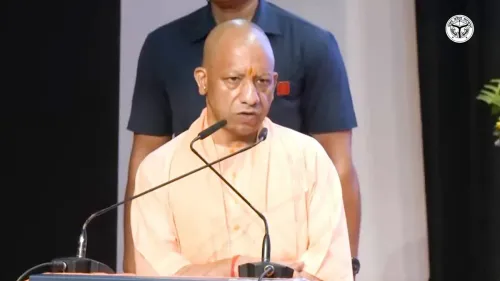
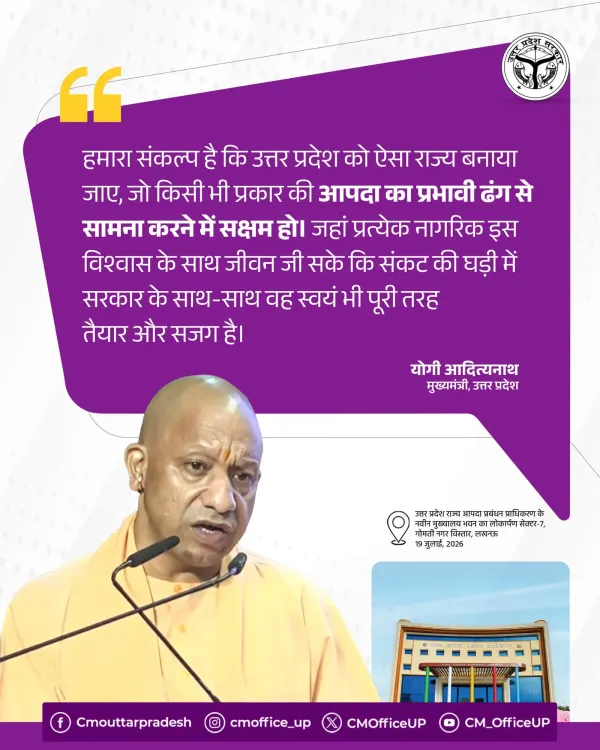
The Chief Minister's Office of Uttar Pradesh, citing Chief Minister Yogi Adityanath, on Sunday, 19 July 2026, reaffirmed the state government's resolve to transform Uttar Pradesh into a fully disaster-resilient state where both administration and citizens are equipped to respond to any emergency.
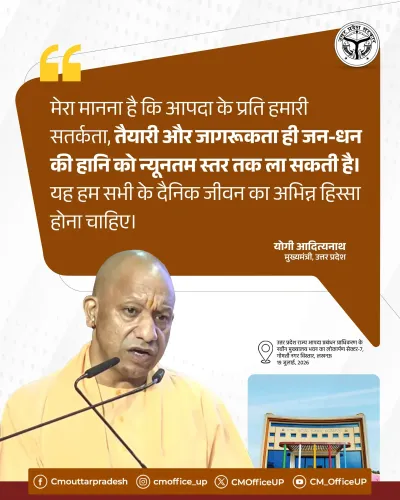
In the post, Chief Minister Adityanath was quoted as saying: 'हमारा संकल्प है कि उत्तर प्रदेश को ऐसा राज्य बनाया जाए, जो किसी भी प्रकार की आपदा का प्रभावी ढंग से सामना करने में सक्षम हो।' ['Our resolve is to make Uttar Pradesh a state capable of effectively facing any kind of disaster — where every citizen can live with the confidence that in times of crisis, not only is the government fully prepared, but so are they themselves.']
Context
Uttar Pradesh is India's most populous state and one of its most disaster-prone, facing recurrent floods along the Ganga and its tributaries, periodic droughts in rain-shadow districts, and seismic risks in the Himalayan foothills. The monsoon season, which typically intensifies between July and September, places the state's administrative machinery under sustained pressure each year. The Chief Minister's statement comes at the height of the monsoon period, signalling both a policy posture and a public reassurance.Policy Backdrop
India's disaster management architecture is anchored in the Disaster Management Act, 2005, which mandated the creation of the National Disaster Management Authority (NDMA) and corresponding State Disaster Management Authorities (SDMAs) in every state. The National Policy on Disaster Management, 2009, marked a formal shift from relief-centric responses to proactive risk reduction and community-level preparedness — the same philosophy Chief Minister Adityanath's statement echoes. Uttar Pradesh maintains a State Disaster Management Plan that is periodically revised to address flood, drought, and earthquake vulnerabilities across identified high-risk districts. The emphasis on citizen-level awareness — that individuals must themselves be 'fully prepared and alert' — aligns with the national framework's community preparedness pillar, which has been a cornerstone of Indian disaster policy for nearly two decades.Stakeholders and Impact
The statement has direct relevance for Uttar Pradesh's approximately 24 crore residents, particularly those in flood-prone districts along the Ganga, Ghaghra, Yamuna, and Rapti river systems. District administrations are the frontline implementers of any disaster response plan, and a public commitment from the Chief Minister's Office signals that district-level preparedness will remain under scrutiny. The dual emphasis — on governmental capacity alongside individual citizen readiness — suggests a policy intent to build community-based response networks rather than relying solely on state machinery. This approach is consistent with the NDMA's guidelines on last-mile preparedness and local volunteer mobilisation.What's Next
Policy observers will watch for the release or revision of the next Uttar Pradesh State Disaster Management Plan, as well as any scheduled multi-district mock drills ahead of or during the peak monsoon period. If the Chief Minister's statement translates into operational directives, district collectors and the UP State Disaster Management Authority are likely to receive updated preparedness mandates. The broader implication is that Uttar Pradesh is positioning itself to benchmark its disaster response capacity not merely against past performance but against a higher standard of dual accountability — where both the state and its citizens are held to a preparedness threshold.Point of View
At the peak of monsoon season, gives it immediate operational weight. By explicitly linking citizen responsibility to governmental capacity, the Chief Minister's Office is attempting to shift the political narrative around disaster response from reactive relief to shared accountability. This framing serves a dual purpose: it reinforces the administration's governance credentials while distributing the burden of preparedness beyond the state machinery. Whether this translates into measurable outcomes — revised district plans, funded drills, community volunteer networks — will determine if the statement is a policy signal or a seasonal reassurance.
NationPress
18 Oct 2026
Frequently Asked Questions
What did CM Yogi Adityanath say about disaster preparedness in Uttar Pradesh?
Chief Minister Yogi Adityanath stated that the government's resolve is to make Uttar Pradesh capable of effectively facing any kind of disaster, and that every citizen should feel confident that both the government and they themselves are fully prepared during a crisis.
What disasters is Uttar Pradesh most vulnerable to?
Uttar Pradesh faces recurrent floods along the Ganga, Ghaghra, Yamuna, and Rapti river systems, periodic droughts in rain-shadow districts, and seismic risks in districts near the Himalayan foothills.
What is India's legal framework for disaster management?
The Disaster Management Act, 2005, is the primary legislation. It established the National Disaster Management Authority and mandated every state to create a State Disaster Management Authority and maintain a State Disaster Management Plan.
What is the Uttar Pradesh State Disaster Management Authority?
It is the state-level body created under the Disaster Management Act, 2005, responsible for coordinating disaster preparedness, response, and mitigation across Uttar Pradesh's districts.
Why is CM Yogi's disaster preparedness statement significant in July 2026?
July falls in the peak monsoon period, when flood risks in Uttar Pradesh are highest. A public commitment at this time signals that district administrations are expected to maintain heightened readiness throughout the season.