CM Yogi Pledges UP Govt Support for IMD Weather Programmes
Synopsis
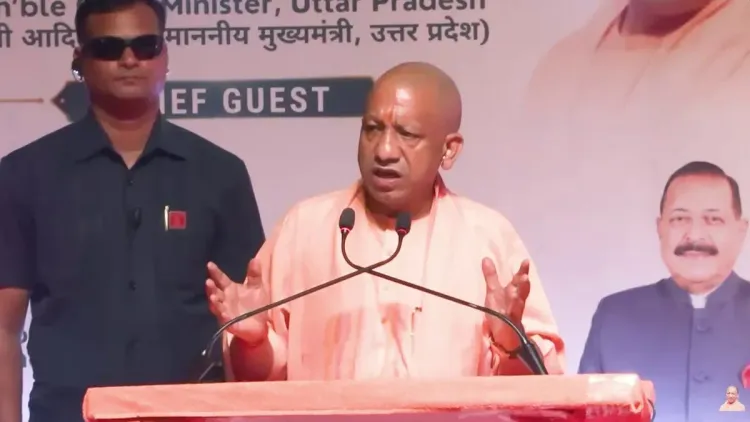
Uttar Pradesh Chief Minister Yogi Adityanath on 8 June 2026 publicly pledged full state government support for any India Meteorological Department programmes implemented in UP, reinforcing the state's role in national weather preparedness and disaster risk reduction frameworks.
Key Takeaways
CM Yogi Adityanath publicly committed the Uttar Pradesh government to extending all required cooperation to the India Meteorological Department for its programmes in the state.
The statement was made on 8 June 2026 via a post on X and was accompanied by a video.
Uttar Pradesh is India's most populous state and is highly vulnerable to monsoon extremes, heatwaves, and flooding.
The National Monsoon Mission , launched in 2012 , underpins the broader policy framework for state-IMD coordination on weather forecasting.
Key beneficiaries include UP farmers and district disaster management officials who rely on IMD alerts for timely action.
The pledge sets an expectation of formal follow-up through joint state-central announcements on specific meteorological programmes.
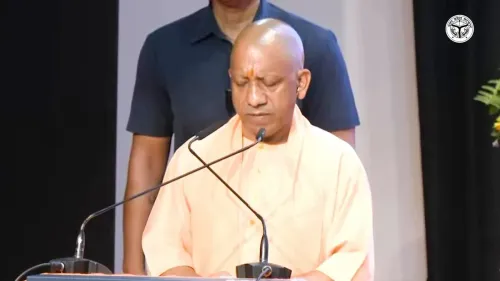
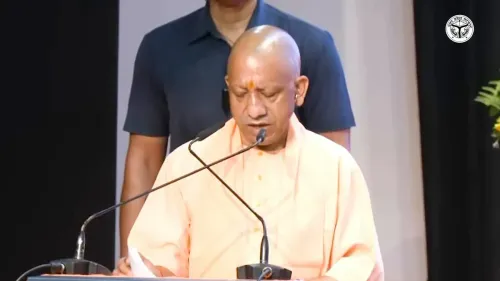
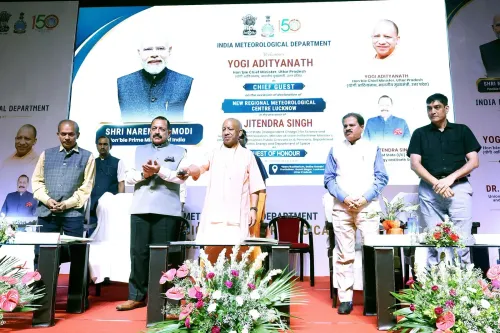
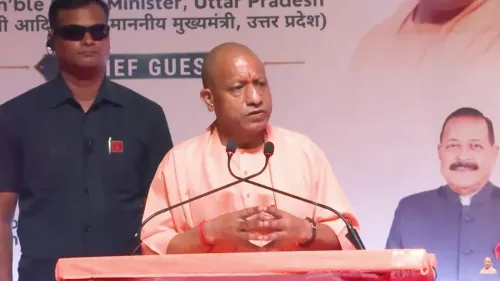
Uttar Pradesh Chief Minister Yogi Adityanath on Monday, 8 June 2026 declared that the state government stands fully prepared to extend all necessary cooperation to the India Meteorological Department (IMD) for any weather-related programmes it rolls out across Uttar Pradesh. The announcement, made via a post on X, signals a formal readiness by the state administration to act as an active partner in centrally driven meteorological initiatives.
In his post, CM Yogi stated — 'मौसम विभाग के द्वारा जो भी अन्य कार्यक्रम यूपी के अंदर लागू होंगे, उसके लिए जिस भी प्रकार के सहयोग की आवश्यकता पड़ेगी, राज्य सरकार पूरी मदद के लिए तैयार है' — meaning: 'Whatever other programmes the meteorological department implements inside UP, for whatever kind of cooperation is required, the state government is ready to provide full help.'
Context
Uttar Pradesh is India's most populous state and among the most climatically vulnerable, regularly facing monsoon flooding, prolonged dry spells, and severe heatwaves. Coordination between state administrations and the IMD — the central agency under the Ministry of Earth Sciences responsible for national weather forecasting — is a recurring feature of disaster preparedness in the state. CM Yogi's statement publicly reaffirms this cooperative stance at the institutional level.
Policy Backdrop
The National Monsoon Mission, launched in 2012 by the Ministry of Earth Sciences, was designed to strengthen regional weather prediction and enable state-level application of improved forecasting tools. Under the broader national disaster risk reduction framework, states like Uttar Pradesh are expected to provide ground-level logistical and administrative support to centrally developed meteorological services. IMD programmes typically require state machinery for last-mile dissemination of early warnings, particularly to farming communities and district disaster management authorities.
This cooperative model reflects the federal arrangement in India, where central scientific agencies generate forecasts and alerts while state governments operationalise responses — mobilising revenue officials, irrigation departments, and local bodies to act on weather intelligence in real time.
Stakeholders and Impact
UP's farming community, which constitutes a significant share of the state's rural population, stands to be among the primary beneficiaries of improved state-IMD coordination. Timely monsoon forecasts and extreme weather alerts directly inform sowing decisions, crop insurance claims, and emergency evacuations in flood-prone districts such as Bahraich, Lakhimpur Kheri, and Ballia. District disaster management officials also depend on IMD data to pre-position relief resources before extreme weather events.
The statement also carries administrative significance: a public commitment from the Chief Minister's office signals to district collectors and departmental heads that cooperation with IMD field teams should be treated as a priority, not a routine obligation.
What's Next
Observers will watch for any formal joint announcements between the Uttar Pradesh government and IMD on specific new programmes — whether related to monsoon preparedness, agro-meteorological advisories, or urban flood early warning systems — in the weeks ahead. The Chief Minister's public pledge creates an expectation of follow-through, and any concrete state-level mechanisms put in place will be the real test of the cooperation he has offered.
Point of View
The Yogi administration signals administrative readiness to its own bureaucracy as much as to New Delhi. The statement fits a broader pattern of the UP government aligning itself visibly with central scientific and welfare infrastructure to reinforce its development credentials. Whether the pledge translates into specific institutional mechanisms will determine its substantive impact beyond the political signal.
NationPress
26 Oct 2026
Frequently Asked Questions
What did CM Yogi Adityanath say about the IMD?
CM Yogi Adityanath stated on 8 June 2026 that the Uttar Pradesh government is fully ready to provide whatever cooperation is needed for any programmes the India Meteorological Department implements in the state.
Why is Uttar Pradesh coordination with IMD important?
Uttar Pradesh is India's most populous state and is highly exposed to monsoon flooding, heatwaves, and dry spells, making accurate weather forecasting and early warning systems critical for farmers and disaster management authorities.
What is the National Monsoon Mission?
The National Monsoon Mission was launched in 2012 by the Ministry of Earth Sciences to improve regional weather prediction and enable state-level use of advanced meteorological forecasting tools.
Who benefits from UP-IMD cooperation?
The primary beneficiaries are UP's farming communities, who depend on timely monsoon and crop advisories, and district disaster management officials who use IMD alerts to pre-position relief resources before extreme weather events.
What should we watch for after CM Yogi's statement?
Observers will look for formal joint announcements between the Uttar Pradesh government and IMD on specific new programmes — such as flood early warning systems or agro-meteorological advisories — in the coming weeks and months.