CM Yogi hails Regional Met Centre launch for UP
Synopsis
Chief Minister Yogi Adityanath has welcomed the inauguration of a Regional Meteorological Centre for Uttar Pradesh, calling it a major benefit for the state. The facility, under the India Meteorological Department, aims to deliver localised weather forecasts to support UP's farmers and disaster management authorities.
Key Takeaways
CM Yogi Adityanath publicly welcomed the commencement of a Regional Meteorological Centre for Uttar Pradesh on June 8, 2026 .
The centre operates under the India Meteorological Department , part of the Ministry of Earth Sciences .
Uttar Pradesh , India's most populous state, is highly vulnerable to monsoon-related floods, droughts and heatwaves.
The facility is expected to provide region-specific, district-level weather forecasts benefiting farmers and disaster management officials .
The centre fits within a national push to expand IMD's Doppler radar network and regional infrastructure since the early 2010s.
Integration with the UP State Disaster Management Authority and district-level advisory rollout are the immediate next steps to watch.
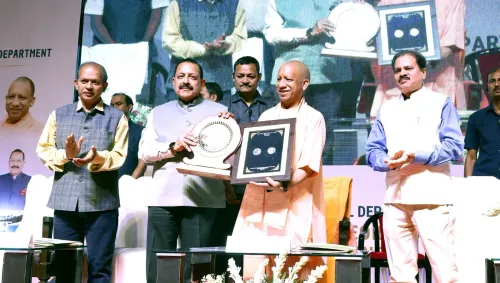
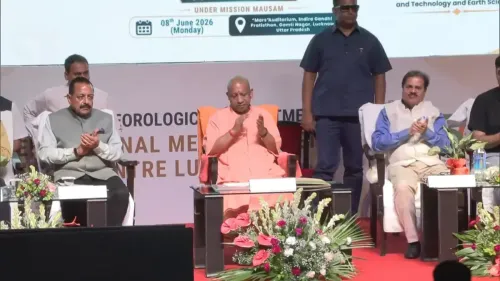
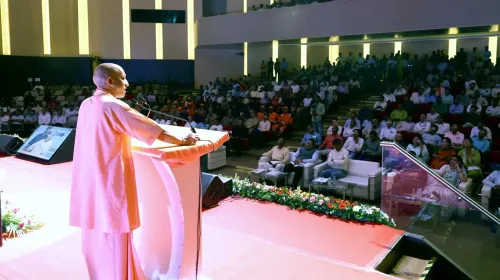
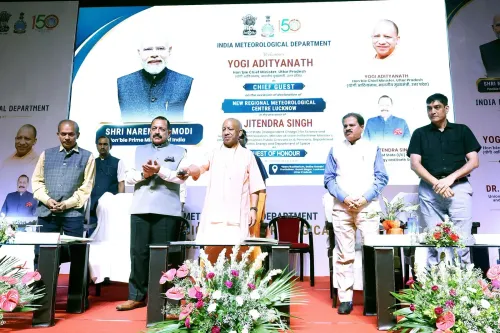
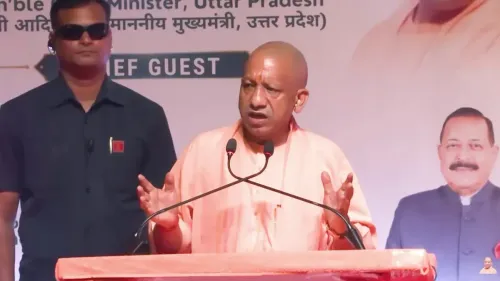
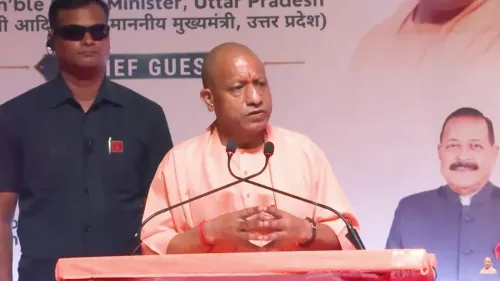
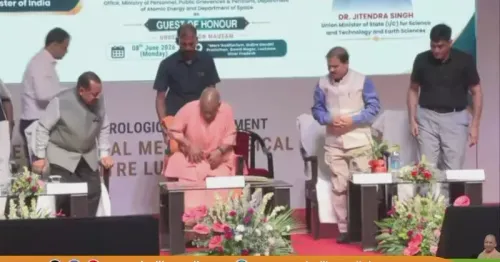
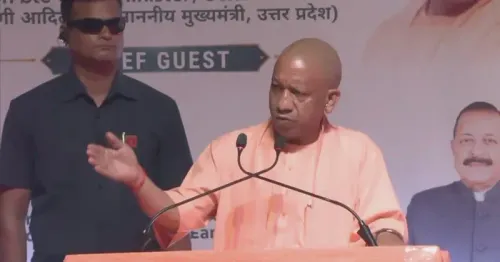
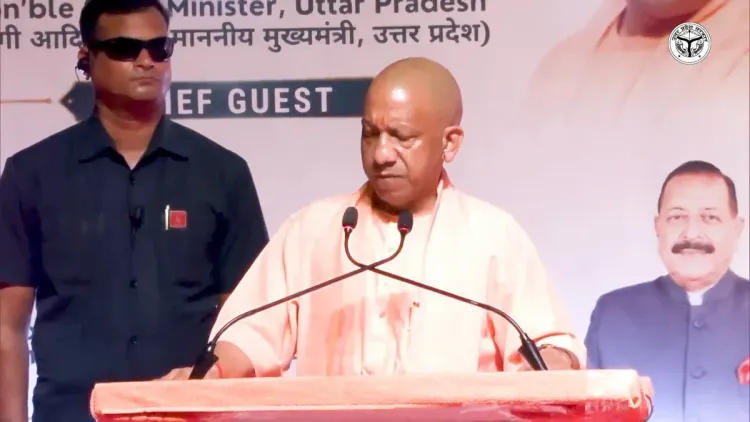
The Chief Minister's Office of Uttar Pradesh on Monday, June 8, 2026, shared a statement from Chief Minister Yogi Adityanath welcoming the inauguration of a Regional Meteorological Centre, saying the facility will bring significant benefits to a large state like Uttar Pradesh.
Context
In his statement, CM Yogi Adityanath said — 'Regional Meteorological Centre प्रारंभ होने से उत्तर प्रदेश जैसे बड़े राज्य को काफी लाभ मिलेगा' — ('The commencement of the Regional Meteorological Centre will greatly benefit a large state like Uttar Pradesh'). The remark underscores the state government's emphasis on modern weather infrastructure as a tool for governance, agriculture and disaster preparedness.
Uttar Pradesh is India's most populous state, with an economy heavily tied to monsoon-fed agriculture. The state has repeatedly faced severe losses from floods, droughts and heatwaves, making localised, district-level weather forecasting a persistent administrative priority.
Policy Backdrop
The Regional Meteorological Centre operates under the India Meteorological Department (IMD), the national weather agency functioning under the Ministry of Earth Sciences. IMD has been expanding its network of regional centres and Doppler radar installations across India since the early 2010s to sharpen district-level forecast accuracy.
This expansion is part of a broader national push to modernise meteorological infrastructure in support of agriculture, water resource management and disaster risk reduction. Such centres are embedded within successive five-year planning frameworks and the National Disaster Management architecture, allowing state agencies to receive tailored, timely warnings rather than relying solely on national-level bulletins.
Stakeholders and Impact
Farmers across Uttar Pradesh's vast agricultural belt stand to gain the most directly — region-specific forecasts can inform sowing decisions, irrigation scheduling and crop-protection measures during volatile monsoon periods. The state is home to tens of millions of cultivators, and even marginal improvements in forecast accuracy translate into significant economic outcomes at the household level.
Disaster management officials, including those within the UP State Disaster Management Authority, are also key beneficiaries. A dedicated regional centre enables faster, more granular early-warning dissemination ahead of floods and extreme heat events — two recurring hazards that have historically strained the state's emergency response capacity.
What's Next
Attention will now turn to the phased rollout of district-level weather advisories and the integration of the new centre's data streams with existing state disaster management systems. Budget allocations for additional observational equipment — including surface stations and radar upgrades — will be a key indicator of how deeply the facility is embedded into UP's administrative infrastructure.
As climate variability intensifies across the Indo-Gangetic plain, a functional regional meteorological node in Uttar Pradesh could set a template for other large, agrarian states seeking to localise weather intelligence and reduce their dependence on broad national forecasts.
Point of View
Localised forecasting is as much a political asset as a scientific one. The move aligns with a broader pattern of state governments seeking to demonstrate proactive disaster preparedness in the run-up to electoral cycles. How quickly district-level advisories become operational will determine whether this inauguration translates into tangible relief for farmers and local administrators.
NationPress
25 Oct 2026
Frequently Asked Questions
What is the Regional Meteorological Centre inaugurated in Uttar Pradesh?
It is a facility under the India Meteorological Department designed to provide region-specific weather forecasts and early warnings tailored to Uttar Pradesh , improving on the broader national-level bulletins previously available to the state.
How will the Regional Meteorological Centre benefit UP farmers?
The centre will deliver localised, district-level weather advisories that farmers can use for sowing decisions, irrigation planning and crop protection, particularly during unpredictable monsoon periods.
What did CM Yogi Adityanath say about the new meteorological centre?
CM Yogi Adityanath said the commencement of the Regional Meteorological Centre will greatly benefit a large state like Uttar Pradesh , highlighting its importance for the state's administration and agriculture.
Which government body oversees the Regional Meteorological Centre in UP?
The centre operates under the India Meteorological Department (IMD) , which functions under the Ministry of Earth Sciences , Government of India.
Why does Uttar Pradesh need its own Regional Meteorological Centre?
Uttar Pradesh is India's most populous state and is highly vulnerable to floods, droughts and heatwaves. A dedicated regional centre enables faster, more granular forecasts that support both agricultural planning and disaster risk reduction.