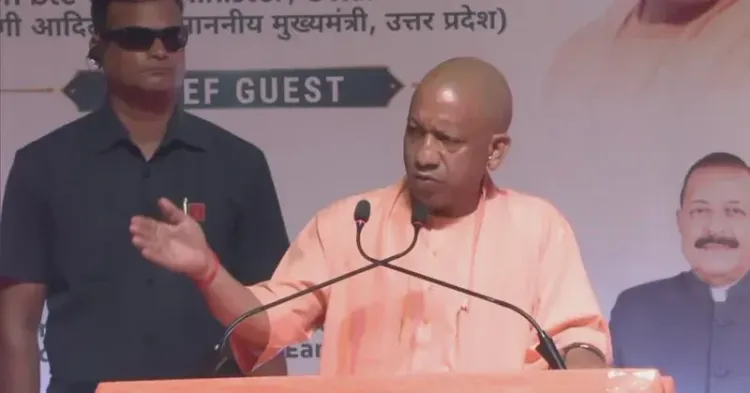
CM Yogi attends Lucknow Met Centre upgrade event
Synopsis
Chief Minister Yogi Adityanath attended a ceremony on 8 June 2026 for the conversion of the Lucknow Meteorological Centre into a full Regional Meteorological Centre under IMD, a move that promises improved weather forecasting for UP's farmers and disaster managers.
Key Takeaways
Chief Minister Yogi Adityanath participated in the event on 8 June 2026 in Lucknow .
The Lucknow Meteorological Centre is being elevated to a Regional Meteorological Centre under the India Meteorological Department .
The upgrade is expected to improve localised weather forecasting for Uttar Pradesh's large agrarian population.
Regional centres typically deploy additional Doppler radars and automatic weather stations with dedicated forecasting staff.
Farmers and state disaster management authorities are the primary beneficiaries of the enhanced facility.
The move aligns with the Ministry of Earth Sciences drive to modernise IMD's national network of regional centres.
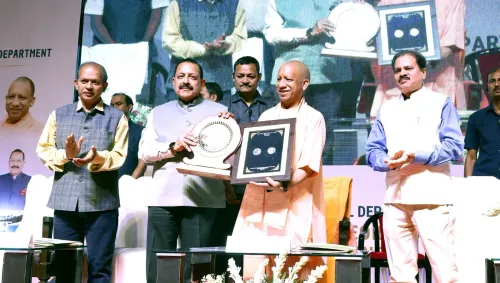
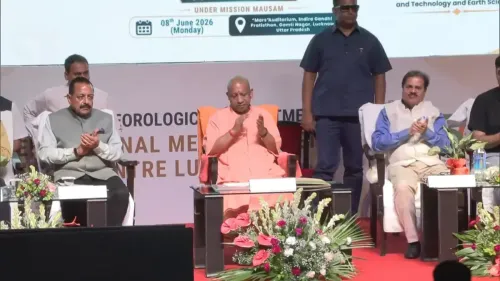
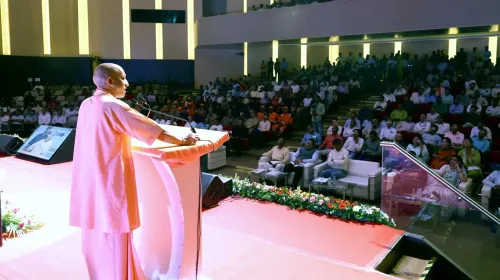
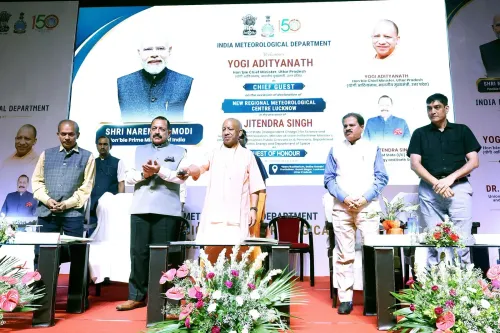
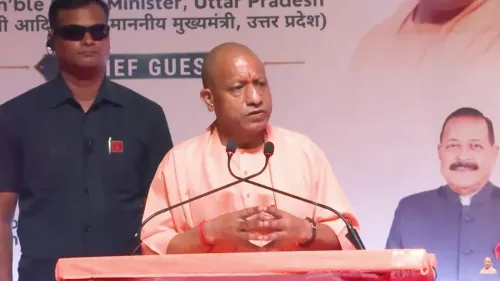
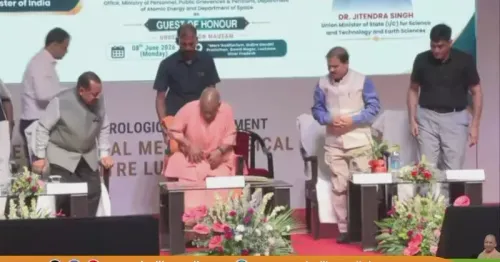
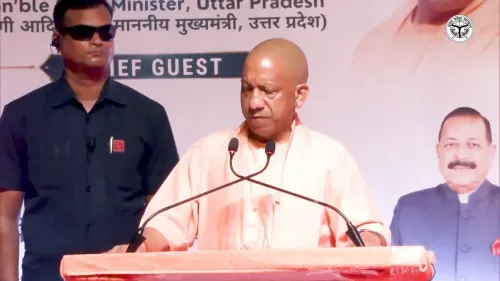
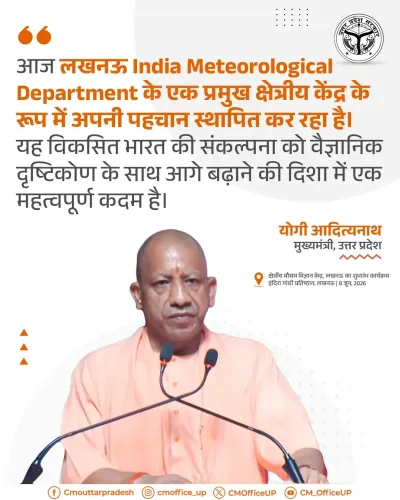
The Chief Minister's Office of Uttar Pradesh announced on Monday, 8 June 2026 that Chief Minister Yogi Adityanath attended a ceremony in Lucknow marking the conversion of the Lucknow Meteorological Centre into a full Regional Meteorological Centre under the India Meteorological Department (IMD).
Context
The CMO's post, shared live on 8 June 2026, showed CM Yogi participating in the event — 'लखनऊ मौसम विज्ञान केन्द्र को क्षेत्रीय मौसम विज्ञान केन्द्र में परिवर्तित करने हेतु आयोजित कार्यक्रम' ['a programme organised for the conversion of the Lucknow Meteorological Centre into a Regional Meteorological Centre']. The upgrade represents an institutional elevation of the existing IMD facility in the state capital, giving it a broader operational mandate across the region.
Uttar Pradesh is India's most populous state and one of its largest agrarian economies, making accurate, localised weather forecasting critical for millions of farmers and disaster management authorities.
Policy Backdrop
IMD has steadily expanded its network of Regional Meteorological Centres since the 2000s, accelerating upgrades following major monsoon failures and cyclone events that exposed gaps in district-level forecasting capacity. The Ministry of Earth Sciences has championed this modernisation drive, which typically involves the deployment of additional Doppler radar systems, automatic weather stations, and dedicated forecasting personnel.
Uttar Pradesh has been identified as a priority state for such capacity upgrades given its high exposure to monsoon variability, flooding along the Ganga-Yamuna river system, and recurring extreme heat events that demand timely, granular advisories.
Stakeholders and Impact
The primary beneficiaries of a Regional Meteorological Centre in Lucknow are the state's farming communities — UP accounts for a significant share of national wheat and sugarcane output — who depend on block-level weather advisories for sowing, irrigation and harvest decisions. State and district disaster management authorities also stand to gain from improved early-warning capabilities ahead of floods and severe storms.
An upgraded centre typically has the authority to issue its own forecasts, warnings and agro-meteorological bulletins for a defined geographic zone, reducing dependence on distant national centres and improving response times for local administrations.
What's Next
Attention will now turn to the operational rollout: when the centre formally begins issuing regional forecasts, whether block-level advisories become available to farmers through mobile platforms, and whether additional central funding for IMD infrastructure in Uttar Pradesh is reflected in the next Union Budget. The upgrade also signals a broader push by the Yogi administration to align state infrastructure with national climate-resilience goals ahead of the critical kharif sowing season.
Point of View
The optics of championing weather infrastructure in an agrarian state carry clear electoral and governance value, projecting a development-oriented image ahead of future election cycles. The move also reflects a broader pattern in which state governments actively court central agency upgrades as markers of developmental credibility. The real test, however, will be whether the upgraded centre translates institutional status into measurable improvements in forecast accuracy and farmer advisory reach.
NationPress
26 Oct 2026
Frequently Asked Questions
What is a Regional Meteorological Centre in India?
A Regional Meteorological Centre (RMC) is an IMD facility with the authority to issue independent weather forecasts, warnings and agro-meteorological advisories for a defined geographic region, supported by dedicated Doppler radars, automatic weather stations and specialist staff.
Why is the Lucknow Met Centre being upgraded to a Regional Centre?
The upgrade aims to improve localised weather forecasting for Uttar Pradesh, a large agrarian state highly vulnerable to monsoon variability, flooding and extreme heat, giving farmers and disaster managers faster, more granular weather information.
What is CM Yogi Adityanath's role in the Lucknow Met Centre upgrade?
Chief Minister Yogi Adityanath attended the official ceremony on 8 June 2026 marking the conversion, signalling the state government's support for the institutional upgrade.
How does an IMD Regional Meteorological Centre help farmers?
An RMC can issue block-level agro-meteorological advisories covering sowing windows, irrigation scheduling and pest alerts, directly benefiting farmers who depend on hyper-local forecasts for crop management decisions.
Which ministry oversees the upgrade of IMD centres in India?
The Ministry of Earth Sciences oversees IMD and has driven the incremental expansion of Regional Meteorological Centres across India since the 2000s to improve district and block-level forecast coverage.