CM Yogi Orders Immediate Financial Aid for Disaster-Hit Families in UP
Synopsis
The Uttar Pradesh government, under CM Yogi Adityanath, has directed immediate financial assistance to all disaster-affected families, with compensation structured by calamity severity category and special provisions for families that have suffered loss of life.
Key Takeaways
CM Yogi Adityanath has directed that every disaster-affected family in Uttar Pradesh receive all possible assistance.
In cases of loss of life , immediate financial aid must be disbursed in line with the applicable disaster severity category.
Relief is structured under India's National Disaster Management Act, 2005 and SDRF norms , which pre-define compensation slabs by disaster type.
The directive emphasises 'tatkaal' (immediate) disbursement, signalling a push to reduce delays between announcement and delivery.
The specific disaster event triggering the order has not been officially named in the announcement.
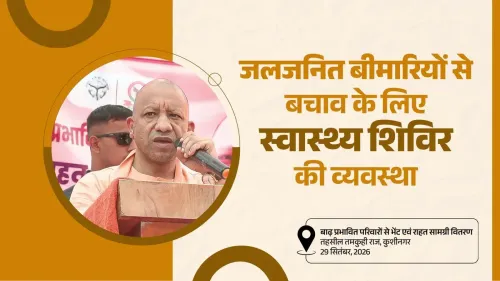
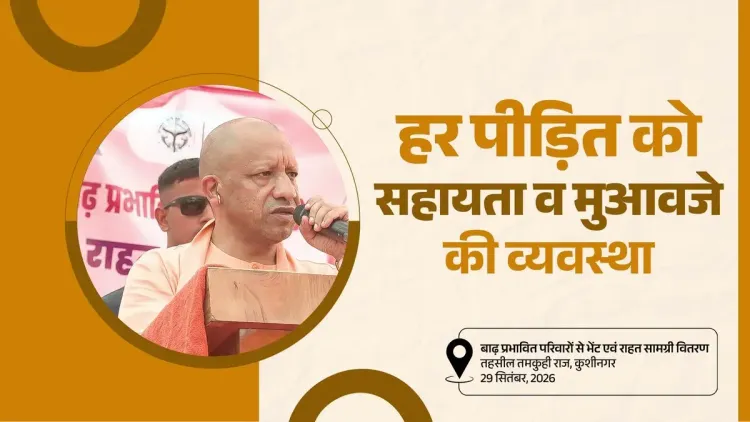
When disaster strikes a family in Uttar Pradesh, the state government has now made one thing clear: financial relief will not wait. Chief Minister Yogi Adityanath's office announced on Tuesday, 29 September 2026 that every affected family will receive immediate economic assistance categorised by the severity of the calamity — with special directives issued for cases involving loss of life.
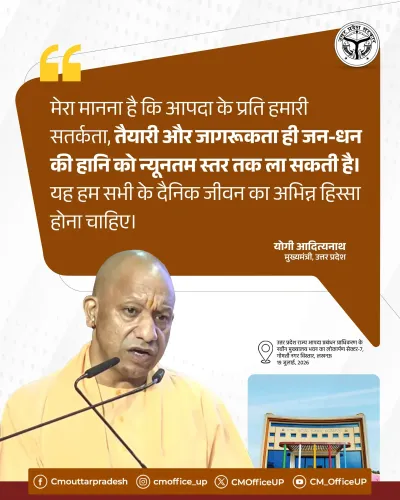
The official statement from the Chief Minister's Office, Uttar Pradesh reads: 'प्रत्येक पीड़ित परिवार को हरसंभव सहायता उपलब्ध कराई जाएगी' — 'every affected family will be provided all possible assistance.' In cases of loss of life, orders have been issued to disburse financial aid 'immediately' in accordance with the applicable disaster category.
How UP's Disaster Relief Framework Works
The directive draws on a well-established legal architecture. India's National Disaster Management Act, 2005 mandates that state governments maintain and deploy funds — primarily through the State Disaster Response Fund (SDRF) — to provide ex-gratia payments to families based on the category and scale of a calamity. Uttar Pradesh, as one of India's most populous and flood-prone states, periodically activates these norms during natural disasters including floods, storms, and other emergencies.
Successive UP administrations have aligned their relief payouts with central guidelines, but the speed and reach of disbursement have historically varied. The Yogi government's explicit instruction to provide aid 'tatkaal' — immediately — signals an intent to close the gap between announcement and delivery.
What This Means for Affected Families
The directive places affected families and disaster victims at the centre of the response architecture. By tying compensation to pre-defined disaster categories, the government removes ambiguity from the relief process — families do not have to navigate a discretionary system; the category determines the payout. This approach mirrors best practices under SDRF norms, where compensation slabs for death, injury, and property loss are notified in advance.
The specific disaster event that triggered this announcement has not been officially named in the post, but the language — urgent, directive, and targeted at 'each affected family' — suggests an active relief operation already underway across one or more districts of the state.
The real test, as always, will be whether the money reaches grieving households before the bureaucratic paperwork does. That gap is where relief either earns its name — or loses it.
Point of View
Removing discretion and reducing scope for delays or inequity in payouts. However, the credibility of such directives ultimately rests on last-mile delivery: whether district administrations process claims within hours rather than weeks. If the government follows up with district-level compliance data, this becomes a genuine accountability mechanism; if not, it risks being read as routine crisis communication.
NationPress
29 Sept 2026
Frequently Asked Questions
What financial help will UP disaster victims get under CM Yogi's order?
The UP government has directed that every disaster-affected family receive immediate financial assistance, with the amount determined by the official disaster severity category as defined under SDRF norms.
What is the SDRF and how does it help disaster victims in Uttar Pradesh?
The State Disaster Response Fund (SDRF) is a fund mandated by India's National Disaster Management Act, 2005. It allows state governments to provide pre-defined ex-gratia payments to families affected by calamities, covering loss of life, injury, and property damage.
Which disaster triggered CM Yogi's relief announcement on 29 September 2026?
The Chief Minister's Office has not named a specific disaster event in the announcement. The directive appears to be an active operational order covering ongoing relief operations in one or more affected areas.
How quickly will UP disaster victims receive financial aid?
CM Yogi Adityanath's directive specifically uses the word 'tatkaal,' meaning immediately, instructing district administrations to disburse aid without delay, especially in cases involving loss of life.
Who qualifies for disaster relief compensation in Uttar Pradesh?
Families affected by officially recognised disaster events qualify for compensation. The payout amount depends on the disaster category — loss of life, injury, or property damage — as notified under central and state disaster management guidelines.