Is the US optimistic as Nepal prepares for elections following Gen Z protests?
Synopsis
As Nepal gears up for elections amid significant political upheaval, the US expresses optimism about the future. With youth-led movements reshaping the democratic landscape, this article explores the implications for US-Nepal relations and the strategic dynamics at play in South Asia.
Key Takeaways
The US expresses optimism about Nepal's democratic transition.
Recent protests have led to significant political changes.
The upcoming elections are crucial for Nepal's governance.
Youth movements are reshaping the political landscape.
Strategic relations between Nepal, India, and China are being redefined.
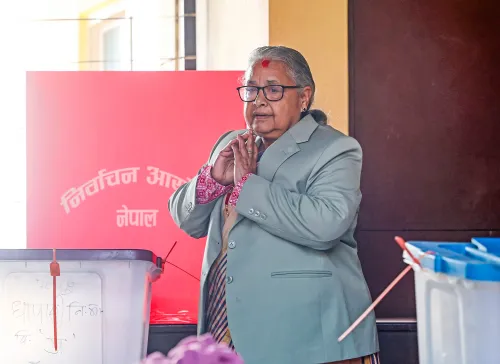
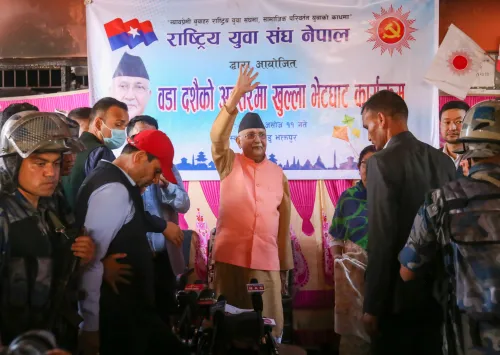
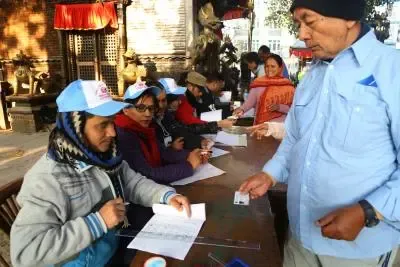
Washington, Feb 12 (NationPress) The Trump Administration has conveyed a sense of optimism regarding the upcoming elections in Nepal. A senior official informed lawmakers that the recent political turmoil in the country is part of a larger trend of democratic transitions occurring throughout South Asia.
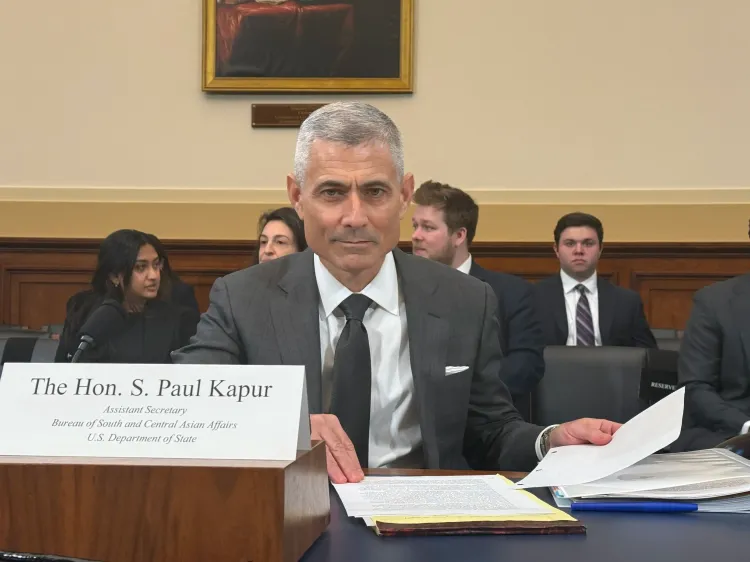
During a hearing held by the House subcommittee on South and Central Asia on Wednesday (local time), Assistant Secretary of State for South and Central Asian Affairs Paul Kapur stated that Washington is ready to collaborate with the next government in Nepal after several months of unrest.
“Our approach to Nepal remains consistent,” Kapur remarked, highlighting democratic advancements in the region.
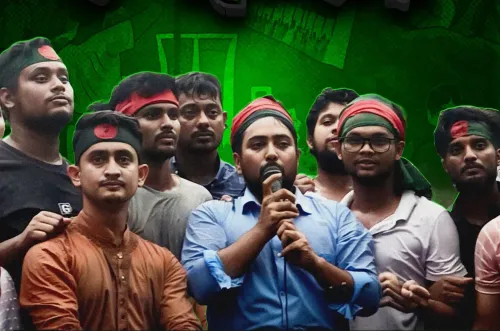
“These instances illustrate youth movements that have successfully challenged older administrations, now paving the way for increased democratic involvement in their nations,” he added.
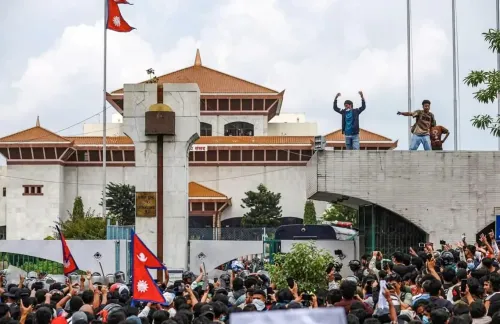
In September, substantial anti-corruption protests led by Gen Z in Nepal prompted the resignation of the prime minister, setting the ground for new elections scheduled for next month, as noted by lawmakers.
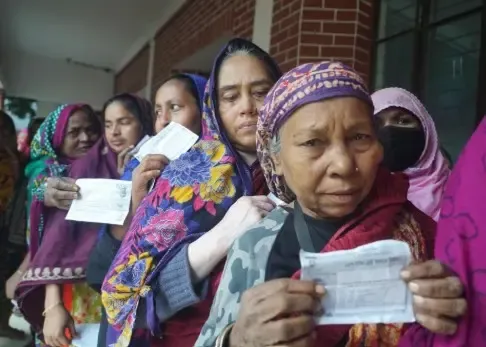
Kapur expressed confidence in a smooth electoral process.
“In Nepal, we expect a secure and peaceful electoral environment, and we stand ready to work with whichever candidate prevails,” he mentioned.
Subcommittee Chair Bill Huizenga characterized the changes in Nepal and neighboring Bangladesh as crucial turning points.
“Both situations provide new avenues for engagement in South Asia, shaping US relations with these emerging governments,” he stated.
Democratic Ranking Member Sydney Kamlager-Dove emphasized the broader transitions as significant opportunities.
“These major political shifts offer a rare chance for the US to strategically utilize our democracy support to meet the growing regional demand for accountable governance,” she asserted.
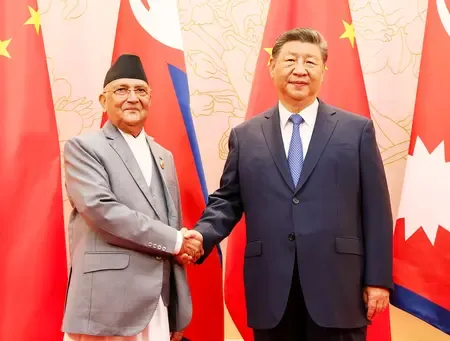
The discussion demonstrated a bipartisan acknowledgment that Nepal, situated between India and China, holds a critical geopolitical position.
Kapur previously underscored that preventing the dominance of any single power in South Asia remains a primary objective for the US.
“A hostile power exerting control over South Asia could wield coercive influence over the global economy,” he stated.
The testimony indicated that Washington perceives Nepal’s political transformation not only as a domestic democratic evolution but also as a part of the broader strategic competition influencing South Asia.
Nepal has consistently balanced its relations between India and China while undergoing significant internal political changes since the monarchy's dissolution.
Point of View
It is essential to recognize that the political changes in Nepal reflect a growing demand for democratic governance and accountability. As Nepal navigates its complex relationships with India and China, the international community, particularly the US, must approach these developments with both optimism and strategic foresight. Supporting Nepal's democratic transition is crucial for regional stability and fostering cooperation.
NationPress
27 Sept 2026
Frequently Asked Questions
What triggered the recent protests in Nepal?
The protests were largely driven by anti-corruption sentiments among the youth, leading to significant political changes in the country.
What is the significance of the upcoming elections in Nepal?
The elections represent a crucial opportunity for Nepal to solidify its democratic processes and address the demands of its citizens for accountable governance.
How does the US view its relationship with Nepal?
The US sees Nepal as strategically important in South Asia and is prepared to engage with its next government to promote democratic values.
What role do youth movements play in Nepal's politics?
Youth movements have been pivotal in challenging established political norms and pushing for reforms that enhance democratic participation.
How might Nepal's political changes affect regional dynamics?
Nepal's transition could influence its relationships with neighboring countries, particularly India and China, and impact the broader balance of power in South Asia.