Nepal's New Leadership Challenges China's Strategic Goals: Analysis
Synopsis
A recent report reveals that the emergence of a new political leadership in Nepal represents a significant challenge to China's expansionist goals in South Asia, highlighting the potential for stronger democratic institutions to empower the Nepali people.
Key Takeaways
New Leadership: The Rastriya Swatantra Party led by Balen Shah has gained a majority.
Challenge to China: This shift poses a significant setback to China's strategic ambitions in Nepal.
Political Dynamics: The decline of communist parties may hinder China's influence.
Bilateral Relations: Shah's ties to India suggest a potential strengthening of Nepal-India relations.
Democratic Evolution: Stronger democratic institutions may empower the Nepali populace.
Taipei, April 4 (NationPress) The emergence of new political leadership in Kathmandu, alongside increasing challenges for China’s engagement with Nepal, offers optimism that robust democratic institutions will empower the Nepali populace to recognize Beijing's expansionist goals in Nepal and the broader South Asian area, as highlighted in a recent report.
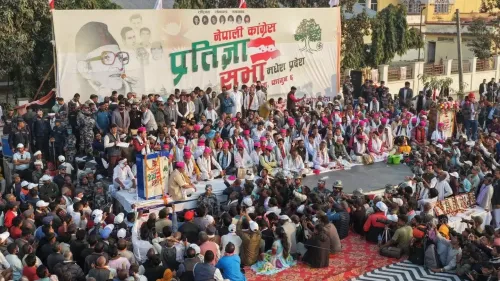
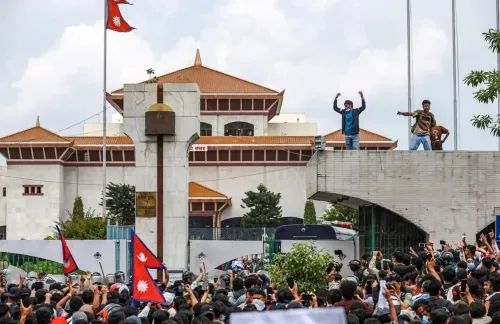
“Nepal’s parliamentary election this year — the first post the Gen Z-led violent protests that ousted the previous government in September — signified a fundamental transformation in the country's political landscape. The election results emphatically dismissed traditional political parties, with the Rastriya Swatantra Party (RSP), under Balen Shah's leadership, capturing a majority in the 275-seat Nepalese House of Representatives. This significant shift in Nepal’s political arena poses a challenge to China's strategic ambitions in South Asia,” detailed the report from ‘Taipei Times’.
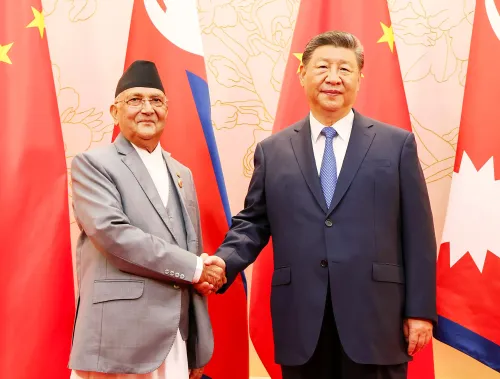
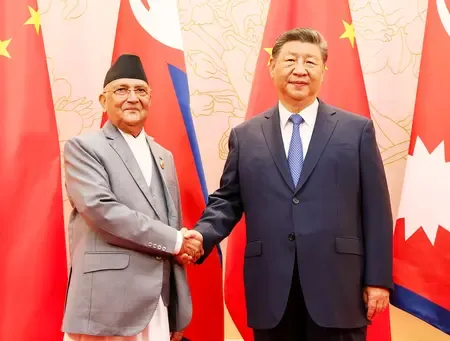
“Historically, China has endeavored to convert Nepal into a strategic asset within South Asia. A notable change in China’s approach to Nepal was evident in 2017, when Beijing facilitated the merger of two Nepalese communist parties — the Communist Party of Nepal (Unified Marxist-Leninist), led by K P Sharma Oli, and the Communist Party of Nepal (Maoist), led by Pushpa Dahal. This alliance paved the path for Oli's ascension as Nepalese Prime Minister,” it further explained.
The report observes that the establishment of a new government headed by Prime Minister Balen Shah in Kathmandu is seen as a remarkable setback for China’s policy in Nepal.
Furthermore, the waning influence of communist parties in Nepal is expected to hinder China's covert attempts to entrench the principles of a communist regime in South Asia and beyond.
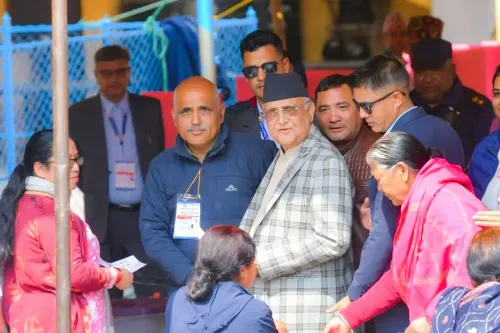
“Therefore, the defeat of Oli and other prominent communist leaders reflects not only public discontent but also a growing unease regarding China’s influence in Nepal. This sentiment is echoed by various segments of Nepal’s political spectrum, civil society, and media who have voiced concerns about China’s meddling in internal matters,” the report noted.
It emphasized that China’s initiatives to forge close ties between its military-industrial complex and Nepal’s defense needs, aiming to make Kathmandu reliant on it for military provisions, are likely to hit a roadblock.
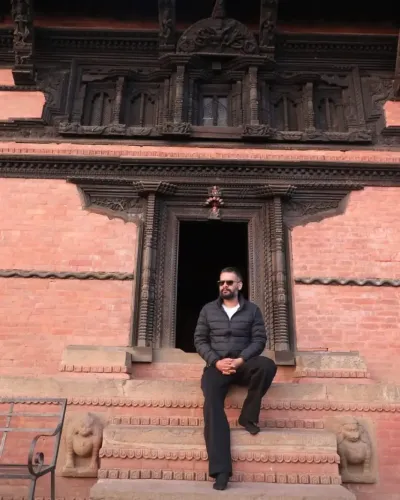
Highlighting the political transition in Kathmandu, the report added, “Shah hails from the Madhesi region of Nepal, which shares deep cultural ties with India’s Bihar state, and he has spent significant time studying and living in India. This suggests a promising outlook for enhancing bilateral relations with India during his administration, which could further jeopardize China's interests.”
Point of View
It is evident that Nepal's shifting political landscape not only reflects the aspirations of its people but also poses significant challenges to external influences, particularly from China. Strengthening democratic institutions is crucial for Nepal's future.
NationPress
6 Oct 2026
Frequently Asked Questions
What recent political changes have occurred in Nepal?
Nepal has witnessed a significant political shift with the rise of the Rastriya Swatantra Party (RSP) led by Balen Shah, which has taken a majority in the House of Representatives.
How does this shift impact China's influence in Nepal?
The new leadership is expected to challenge China's strategic ambitions and reduce the influence of communist parties traditionally aligned with Beijing.
What are the implications for Nepal-India relations?
Balen Shah's Madhesi background and ties to India suggest an opportunity for stronger bilateral relations, which may counterbalance China's interests in the region.
What was China's strategy in Nepal prior to these changes?
China aimed to turn Nepal into a strategic asset by aligning with local communist parties, influencing political dynamics in its favor.
Why is the current election significant?
This election is significant as it marks a departure from traditional political parties, indicating a potential shift in public sentiment and governance in Nepal.