Nepal Elections: Balen Shah Outpaces K.P. Oli in Initial Results

Synopsis
In a stunning election twist, Balendra Shah of the Rastriya Swatantra Party outshines former PM K.P. Sharma Oli in Jhapa-5, signaling a potential shift in Nepal's political landscape. Can the RSP challenge the established parties?
Key Takeaways
Balendra Shah leads against K.P.
Sharma Oli in early voting results.
The Rastriya Swatantra Party shows strong performance nationwide.
Current trends indicate the possible decline of traditional political parties.
The elections follow significant Gen Z protests demanding political reform.
Vote counting is ongoing under the FPTP system.
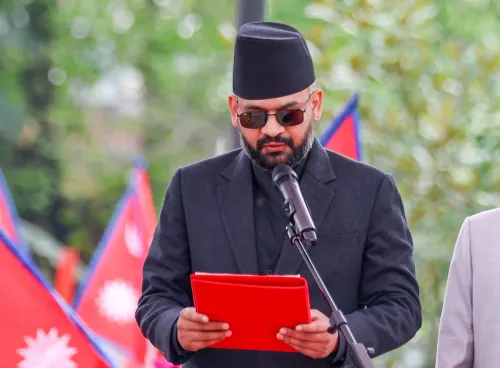
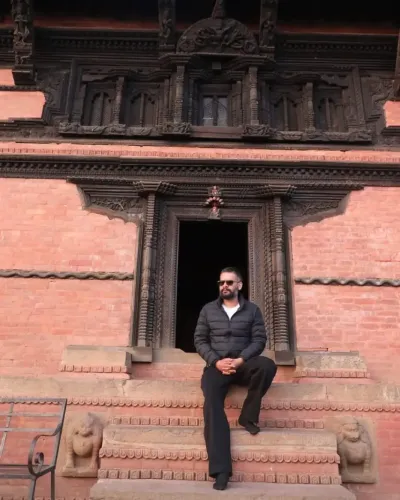
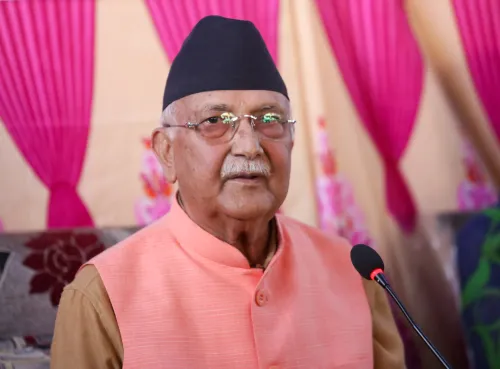
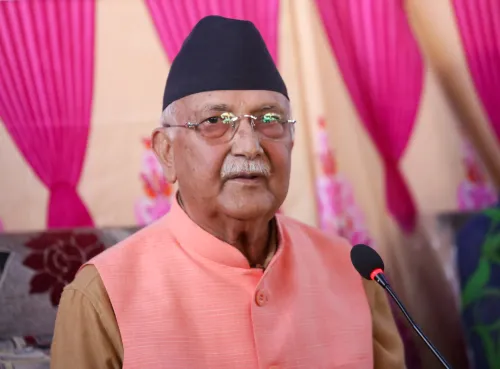
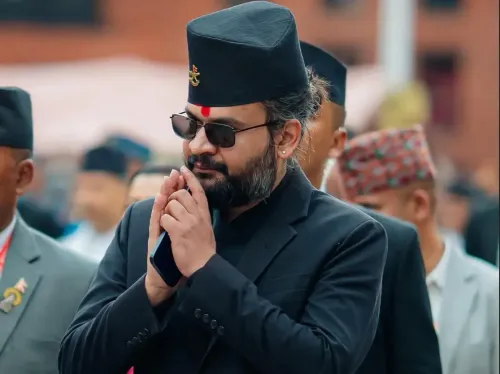
Kathmandu, March 6 (NationPress) In an exciting turn of events, Balendra Shah, the Prime Ministerial candidate representing the Rastriya Swatantra Party, has taken the lead over former Prime Minister K.P. Sharma Oli in Jhapa-5, eastern Nepal. The RSP is demonstrating a significant early advantage in the parliamentary elections across the nation.
Shah, who previously served as the mayor of Kathmandu Metropolitan City, is engaged in a fierce contest against Oli in what has traditionally been the latter's political bastion, marking a noteworthy battle between two prominent Prime Ministerial hopefuls.
As per the preliminary vote count available on the online portal Ekantipur, Shah has acquired 1,478 votes, compared to Oli's 385 votes.
In addition to Shah's lead, the RSP is showing a commanding performance in the early vote tallies, signaling a potential shift in the political landscape as this relatively new party seeks to disrupt the longstanding dominance of traditional political entities.
The latest updates indicate that the RSP is currently ahead in 39 electoral constituencies, with the Nepali Congress leading in just three constituencies. The Nepali Communist Party (NCP) is ahead in two constituencies, while the Communist Party of Nepal (Unified Marxist-Leninist), under the leadership of former Prime Minister Oli, is trailing with no leads in any constituency.
The vote counting process is ongoing under the First-Past-the-Post (FPTP) system, which will see the election of 165 members to the House of Representatives, the Lower House of Parliament, in addition to 110 members elected through the proportional representation system to form a total of 275 members in the Lower House.
Early indications point towards a potential end to the longstanding dominance of three major political parties: the Nepali Congress, the CPN-UML, and the Nepal Communist Party, which emerged following the merger of the Communist Party of Nepal (Maoist Centre) and the Communist Party of Nepal (Unified Socialist), among others.
This election marks the first major polling event following the Gen Z protests in September of last year, which resulted in the downfall of the coalition government led by then-Prime Minister Oli. A rising sentiment among the Nepali populace believes that the country has been held back by traditional parties and their leadership, sparking significant protests from the younger generation.
With elections occurring six months post the Gen Z revolt, traditional political parties seem to be underperforming, while the relatively new political force, the RSP, led by former media figure Rabi Lamichhane, is making a formidable impression in these polls.
Point of View
There appears to be a significant transformation in Nepal's political dynamics, with a potential decline of established parties and a rise in new political movements. It will be crucial to monitor how these changes affect governance and representation in the coming days.
NationPress
27 Sept 2026
Frequently Asked Questions
Who is Balendra Shah?
Balendra Shah is the Prime Ministerial candidate from the Rastriya Swatantra Party and the former mayor of Kathmandu Metropolitan City.
What is the Rastriya Swatantra Party?
The Rastriya Swatantra Party is a relatively new political party in Nepal aiming to challenge the dominance of traditional political parties.
How is the voting system structured in Nepal?
Nepal employs a First-Past-the-Post (FPTP) system for electing members to the House of Representatives, along with a proportional representation system.
What triggered the recent protests in Nepal?
The Gen Z protests were sparked by a growing perception that traditional parties were hindering the country's progress, leading to a demand for political change.
What implications do these election results have?
The early election results suggest a potential end to the long-standing dominance of major political parties in Nepal, indicating a shift towards new political forces.