Former Prime Minister K.P. Sharma Oli Faces Gen Z’s Balendra Shah in Nepal’s Jhapa-5 Elections
Synopsis
As Nepal's elections approach, former Prime Minister K.P. Sharma Oli battles against Gen Z star Balendra Shah in Jhapa-5. With rising tensions and youth support, this election could redefine Nepal's political landscape.
Key Takeaways
Election Date: March 5.
Main Candidates: K.P.
Voter Demographics: About 160,000 total voters, with 20,000 from Gen Z.
Campaign Dynamics: Oli faces challenges from a rising youth movement.
Potential Impact: The outcome may reshape Nepal’s political landscape.
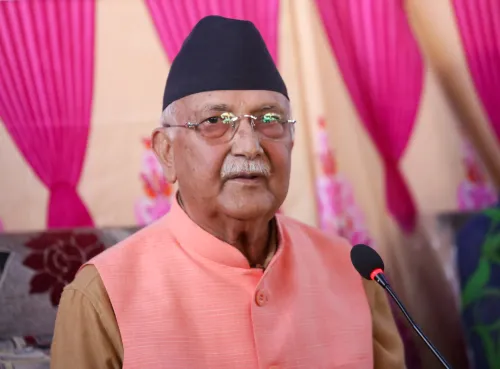
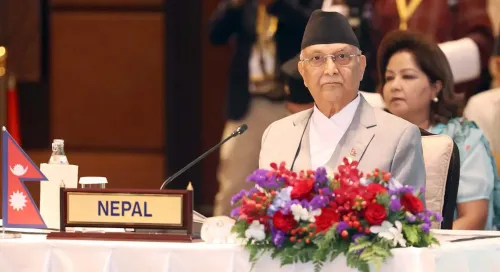
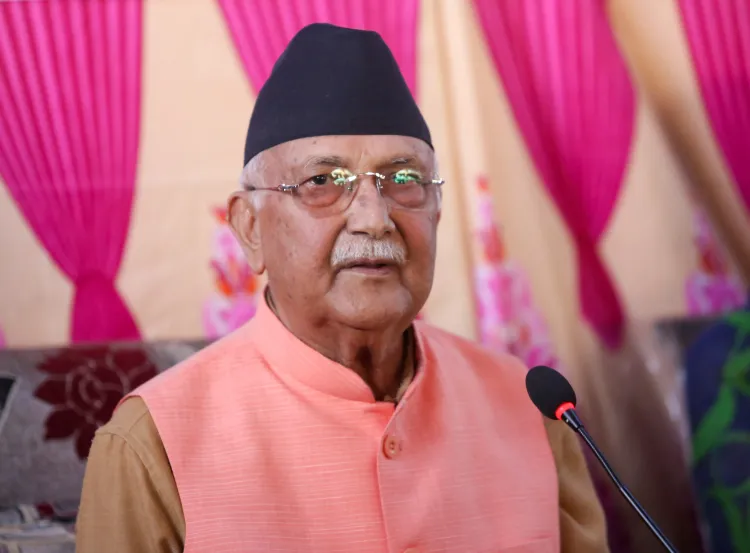
Jhapa (Nepal), March 2 (NationPress) The Jhapa-5 constituency in Nepal, situated near the Indian border, is alive with energy this Monday. While elections typically involve loudspeakers, corner meetings, and vibrant street marches, the noise level has subsided as the official campaign period draws to a close. On March 5, former Prime Minister K.P. Sharma Oli faces off against the influential Gen Z figure Balendra Shah.
In Damak, one of the oldest municipalities in Nepal's eastern Jhapa district, residents express excitement about their pivotal role in shaping the nation's future as national elections approach this Thursday.
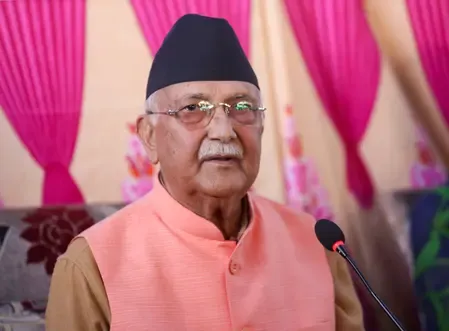
Historically, this constituency has elected K.P. Sharma Oli to Parliament multiple times. However, following widespread protests from the Gen Z demographic, he was compelled to resign last September.
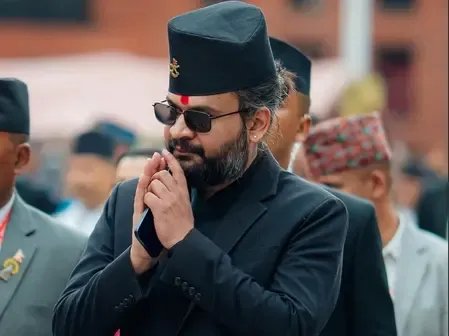
Oli is now challenged by his rival Balendra Shah, a renowned rapper who has championed the Gen Z movement, which largely targets corruption and nepotism within the government.
Some locals are rallying behind the engineer-turned-rapper, who earned recognition as the first independent candidate to become the Mayor of Kathmandu.
Shah stepped down from his position to contest against Oli in his stronghold of Jhapa-5.
“He represents our aspirations for the future,” exclaimed local resident Chhabilal as a convoy led by Balendra Shah passed by. “We need change,” he added.
Nonetheless, Oli’s supporters are not backing down easily, asserting that the constituency's historical voting patterns will ultimately favor their candidate.
“Oli is an experienced politician; don’t underestimate his chances,” remarked Sameer Pradhan, who suggested that “external forces” are attempting to incite unrest in the small Himalayan nation.
He accused “neighborhood countries” and “Western powers” of being behind the alleged disturbances.
Pradhan emphasized that voters will likely remain faithful to the 74-year-old former Prime Minister, asserting that the seat is a stronghold for the Communist party.
“Oli commands significant influence among the electorate and has consistently achieved decisive wins in prior elections, making him a formidable contender,” he stated.
However, reports indicate that unlike in the past, Oli has not campaigned extensively outside his constituency or its borders this time around.
This has led to speculation about a potential shift in voter sentiment, possibly favoring the younger candidate.
Meanwhile, Balendra Shah’s supporters are heavily relying on Gen Z voters, who idolize the 35-year-old star on social media. He was a popular choice for interim Prime Minister, but he declined, recommending Nepal’s first female justice, Sushila Karki.
Known as Balen, Shah represents the Rastriya Swatantra Party (RSP) and is being positioned as a potential future Prime Minister of Nepal.
Many of his campaign supporters are not affiliated with the RSP but identify as advocates for the youth icon, including Parbat Basnet, a 24-year-old rapper and social media activist.
“Jhapa-5 has about 160,000 registered voters, with approximately 20,000 being Gen Z,” he explained.
“We anticipate a voter turnout of around 62-63 percent this Thursday. Most youth representatives are expected to cast their votes, and at least half of the older generation seeks change for a transparent and efficient government,” Basnet added.
This, he believes, could pave the way for a significant victory for his leader.
The youth icon remains somewhat enigmatic, with only a few close associates aware of his schedule. Some suggest that his daily agenda is released late at night, adding to the air of secrecy.
In the meantime, India is attentively monitoring the election process, especially considering its proximity to a nation that has seen increasing Chinese investment through the Belt and Road Initiative (BRI).
Point of View
The outcome may reshape the nation's future. Voter engagement, particularly from Gen Z, is crucial in determining this election's direction.
NationPress
29 Sept 2026
Frequently Asked Questions
Who are the main candidates in the Jhapa-5 elections?
The main candidates are former Prime Minister K.P. Sharma Oli and Gen Z icon Balendra Shah.
What is the significance of the March 5 elections?
These elections could potentially shift Nepal's political landscape, especially with the rising influence of younger voters.
What challenges does K.P. Sharma Oli face in this election?
Oli faces challenges from widespread protests and a strong campaign from Balendra Shah, who represents the Gen Z movement.
How many voters are expected to participate?
Approximately 160,000 voters are registered in the Jhapa-5 constituency, with around 20,000 representing Gen Z.
What role does India play in monitoring the elections?
India is closely observing the election process due to its geographical proximity and growing Chinese influence in Nepal.