Nepal PM Balen Shah skips Parliament for 2 months, faces accountability row
Synopsis
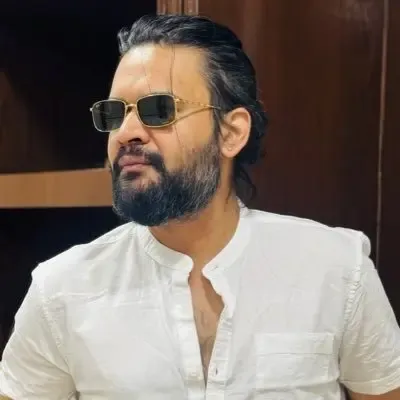
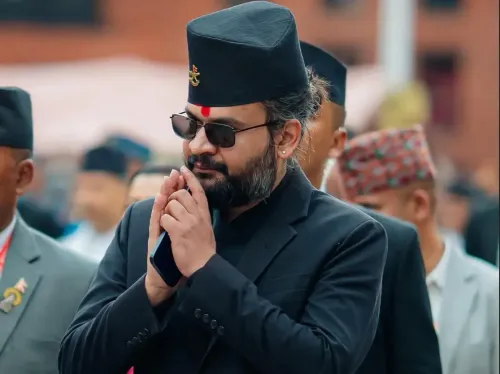
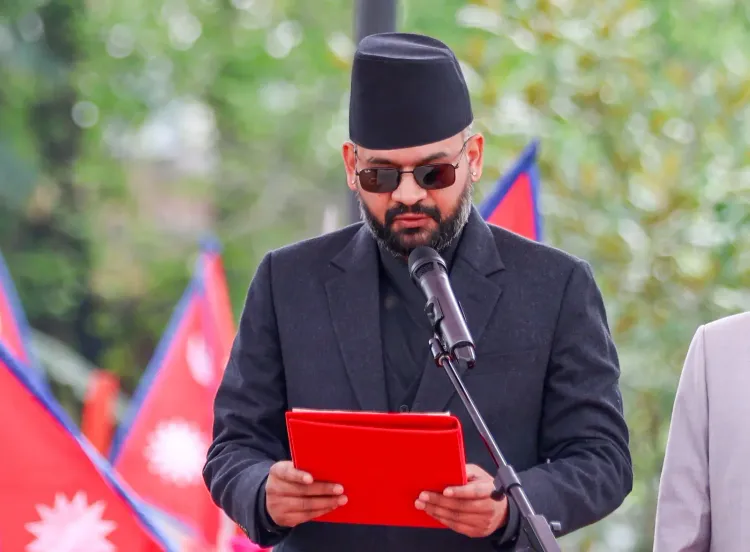
Nepal's PM Balen Shah — the engineer-turned-rapper who unseated a former PM in his own stronghold — has not addressed Parliament once in nearly two months in office, reportedly declined meetings with India's Foreign Secretary and a US envoy, and walked out of a presidential address. The man who ran on transparency is now being accused of evading the very accountability he promised.
Key Takeaways
Nepal PM Balendra Shah has not addressed the House of Representatives since taking office in late March 2026 — nearly two months into his tenure.
House Speaker Dol Prasad Aryal met Shah last week to request his parliamentary appearance; Shah reportedly said he would come at an 'appropriate time.' Shah reportedly walked out midway through President Ram Chandra Poudel 's policy address, drawing immediate backlash.
He reportedly declined separate meetings with India's Foreign Secretary Vikram Misri and US special envoy Sergio Gor .
Opposition leaders have urged the Speaker to compel the PM and ministers to attend Parliament, citing a monthly question-and-answer convention Shah has not observed.
Government allies defend the absence, saying ministers can respond on the PM's behalf under parliamentary rules.
Nepal Prime Minister Balendra Shah, popularly known as Balen, has not addressed the House of Representatives even once since assuming office in late March 2026 — nearly two months into his tenure — triggering a growing parliamentary crisis in Kathmandu. The absence has fuelled Opposition protests, political debates, and pointed accusations that the country's newest leader is sidestepping democratic accountability.
A Pattern of Elusiveness
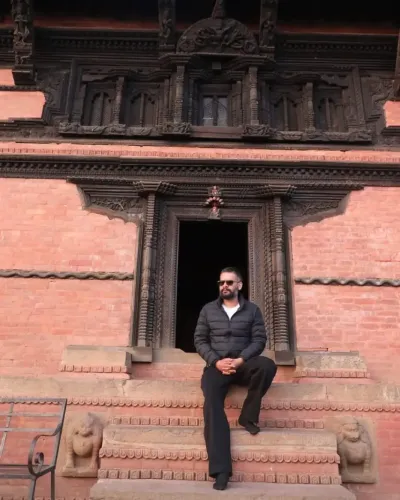
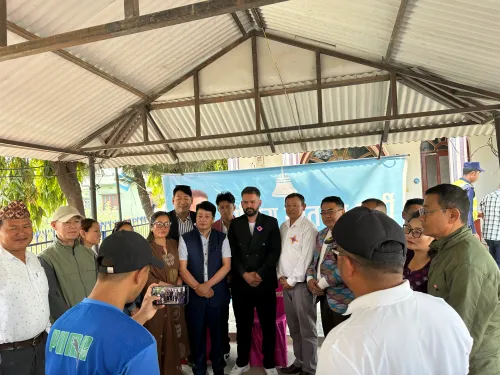
Shah's distance from public engagement is not new. Even during the campaign ahead of Nepal's March 5 election, the Rastriya Swatantra Party (RSP)'s prime ministerial face remained largely inaccessible to supporters and media alike — including in his own constituency of Jhapa-5. His itinerary was often undisclosed until he was already on the road, frequently driving an SUV himself. Public interactions were mostly limited to roadside selfies, a wave, or a brief gesture.
That image of the private, reclusive engineer-turned-rapper who rose to become Kathmandu's first independent Mayor before contesting and defeating former Prime Minister K.P. Sharma Oli in Oli's own stronghold of Jhapa-5 — has followed him into the highest office in Nepal.
Parliament Left Waiting
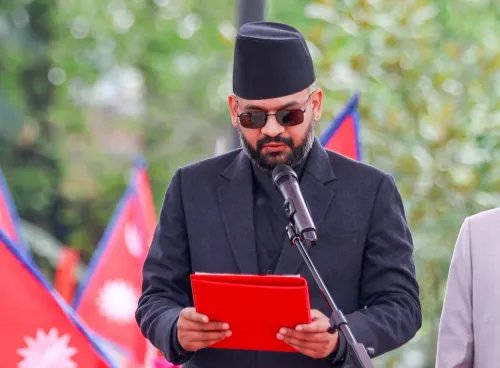
Lawmakers across party lines have reportedly raised concerns over Shah's continued absence from parliamentary proceedings. According to media reports, he walked out midway through President Ram Chandra Poudel's presentation of the government's policy and programme earlier this week, drawing immediate backlash.
House Speaker Dol Prasad Aryal met Shah last week to personally request his presence in Parliament. Shah reportedly responded that he would appear at an 'appropriate time' — a formulation that has done little to pacify critics. He has also been reported to have declined separate meetings with India's Foreign Secretary Vikram Misri and United States special envoy Sergio Gor, intensifying diplomatic concerns.
Opposition Demands, Government Defends
Opposition leaders argue that a Prime Minister who refuses to face Parliament is in breach of basic democratic norms. They have urged Speaker Aryal to direct Shah and his ministers to attend sessions regularly, pointing out that parliamentary practice mandates question-and-answer exchanges with lawmakers during the first week of every month — a convention Shah has reportedly not observed since taking office.
Government allies, however, have defended the absence, citing parliamentary rules that permit ministers to respond on behalf of the head of government. They accuse the Opposition of attempting to 'corner the government before it settles into office.'
The Contradiction at the Heart of His Mandate
Shah entered politics on an explicit promise of transparency and direct public engagement — a direct challenge to Nepal's entrenched political culture. Critics now argue that his conduct in office contradicts that founding pledge. He is said to be attending to work at the Office of the Prime Minister and Council of Ministers in Singha Durbar, Kathmandu, but has made clear he will not appear in Parliament 'immediately.'
This comes amid a broader test of whether RSP's anti-establishment appeal can survive the institutional demands of governance. As long as Shah delivers on his core promises, analysts suggest he may retain his outsider-hero image — but the parliamentary standoff is shaping up as an early stress test of his democratic credentials.
Point of View
Yet has reportedly declined to face lawmakers, foreign diplomats, and a presidential address in the same fortnight. The Opposition's critique is legitimate on democratic grounds, but there is also a risk of overreach: if Shah delivers visible governance results, the 'hero' narrative may absorb the criticism. The real question is whether Nepal's parliamentary norms have enough structural enforcement to compel compliance — or whether a popular outsider can simply wait out the pressure.
NationPress
23 Sept 2026
Frequently Asked Questions
Why has Nepal PM Balen Shah not addressed Parliament?
Nepal Prime Minister Balendra Shah has not publicly addressed the House of Representatives since taking office in late March 2026. He has reportedly told House Speaker Dol Prasad Aryal that he will appear at an 'appropriate time,' without specifying when.
Who is Balen Shah and how did he become Nepal's Prime Minister?
Balendra Shah, known as Balen, is an engineer-turned-rapper who first made headlines as Kathmandu's first independent Mayor. He subsequently joined the Rastriya Swatantra Party (RSP) and won the Jhapa-5 parliamentary seat against former Prime Minister K.P. Sharma Oli, eventually taking office as Prime Minister in late March 2026.
What are Nepal's Opposition parties demanding?
Opposition leaders have urged House Speaker Dol Prasad Aryal to direct Prime Minister Shah and his ministers to attend Parliament regularly. They cite a parliamentary convention requiring question-and-answer sessions with lawmakers during the first week of every month, which Shah has reportedly not observed since assuming office.
Did Balen Shah decline meetings with foreign diplomats?
According to media reports, Shah declined separate meeting requests from India's Foreign Secretary Vikram Misri and United States special envoy Sergio Gor, intensifying debates about his approach to diplomatic engagement in the early weeks of his tenure.
How has the government responded to criticism of Shah's absence?
Government allies have defended Shah's parliamentary absence by citing rules that allow ministers to respond on behalf of the Prime Minister. They have accused the Opposition of attempting to destabilise the government before it has had time to settle into office.