Rijiju Thanks Saudi Hajj Minister After Welcome Dinner
Synopsis
Union Minister Kiren Rijiju thanked Saudi Arabia's Hajj and Umrah Minister Dr. Tawfiq Al Rabiah for a welcome dinner in the Kingdom, with MEA, Ministry of Minority Affairs, and Indian missions all tagged — underlining the institutional depth of India's annual Hajj diplomacy.
Key Takeaways
Kiren Rijiju , Union Minister of Parliamentary Affairs and Minority Affairs, attended a welcome dinner hosted by Dr.
Tawfiq bin Fawzan Al Rabiah , Saudi Minister of Hajj and Umrah, on 8 November 2026 .
The Ministry of External Affairs, Ministry of Minority Affairs, CGI Jeddah, and Indian Embassy Riyadh were all tagged, reflecting full institutional coordination.
India and Saudi Arabia maintain periodic Hajj MoUs governing pilgrim quotas and consular welfare arrangements, negotiated through the Ministry of Minority Affairs.
Al Rabiah is the key Saudi official overseeing pilgrimage logistics for all national contingents, making this bilateral contact operationally significant.
The next Hajj quota negotiation round will be the concrete measure of outcomes from this ministerial engagement.
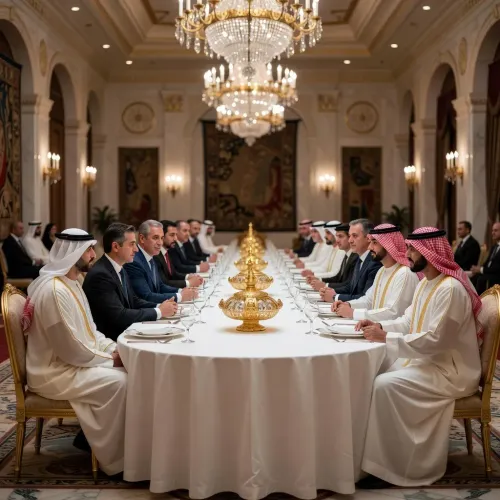
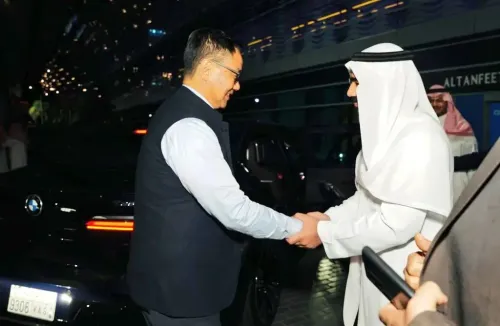
Religious diplomacy and bilateral warmth were on the menu in Saudi Arabia as Union Minister of Parliamentary Affairs and Minority Affairs Kiren Rijiju expressed gratitude to Dr. Tawfiq bin Fawzan Al Rabiah, Saudi Arabia's Minister of Hajj and Umrah, for hosting a welcome dinner reception — a signal that India-Saudi engagement on pilgrim welfare is very much alive at the ministerial level.
A Dinner That Carries Diplomatic Weight
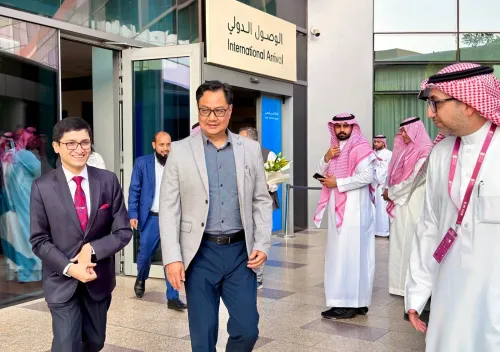
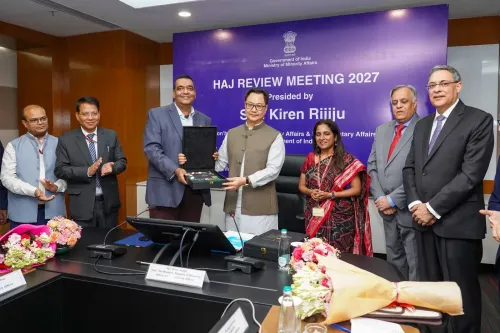
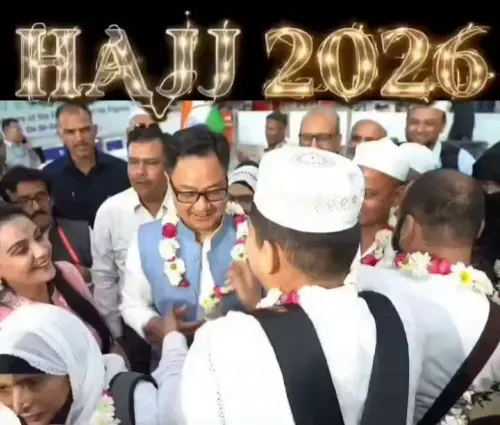
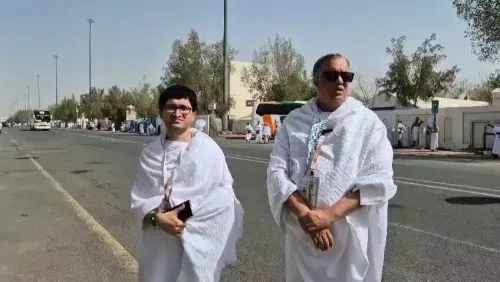
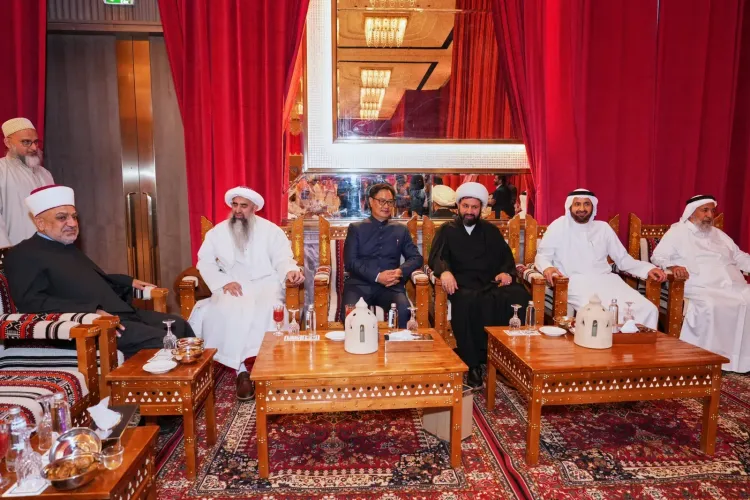
Rijiju posted his thanks on 8 November 2026, tagging the Ministry of External Affairs, the Ministry of Minority Affairs, the Consulate General of India in Jeddah, and the Indian Embassy in Riyadh — the full institutional architecture that underpins India's Hajj diplomacy. The eight photographs shared with the post underscored the formal, high-protocol nature of the occasion.
Dr. Al Rabiah is the central Saudi figure in managing pilgrimage logistics for millions of Muslims worldwide. For India — which sends one of the largest national contingents to Mecca each year under a bilateral Hajj quota agreement — keeping this channel warm is not ceremonial. It is operational.
India's Hajj MoU and What Ministerial Visits Actually Do
India and Saudi Arabia renew Hajj Memoranda of Understanding periodically, with the Ministry of Minority Affairs leading negotiations on pilgrim quotas, consular support, and welfare arrangements. Ministerial-level visits like this one serve a practical purpose: they give both sides the room to discuss on-ground concerns — accommodation, health facilities, embarkation points — that formal paperwork alone cannot resolve.
For Rijiju, who holds the Minority Affairs portfolio, this visit places him squarely at the intersection of religious welfare and foreign policy. The involvement of both the MEA and the Indian Embassy in Riyadh alongside the CGI Jeddah reflects the layered diplomatic coordination that every Hajj season demands.
India-Saudi ties run far deeper than pilgrim logistics — the Kingdom is a major energy supplier and a significant destination for the Indian diaspora — but it is the annual rhythm of Hajj that keeps ministerial contacts between the two countries uniquely personal and recurring.
The next round of Hajj quota negotiations will be the real test of what goodwill built over dinners like this one can deliver for Indian pilgrims on the ground in Mecca.
Point of View
Not a courtesy call. For the BJP government, which has sought to reframe its Minority Affairs record, visible engagement on Hajj welfare at the highest bilateral level carries domestic political utility alongside its genuine diplomatic function. The tagging of four separate Indian diplomatic and ministerial handles signals that this visit was coordinated across the full machinery of government, not a solo trip. Watch whether a follow-up visit by Saudi Hajj officials to New Delhi — or a freshly signed MoU — materialises in the months ahead.
NationPress
8 Nov 2026
Frequently Asked Questions
Why did Kiren Rijiju visit Saudi Arabia's Hajj Minister?
Rijiju, as India's Union Minister of Minority Affairs, met Saudi Hajj and Umrah Minister Dr. Tawfiq Al Rabiah to maintain bilateral ties crucial for managing India's annual Hajj pilgrim quota and welfare arrangements.
What is the India-Saudi Hajj MoU?
India and Saudi Arabia periodically sign Memoranda of Understanding that set the number of Indian pilgrims permitted for Hajj each year, along with consular support and welfare provisions, coordinated by India's Ministry of Minority Affairs.
Who is Dr. Tawfiq bin Fawzan Al Rabiah?
Dr. Tawfiq bin Fawzan Al Rabiah is the Saudi Arabian Minister of Hajj and Umrah, responsible for overseeing pilgrimage logistics and bilateral arrangements with countries that send large pilgrim contingents, including India.
What is Kiren Rijiju's role in Hajj affairs?
As Union Minister of Minority Affairs, Rijiju's ministry leads India's Hajj policy, including quota negotiations, pilgrim welfare, and coordination with Saudi authorities and Indian diplomatic missions in the Kingdom.
What is the significance of India-Saudi relations for Indian Muslims?
Saudi Arabia hosts the two holiest sites in Islam and receives one of the world's largest Hajj contingents from India each year; the bilateral relationship directly determines the number of visas, welfare support, and facilities available to Indian Muslim pilgrims.