Rijiju Meets Saudi Hajj Minister, Reaffirms India's Pilgrim Commitment
Synopsis
Union Minister Kiren Rijiju attended an official dinner reception hosted by Saudi Arabia's Hajj and Umrah Minister Dr. Tawfiq Al Rabiah in November 2026, reaffirming India's commitment to Haj pilgrim welfare and bilateral cooperation between New Delhi and Riyadh on religious tourism.
Key Takeaways
Kiren Rijiju , Union Minister of Parliamentary Affairs and Minority Affairs, attended an official dinner reception hosted by Saudi Arabia's Minister of Hajj and Umrah, Dr.
Tawfiq bin Fawzan Al Rabiah , on 8 November 2026 .
The engagement focused on reaffirming both countries' commitment to serving Haj pilgrims and enhancing the overall pilgrimage experience.
India and Saudi Arabia have maintained formal Haj coordination mechanisms since the 1950s , with periodic MoU renewals covering quotas, logistics, and pilgrim welfare.
The Haj Committee of India , under the Ministry of Minority Affairs, is the statutory body managing Indian pilgrims' travel and on-ground services in Saudi Arabia.
The visit involved coordination across the Ministry of External Affairs , Ministry of Minority Affairs , the Consulate General of India in Jeddah , and the Indian Embassy in Riyadh .
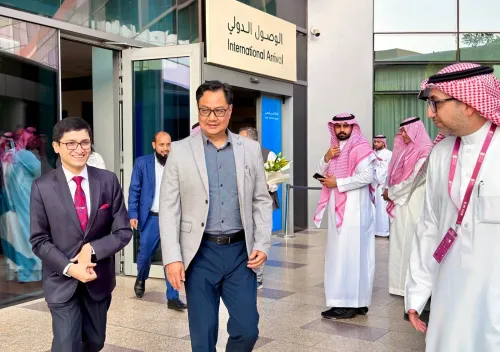
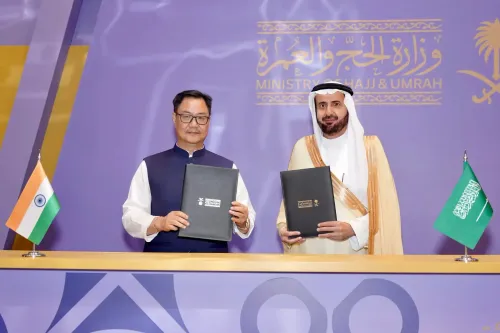
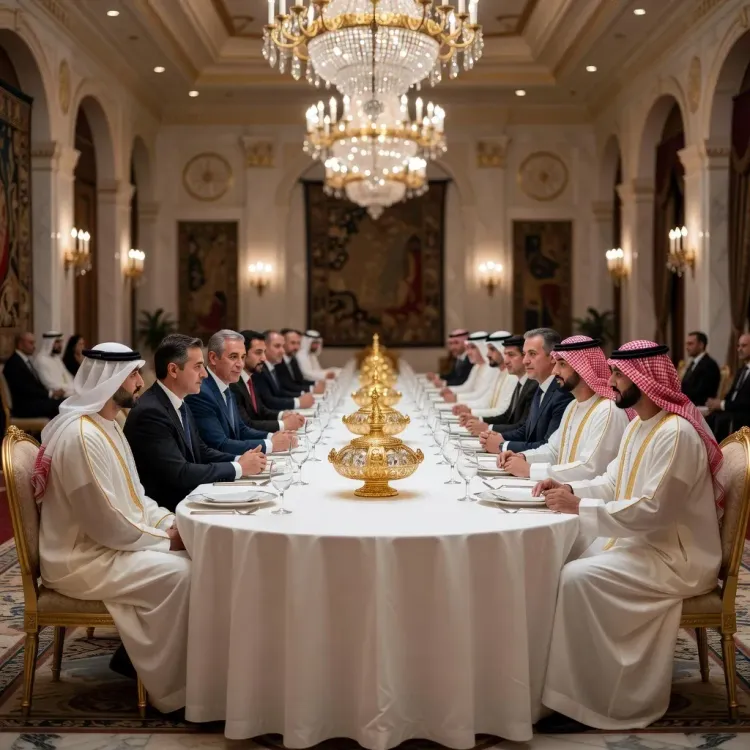
At a formal dinner in the Kingdom of Saudi Arabia, Union Minister of Parliamentary Affairs and Minority Affairs Kiren Rijiju sat across the table from H.E. Dr. Tawfiq bin Fawzan Al Rabiah, Saudi Arabia's Minister of Hajj and Umrah — a meeting that cuts to the heart of one of India's most consequential bilateral obligations: getting hundreds of thousands of pilgrims safely to the holy sites and back every year.
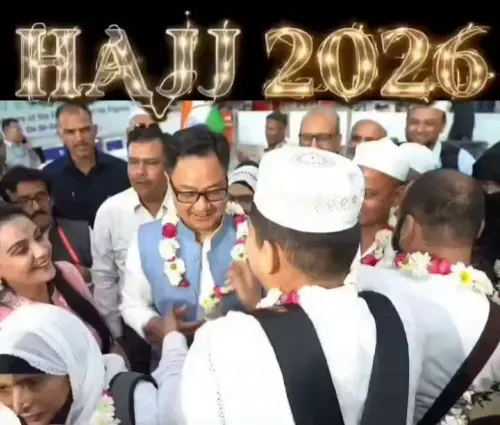
Rijiju shared the moment on Sunday, 8 November 2026, posting photographs from the official dinner reception and noting the engagement with dignitaries was aimed at 'reaffirming our shared commitment to serving pilgrims and enhancing the Haj experience.' The Ministry of External Affairs, Ministry of Minority Affairs, the Consulate General of India in Jeddah, and the Indian Embassy in Riyadh were all tagged — a signal that this was coordinated diplomacy, not a courtesy call.
Decades of Haj Diplomacy Behind One Dinner
The India-Saudi Haj relationship is one of the oldest and most logistically complex bilateral arrangements in the region. Formal coordination mechanisms date to the 1950s, with Memoranda of Understanding renewed periodically to manage pilgrim quotas, visa facilitation, accommodation near the Masjid al-Haram, and emergency consular services. India consistently ranks among the largest sending nations for Haj pilgrims globally.
The Haj Committee of India, the statutory body that manages travel and on-ground services for Indian pilgrims, operates under the Ministry of Minority Affairs — making Rijiju's portfolio directly relevant to every dimension of this engagement. When the minister meets his Saudi counterpart, the conversation spans airlifts, accommodation blocks in Makkah and Madinah, healthcare coordination, and the welfare of elderly or first-time pilgrims navigating one of the world's largest annual human gatherings.
India's Broader Gulf Engagement in Play
This visit fits a wider pattern. India has deepened its strategic partnership with the Gulf Cooperation Council states across energy, trade, and security in recent years, and high-level religious-tourism diplomacy has become a consistent thread running through that broader relationship. For Saudi Arabia, managing millions of international pilgrims is both a matter of national prestige and a complex logistical undertaking — making a well-functioning bilateral mechanism with a country of India's scale a shared priority for both governments.
The Ministry of External Affairs' involvement alongside the Ministry of Minority Affairs underlines that Haj coordination is treated as genuine foreign policy, not just administrative housekeeping. Each Haj season brings fresh operational challenges — crowd management upgrades at holy sites, shifting quota negotiations, and evolving digital systems for pilgrim registration — all of which require year-round diplomatic groundwork of exactly this kind.
What comes out of these conversations in the weeks ahead — updated quota figures, new facility agreements, or enhanced consular arrangements for the next Haj season — will determine whether November's dinner translates into a better experience for the lakhs of Indians who make the journey every year.
Point of View
Ministerial-level coordination that keeps the world's largest Haj delegations running smoothly. It reflects the BJP government's sustained effort to visibly champion pilgrim welfare as a core minority-affairs priority, lending political salience to what is fundamentally a logistical exercise. The dual-ministry presence of MEA and Minority Affairs signals that New Delhi treats Haj cooperation as foreign policy with domestic consequence. With each Haj season raising the operational bar on crowd management and digital services, these bilateral conversations have become more substantive — and more watched — than their ceremonial surface suggests.
NationPress
8 Nov 2026
Frequently Asked Questions
Why did Kiren Rijiju visit Saudi Arabia in November 2026?
Rijiju attended an official dinner reception hosted by Saudi Arabia's Minister of Hajj and Umrah, Dr. Tawfiq Al Rabiah, as part of bilateral diplomatic engagement focused on Haj pilgrim welfare and cooperation between India and Saudi Arabia.
What is India's Haj Committee and what does it do?
The Haj Committee of India is a statutory body under the Ministry of Minority Affairs that manages travel arrangements, on-ground logistics, and welfare services for Indian pilgrims undertaking the Haj journey to Saudi Arabia each year.
How long have India and Saudi Arabia been cooperating on Haj pilgrimages?
India and Saudi Arabia have maintained formal Haj coordination mechanisms since the 1950s, with bilateral arrangements — including Memoranda of Understanding — renewed periodically to manage pilgrim quotas, visas, accommodation and emergency services.
Which Indian ministries are involved in Haj coordination with Saudi Arabia?
The Ministry of Minority Affairs is the primary nodal ministry, working alongside the Ministry of External Affairs and Indian diplomatic missions in Jeddah and Riyadh to manage all aspects of Haj pilgrim coordination with Saudi Arabia.
What could come out of Rijiju's meeting with the Saudi Hajj Minister?
Such engagements typically lay the groundwork for updated pilgrim quota agreements, improved facilities at holy sites, enhanced visa facilitation, and better consular support for Indian Haj pilgrims in the upcoming season — though specific outcomes from this November 2026 dinner are not yet confirmed.