Rijiju Chairs Haj Review Meet for 2026, Plans 2027 Roadmap
Synopsis
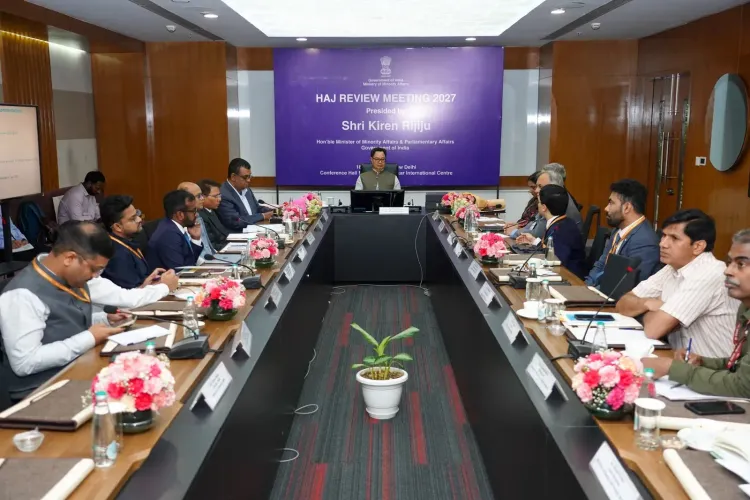
Union Minister Kiren Rijiju chaired a multi-ministry Haj Review Meeting in New Delhi on 18 June 2026, bringing together diplomats, ministry secretaries and Haj Committee officials to review Haj 2026 and set the administrative roadmap for Haj 2027.
Key Takeaways
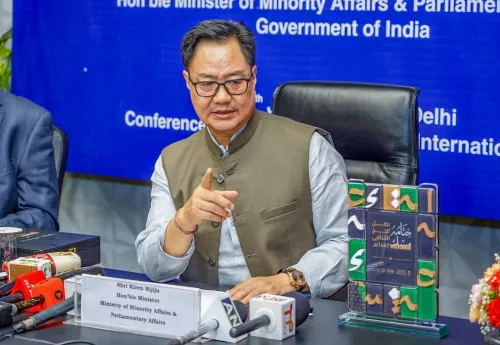
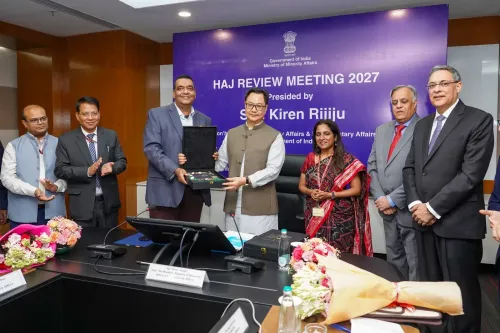
Union Minister Kiren Rijiju chaired the Haj Review Meeting at Dr.
Ambedkar International Centre, New Delhi on 18 June 2026 .
The meeting reviewed the conduct of Haj 2026 and deliberated on the roadmap for Haj 2027 .
Six central ministries were represented, including Minority Affairs, External Affairs, Civil Aviation, Home Affairs, and Health.
India's Ambassador to Saudi Arabia and the Consul General in Jeddah participated, reflecting the bilateral diplomatic dimension of Haj management.
The Haj Committee of India , constituted under the Haj Committee Act, 2002 , was represented by its CEO Shri Shanavas C.
State Haj Committees also attended, channelling ground-level feedback into the national planning process.
Union Parliamentary Affairs and Minority Affairs Minister Kiren Rijiju chaired a high-level Haj Review Meeting at Dr. Ambedkar International Centre, New Delhi, on Thursday, 18 June 2026, to assess the conduct of Haj 2026 and chart a roadmap for Haj 2027.
Context
The meeting brought together senior officials from six central ministries and diplomatic missions in Saudi Arabia. Attendees included Dr. Srivatsa Krishna, Secretary of the Ministry of Minority Affairs; Smt. Sripriya Ranganathan, Secretary (CPV & OIA) at the Ministry of External Affairs; Dr. Suhel Ajaz Khan, Ambassador of India to the Kingdom of Saudi Arabia based in Riyadh; and Shri Fahad Ahmed Khan Suri, Consul General of India in Jeddah. Shri Shanavas C., Chief Executive Officer of the Haj Committee of India, also participated, along with representatives of State Haj Committees.
The Ministry of Civil Aviation (@MoCA_GoI), the Ministry of Home Affairs (@HMOIndia), and the Ministry of Health and Family Welfare (@MoHFW_INDIA) were also represented, reflecting the breadth of inter-agency coordination that India's annual Haj management demands.
Policy Backdrop
India's Haj management is anchored in the Haj Committee Act, 2002, which established the Haj Committee of India as a statutory body responsible for pilgrim registration, pre-departure training, and on-ground logistics. The Ministry of Minority Affairs serves as the nodal ministry, while the Ministry of External Affairs handles bilateral agreements with Saudi Arabia and manages consular support through the Indian Embassy in Riyadh and the Consulate General in Jeddah.
In 2018, the central government ended the Haj subsidy following Supreme Court directions, redirecting those funds toward minority education and welfare programmes. Since then, administrative efficiency, health preparedness, and digital application processes have become the primary levers of policy improvement in annual Haj planning cycles.
Stakeholders and Impact
Hundreds of thousands of Indian Muslims undertake the Haj pilgrimage each year, with Saudi Arabia allocating a national quota to India under a formal bilateral agreement. State Haj Committees across the country serve as the primary interface for pilgrims, handling registrations and coordinating with the central body. Their representation at the 18 June review signals an effort to incorporate ground-level feedback from the 2026 season into planning for the next year.
The Ministry of Civil Aviation's involvement is critical given that chartered and scheduled flights form the backbone of pilgrim transportation. Health ministry participation addresses mandatory medical screening protocols and emergency preparedness requirements set by Saudi authorities.
What's Next
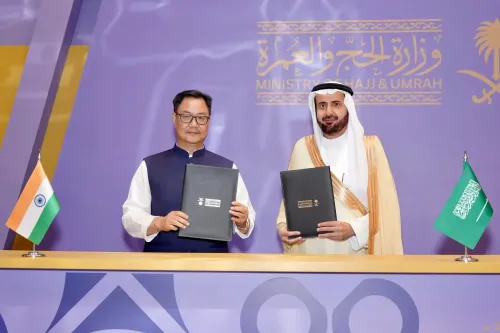
The immediate output expected from such review cycles is a revised set of Haj guidelines for the 2027 season, potentially covering changes in pilgrim quotas, updated health protocols, and improvements to the digital application process. A fresh India-Saudi Haj agreement — renewed annually — will also be a key diplomatic deliverable in the months ahead. Minister Rijiju's direct chairmanship of the review underscores the government's intent to keep Haj administration at the level of ministerial accountability, with any revised framework expected to be announced well ahead of the 2027 registration window.
Point of View
When published, will be a concrete test of whether that administrative ambition translates into measurable improvements for pilgrims.
NationPress
19 Sept 2026
Frequently Asked Questions
What was decided at the Haj Review Meeting on 18 June 2026?
The meeting was held to review the conduct of Haj 2026 and deliberate on the roadmap for Haj 2027. Specific decisions from the meeting have not been publicly announced yet.
Who chaired the Haj 2026 review meeting in New Delhi?
Union Minister for Minority Affairs Kiren Rijiju chaired the Haj Review Meeting held at Dr. Ambedkar International Centre, New Delhi, on 18 June 2026.
Which ministries were part of the Haj Review Meeting?
The Ministries of Minority Affairs, External Affairs, Civil Aviation, Home Affairs, and Health and Family Welfare were represented, along with the Haj Committee of India and State Haj Committees.
When will Haj 2027 registration begin in India?
The registration window for Haj 2027 has not been officially announced. The roadmap being prepared from this review is expected to be published ahead of the registration period.
What is the role of the Haj Committee of India?
The Haj Committee of India is a statutory body established under the Haj Committee Act, 2002. It manages pilgrim registration, pre-departure training, and logistical coordination for Indian Muslims undertaking the Haj pilgrimage.